
Group Lead, Ved Krishna
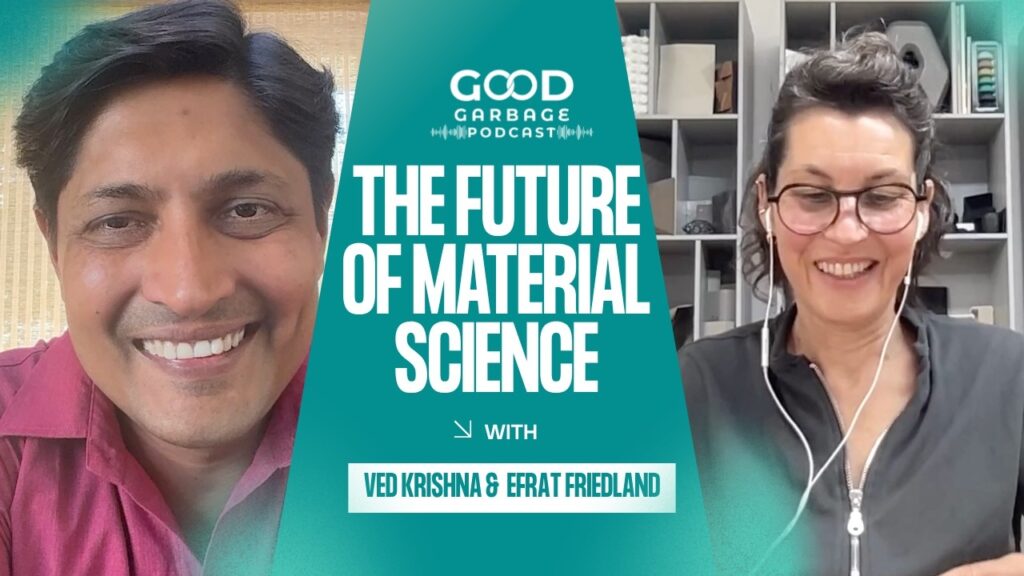
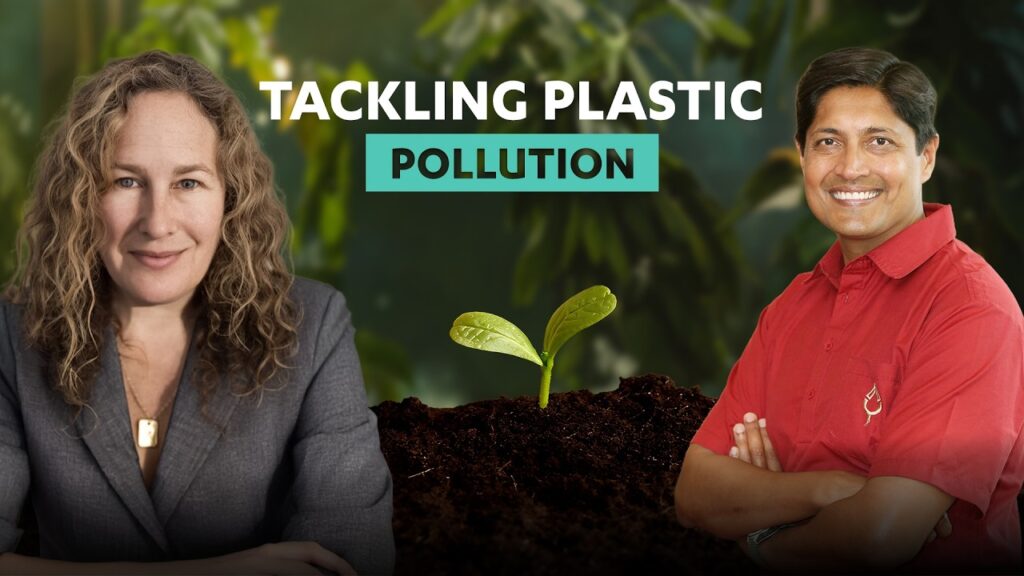
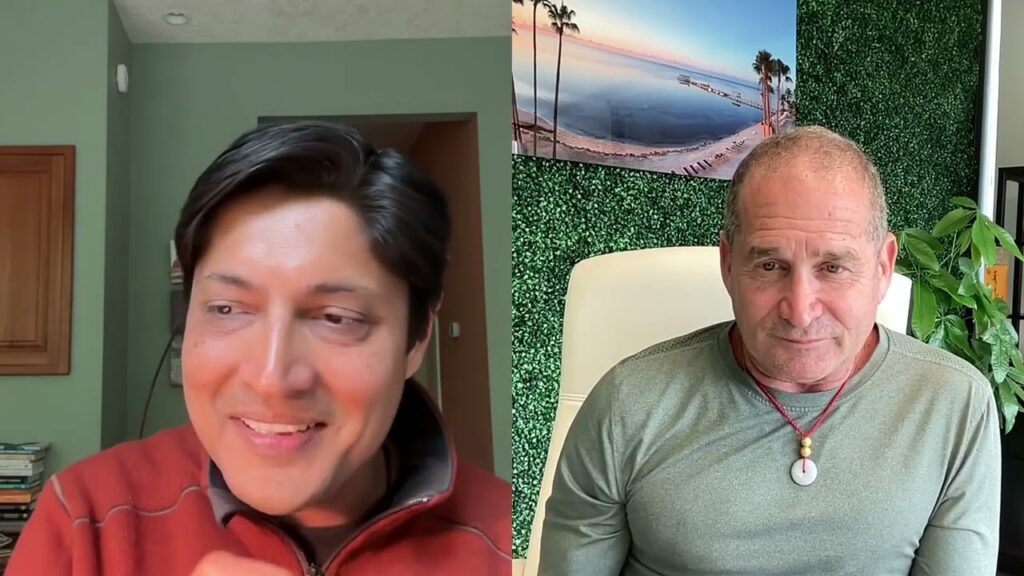
Hello, hello! Ved sits down with Efrat Friedland, founder of materialscout and co-founder of Positive Plastics, who has built a career telling designers there is no such thing as a sustainable material. They get into why “100% recyclable” is both true and meaningless, the difference between bioplastics and biopolymers, the EU legislating a right to repair, and what AI might realistically do for materials innovation.


00:00 – Intro
Cold open on Efrat’s retort that she is also 100 percent recyclable, cut with her lines on greenwashing, unnecessary products, and her claim that plastic is a system problem rather than a materials problem.
02:05 – From art to a materials career
Efrat painted and sculpted from the age of nine but ruled out art as impractical. She first heard the term industrial design at around twenty and took it as the mix of creativity and problem solving she wanted, with nobody in her family of teachers and psychologists having gone that way.
16:16 – What Material Scout does
Four years inside a global design agency showed her that designers know very little about materials, and that the question of what a product would be made from often surfaced five minutes before the final client presentation. Material Scout is her attempt to move that question to the start of the process.
22:57 – Why no material is truly sustainable
Architects and designers kept walking into her materials library asking to see the sustainable materials, and she kept having to tell them none exist. Bamboo can grow a metre an hour, but ship it to Europe and dip it in resin and the argument collapses.
29:40 – Greenwashing exposed: "100% recyclable"
A client panicked over a competitor’s packaging claiming 100 percent recyclable. Efrat stood up and pointed out that she is also 100 percent recyclable: the claim was true, said nothing about recycled content, and the whole room had misread it.
33:56 – Longevity and take-back systems
Efrat would rather work on medical products that last than on packaging, arguing the market is already saturated and packaging is short-lived by design. Ved pushes on how you sell longevity to industries whose revenue depends on replacement.
40:05 – The right to repair
Ved’s composter failed at the motor and the manufacturer offered only a replacement at twenty percent off. Efrat says she used to fear that pattern alone, and now has EU repairability legislation backing the same argument.
44:15 – Inside Positive Plastics
Positive Plastics began over pizza and wine at the K fair in Dusseldorf in 2019, when three material specialists noticed designers were being told by marketing to avoid plastic entirely. Their position is that there are no good or bad materials, only a broken system.
49:58 – Bioplastic vs biopolymer vs compostable
Efrat separates three terms that get used interchangeably. Biopolymers are built and broken down by bacteria and enzymes and are costly enough to belong in drug delivery, bioplastics are ordinary plastics sourced from corn starch or sugarcane, and biocomposites blend materials that never chemically bond.
56:13 – Fossil fuels, downcycling and e-waste
Plant-based plastics still cannot handle the temperatures and pressures that engineered fossil plastics survive in planes and rockets, so Efrat resists blanket substitution and turns to where the volume problem actually sits.
70:55 – AI and the future of materials
She is following AI-led material formulation closely but cannot yet name a physical material it produced. With roughly 90,000 plastic grades commercially available, she argues the real work is filtering that portfolio rather than adding to it.
Explore More Episodes
Let’s come together!