
Group Lead, Ved Krishna
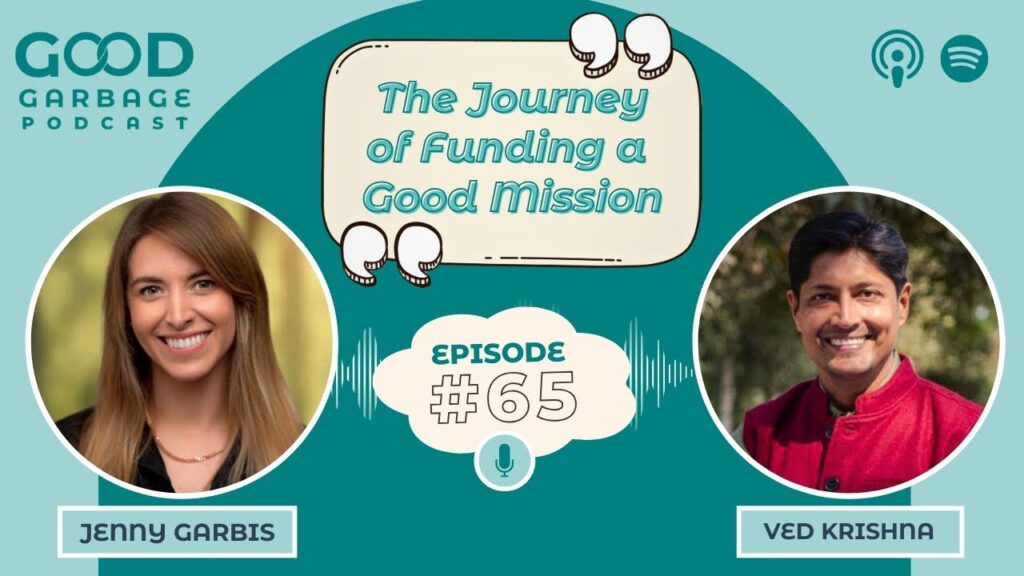
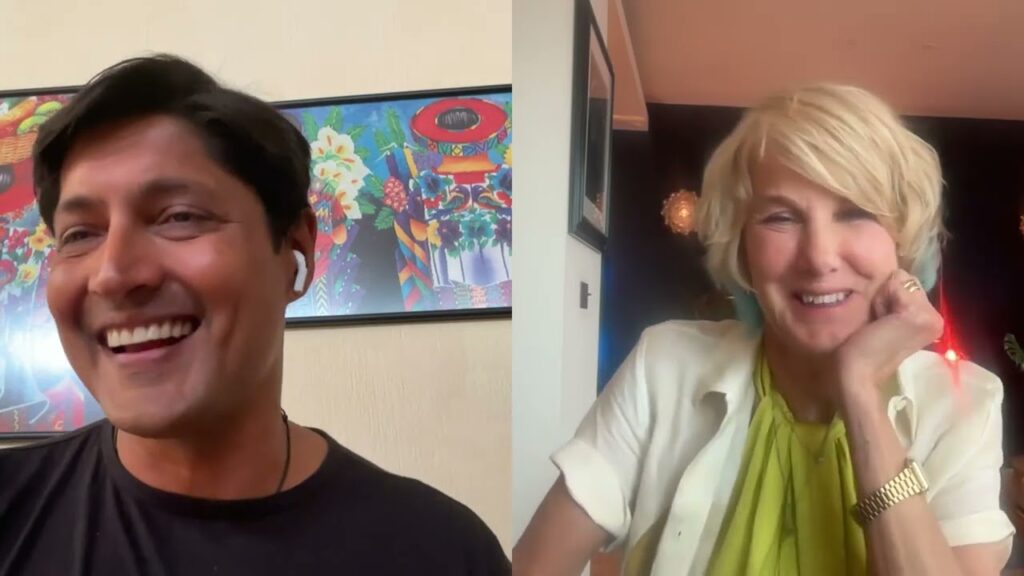
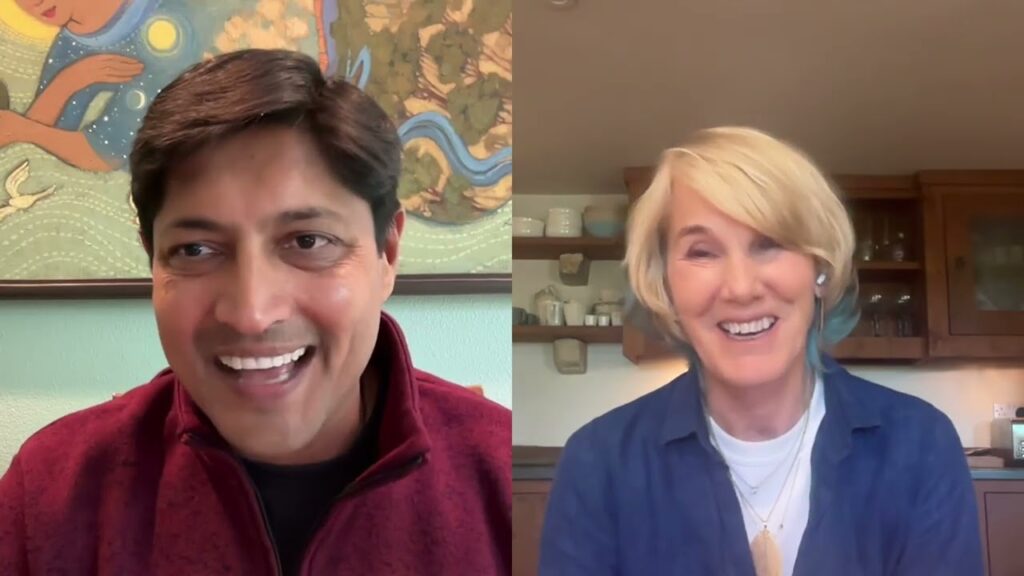
She calls herself an energy ball who helps propel businesses to the next stage and we couldn’t agree more! Our guest for this episode, Jenny Garbis, is a Business Consultant, Growth Marketer, PR person, Lead Generator and more all rolled into one ☄️💥 The utopian idea of an ethical future as her mot


0:00 – Introduction to Mission Good and the Funding Gap in Sustainability
Jenny Garvis, founder of Mission Good, works at the point where sustainability founders and purpose-aligned investors meet. She explains what that gap looks like and why the capital markets have been slow to catch up with the founders trying to build in this space.
10:00 – Psychology, Identity, and the Entrepreneurial Mindset
Jenny draws on behavioural science to explain how founders’ psychology and self-concept shape the way they approach fundraising. The practical implication: understanding why you make certain decisions under pressure is as useful as knowing how to write a pitch deck.
20:00 – From Tech Startups to Climate Ventures
Jenny has worked across scalable tech startups and mission-driven climate ventures. She explains what transfers between those worlds when thinking about growth and capital, and where the assumptions that work in tech simply don’t apply to sustainable packaging or materials companies.
30:00 – How Investors Find Founders and How Founders Get Found
Getting in front of the right investor is harder than the pitch itself. Jenny explains the community-based strategies and visibility approaches that give sustainability founders the best shot at being found by investors who are actually aligned with what they’re building.
41:00 – What Investors Actually Want to See
Investors want traction and they want the valuation to make sense. Jenny explains what traction means at different stages for a sustainability startup, and why founders who understand valuation discipline get further in conversations than those who don’t.
51:00 – Starting with Friends, Family, and the People Who Trust You
The fastest path to first capital usually runs through people who already trust you. Jenny explains the friends-and-family round, how to structure it in a way that’s fair, and why the emotional intelligence required to raise from personal networks is real and underrated.
61:00 – The State of Climate Tech Funding in 2024
Climate tech funding is growing, but it’s concentrated in energy and carbon. Jenny explains what the funding landscape looks like for sustainable packaging specifically and what founders in this space need to do differently to get attention from investors who have a lot of options.
71:00 – B Corps, Policy, and Procurement as Capital Levers
Jenny is working on a policy template for local councils that would encourage them to preference B Corp organisations in procurement processes. She explains how that kind of structural change could make a real difference for sustainable packaging companies without requiring a venture round.
Explore More Episodes














Let’s come together!