
Group Lead, Ved Krishna
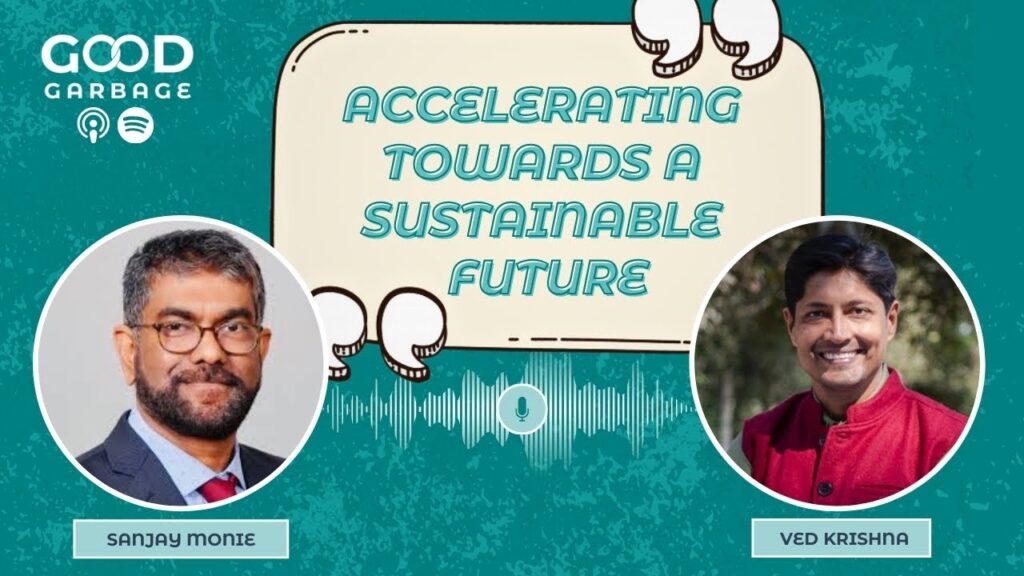
In today’s episode we welcome a dear friend and a chemistry nerd through and through – Sanjay Monie – who brings with him a treasure trove of in-depth knowledge in the field of material science! We talk about his experience of over two decades in the field of inks and coatings industry and how he


0:00 – Introduction to Chempolis and Sanjay's Story
Sanjay joins from Chempolis, a global company working in sustainable pulp, paper, and barrier materials. The conversation opens with his background in India and how he ended up building a career at the intersection of materials science and sustainability.
10:00 – From Design Sketching to Paper Science
Sanjay’s father was a wannabe architect, and that early exposure to design thinking stayed with him. He explains how sketching and visual thinking shaped his approach to materials science and why he thinks spatial intelligence gives packaging engineers an edge.
21:00 – Graphene in Paper and Pioneering Carbon Innovation
Sanjay was among the early researchers exploring graphene as a functional additive in paper materials. He explains what that work revealed about carbon-based additives in packaging and mentions, without particular vanity, that his name is now on Wikipedia’s graphene applications page.
32:00 – Carbon Blacks, Bio-Based Coatings, and the Transition
Moving from fossil-based carbon materials to bio-based alternatives is technically demanding. Sanjay explains how Chempolis is working with carbon black alternatives and bio-based coatings to deliver packaging that matches conventional performance on a lower environmental footprint.
43:00 – Chempolis's Packaging and Hygiene Solutions Portfolio
Chempolis serves packaging, hygiene, and industrial markets. Sanjay explains the scope of their product portfolio and how their Designed Biobased Technology platform enables high-barrier, compostable, food-safe applications.
53:00 – Why Barrier Performance Is the Hardest Problem in Sustainable Packaging
The barrier performance gap between conventional plastic coatings and today’s bio-based alternatives is real, and Sanjay doesn’t minimise it. He’s direct about where the science isn’t there yet and what achieving the same oxygen and moisture protection from renewable materials actually requires.
64:00 – Regulation, Consumer Expectations, and the Three-Way Push
Regulation, consumer pressure, and technology are three forces that need to align before a sustainable packaging material crosses from niche to mainstream. Sanjay explains how those three forces interact and what it takes for a material to reach the tipping point.
75:00 – Harnessing Startup Energy Inside a Global Company
Large companies can suffocate innovation with process. Sanjay talks about how Chempolis tries to stay connected to startup-style thinking, working with early-stage partners and running open innovation programmes to get promising technologies to prototype quickly.
Explore More Episodes












Let’s come together!