Group Lead, Ved Krishna
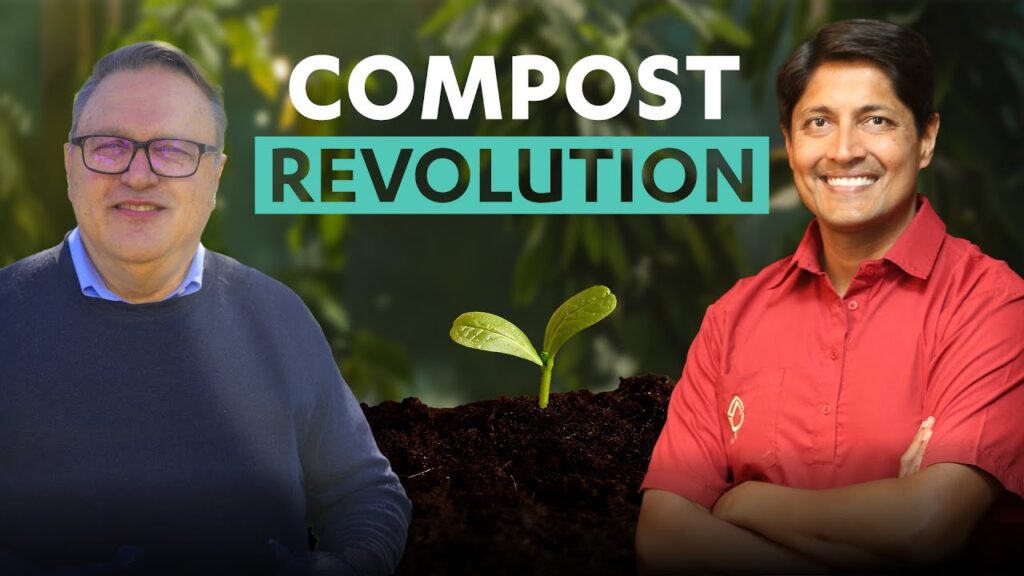
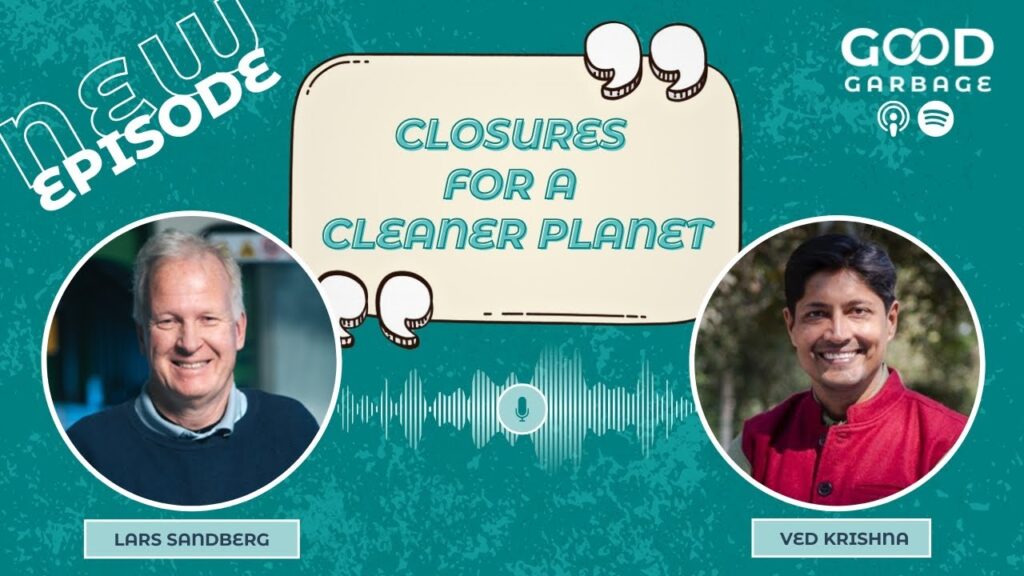
Hello, hello! We’re continuing strong in 2025 as we welcome the CEO of Blue Ocean Closures, Lars Sandberg in our second episode of this year! With a mechanical engineering background and a speciality in paper and pulp, Lars used his expertise in fibre to create cellulose bases closures. These c


0:00 – Introduction to Blue Ocean Closures and the Paper Cap
Lars, CEO of Blue Ocean Closures, is making bottle caps from paper. The challenge is real: a closure has to seal reliably, resist moisture, and survive production lines built for plastic. He opens by explaining why most people underestimate how hard closures are to innovate.
8:00 – From Mechanical Engineering to Pulp and Paper Innovation
Lars studied mechanical engineering and then entered the pulp and paper industry, which gave him a perspective that packaging specialists inside the industry often miss. He talks about how that combination made him see the closure problem differently.
16:00 – The Engineering Behind a Watertight Paper Closure
Blue Ocean Closures achieves a watertight seal from fibre using the mechanical properties of the fibres themselves, without plastic liners or adhesives. Lars explains the technical principles and why the dry-forming process is central to making it work.
24:00 – Getting Beverage Brands to Adopt an Entirely New Closure Format
Changing a closure is not a small decision for a beverage brand. It affects filling lines, quality control, and consumer experience. Lars explains how Blue Ocean builds trust with potential brand partners and what it actually takes to move from a conversation to a commercial trial.
32:00 – Manufacturing Innovation — Dry Forming Without Shrinkage
Conventional paper forming uses water, which causes shrinkage and dimensional instability. Blue Ocean Closures uses a dry process that eliminates those problems. Lars explains why this manufacturing approach matters as much as the material.
40:00 – Coca-Cola, L'Oreal, and the Pioneering Brand Partners
Coca-Cola, L’Oreal, and Absolut Vodka are among Blue Ocean’s early brand partners. Lars explains how those relationships started, what validation from those names means for a startup, and what they asked for during the development process.
48:00 – Solving the Mixed-Material Recyclability Problem
A plastic cap on a glass or cardboard bottle contaminates the primary material stream at the recycling facility. Lars explains how paper closures remove that problem and what it means for a brand’s ability to make a credible recyclability or compostability claim on the whole package.
56:00 – Scaling Up and the Investment Needed to Go Commercial
Blue Ocean Closures is preparing for commercial scale production. Lars explains the capital requirements, the manufacturing partnerships they’re building, and how he sees the competitive landscape developing as more players start looking at sustainable closure formats.
Explore More Episodes
Let’s come together!