
Group Lead, Ved Krishna
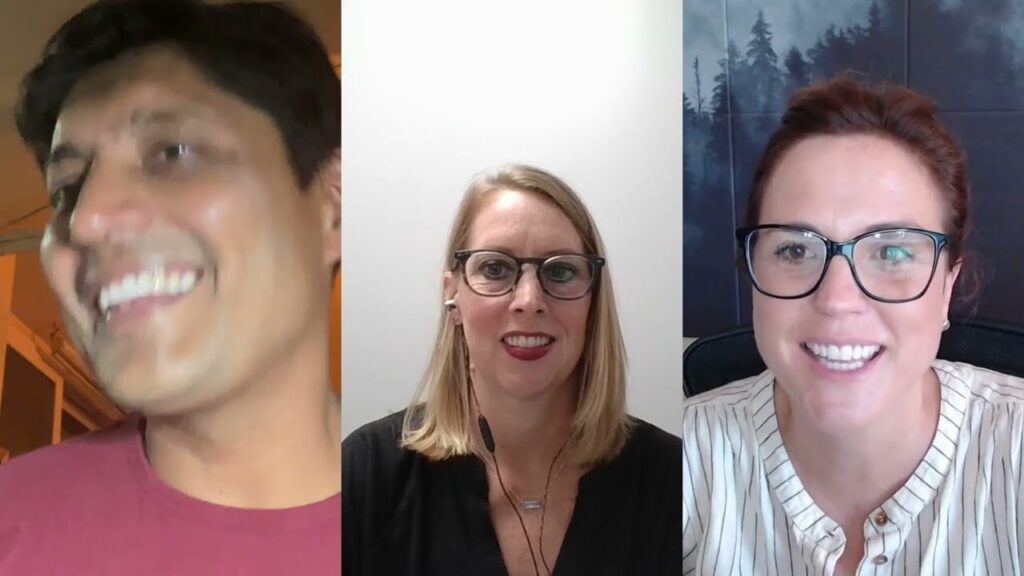
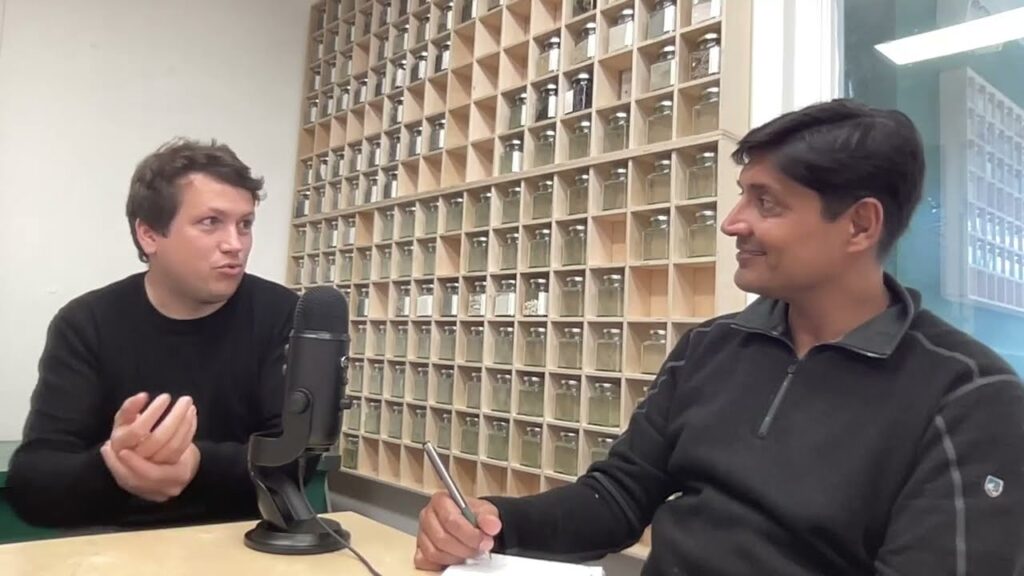
Hello, hello! Ved sits down with Anita Shah, founder and CEO of Green Stem, who spent twenty years in humanitarian work before building compostable packaging in Kenya. They get into what war zones teach you about people, turning sugarcane bagasse into tableware with a home pressure cooker and a blender, a plant that arrived with no manuals or PLC passwords, and why buyers want sustainability at plastic prices.


00:00 – Intro
Cold open on Anita’s line that Green Stem found her rather than the other way round, cut with her verdict that nobody really cares about the environment and that small-scale pulping does not work.
01:30 – From Nairobi to the UN: what war zones teach you
Anita grew up in Nairobi, fourth generation Indo-Kenyan, with beaches, savannah and the arid lands close enough that nature felt like the default setting. That grounding carried into twenty years of humanitarian work where, as she puts it, war zones show you the worst and the best of people at once.
07:30 – Yoga, Jainism and doing minimum harm
Yoga and meditation started in her late teens as philosophy reading and became the thing that kept her functional across chaotic postings. She connects the Jain principle of minimum harm to how she now thinks about materials and waste.
13:30 – Leaving aid work: turtles, plastic and the Dandora dump
After a hard posting in Lebanon spanning the Syrian refugee crisis, the Beirut port explosion and daily protests, she came home to Kenya for a planned six months. The turtles, the plastic and the Dandora dump changed the plan.
18:00 – First attempts: leaves, a dodgy machine, repulped bagasse
Her first move into moulded tableware involved a secondhand machine imported from South India that got lost at sea, one young employee and a deaf colleague. She describes starting with no manufacturing knowledge and the assumption that funding would follow a purpose-driven business.
22:30 – Building a five-tonne bagasse pulping plant in Kenya
Anita tested bagasse, wheat straw, rice husks, water hyacinth, seaweed, bamboo and banana stems using a home pressure cooker and a blender before raising money for a five-tonne pulping system, three thermoforming machines and a spray and dry line. That year of experimenting is where she ran into black liquor.
28:30 – Machinery chaos and reverse-engineering the plant
The technology partner took equity, delayed the machinery by six months, and blamed the Chinese mafia and a snowstorm. It arrived with no manuals, no pipeline drawings, no PLC passwords and nobody to commission it, so the team reverse-engineered the plant themselves.
33:00 – Small-scale pulping and black liquor recovery, explained
Ved and Anita walk through the actual pulping route: cooking, washing out the alkali, screening and refining before the machine. The recurring gap at small scale is a recovery boiler sized to bring the cooking chemicals back.
40:30 – Thermoforming and the home-compostable coating
Anita explains why she ended up with Chinese thermoforming machines built for pulp board rather than direct injection, and the parameter work needed to make them behave. The barrier properties come from a bio-based coating sprayed and cured after forming.
45:00 – The African market: pricing, power cuts and real demand
In East Africa the product is genuinely new and people are fascinated that grass becomes packaging, but Anita is blunt about the economics. Buyers want front row seats at back row prices, matching plastic on cost and rigidity, with sustainability as a reporting line rather than a reason to pay more.
64:30 – Five-year vision, and what is good garbage?
Anita’s five year picture is a fifty-tonne pulping system, thirty thermoforming machines and thirty products, with the social goal she started with intact: green jobs for women, youth and people who are differently abled, through partners including Talking Hands and Clean Start Africa.
Explore More Episodes


























Let’s come together!