
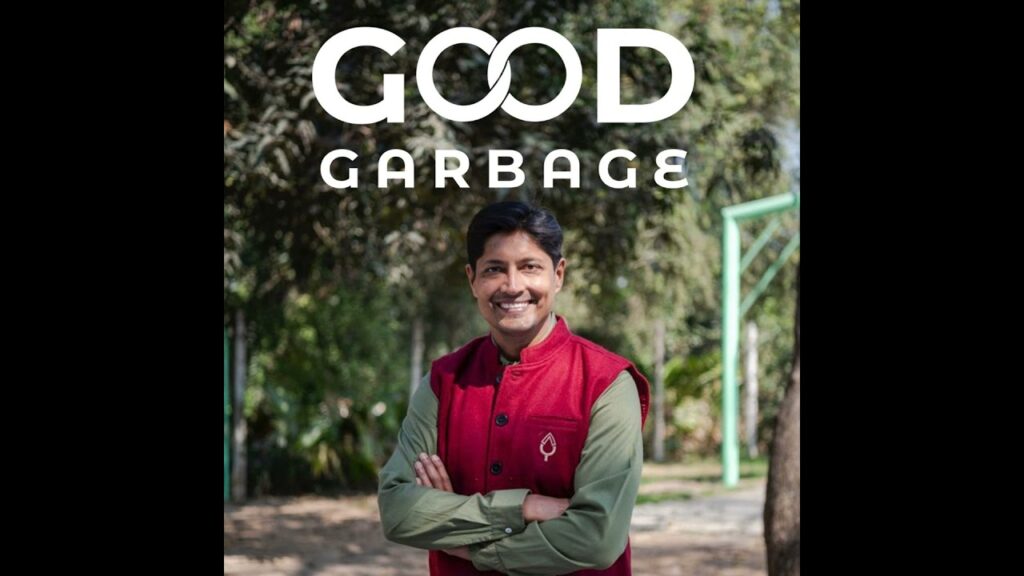
Group Lead, Ved Krishna
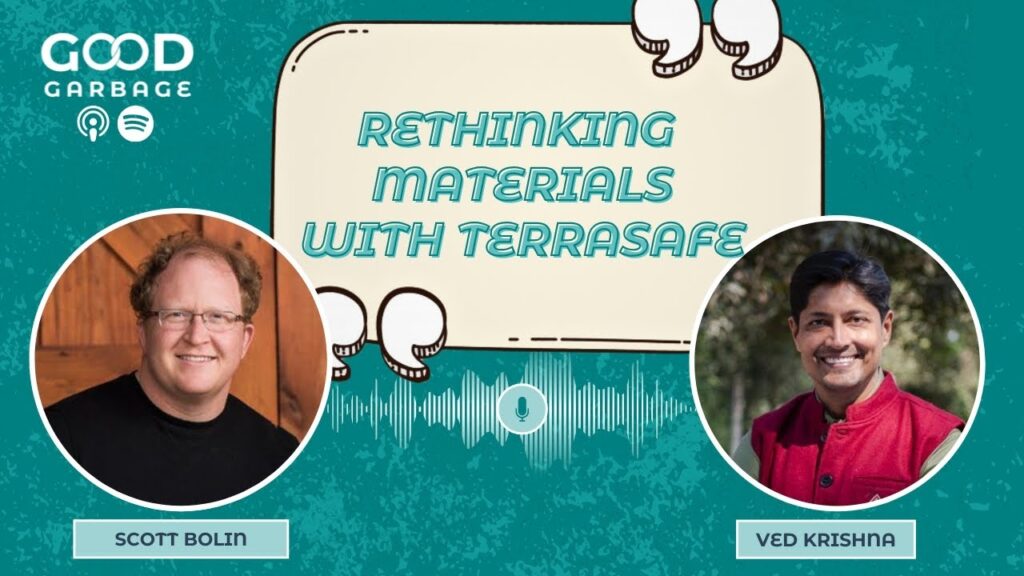
An entrepreneur with an endless thirst for finding a solution to the unknown, Scott Segal found his calling when he went back to his roots and decided to find a solution to the billions of pizza boxes ending up in landfills. The “barrier” which prevented these boxes from being biodegradable is pol


0:00 – Introduction to JJ Green Paper and the Renewable Packaging Challenge
Scott Seagle, founder of JJ Green Paper, opens by naming the biggest obstacle in sustainable packaging: actually getting renewable materials adopted at scale. His company is a direct response to that problem.
13:00 – Philosophy, Openness, and Breaking Narrow Thinking
Scott has an unconventional take on why new ideas get killed: education, culture, and religion narrow how people think. He explains how that philosophy connects to the way he runs JJ Green Paper and why he believes thinking horizontally rather than vertically is what innovation actually requires.
27:00 – Learning Paper Manufacturing from Scratch
Scott came to paper manufacturing with no industry background. He explains what that meant in practice, the time spent learning mills, grain direction, moisture resistance, and what the technical work looked like before there was any product to show.
40:00 – The Discovery of a Water-Resistant Compostable Coating
JJ Green Paper’s coating came out of accident. Scott mixed several plant-based materials, poured water on coated paper, and the paper held. He explains the years of refinement between that moment and a product that is food-safe, backyard compostable, and commercially viable.
54:00 – Pivoting from Product to Barrier Coating Supplier
JJ Green Paper started by selling finished paper products, then realised the real value was the coating itself. Scott explains the pivot to supplying the barrier coating to converters and molded fiber manufacturers, and why that move dramatically expanded what the company could reach.
68:00 – Natural Oils as Food-Safe, Backyard Compostable Coatings
The coating uses plant-based oils to create water and grease barriers. Scott explains why natural oils work as packaging coatings, how they compare to PFAS-based alternatives, and what the food safety picture looks like for direct food contact.
81:00 – Real-World Performance: Pizza Boxes, Takeout Containers, and Molded Fiber
One pizza box customer reduced their paper weight by moving to JJ Green Paper’s coating because the stronger barrier meant they could use a lighter substrate and get the same result. Scott shares that and other real case studies from food service and molded fiber.
95:00 – Scaling Globally — Ambition, Oracle, and the Road Ahead
Scott’s ambition is global scale. He explains the enterprise infrastructure work already underway, including ERP systems and manufacturing partnerships, and reflects on what it takes to bring a genuinely new material to the world from a small team with limited resources.
Explore More Episodes

















Let’s come together!