
Group Lead, Ved Krishna
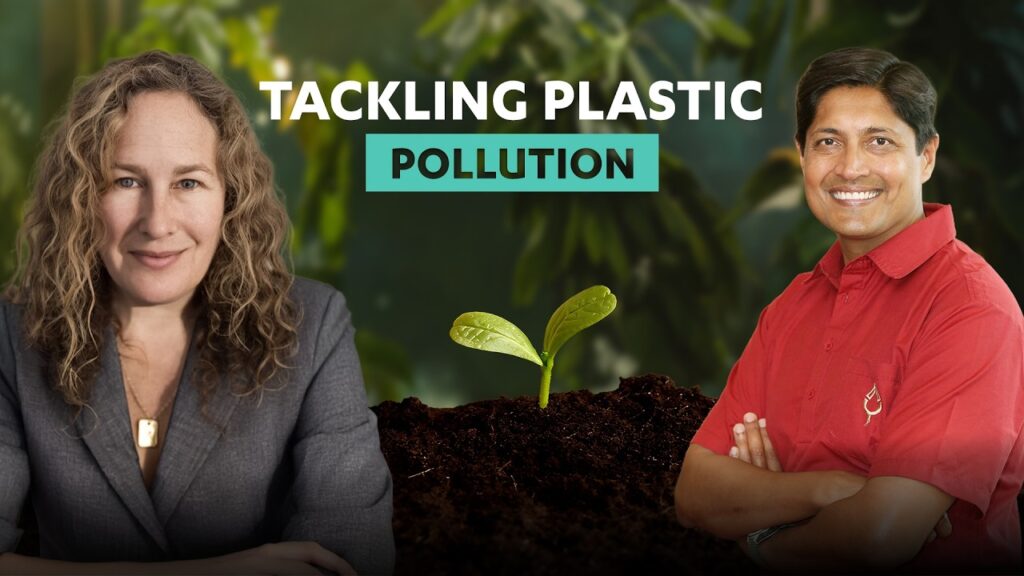
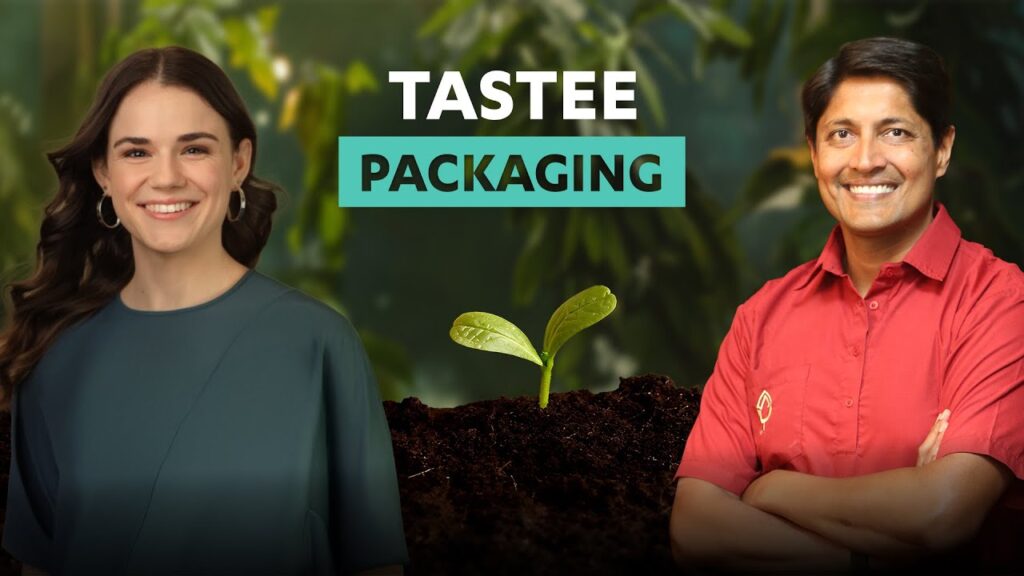
Environment day at Good Garbage couldn’t have been greener! 🌳 In today’s episode, GreenKey Group co-founder and fellow podcaster, Kelly Williams brings in his unique expertise in the field of sustainable packaging. We discuss his early influences, the challenges and lessons learned in the petroleum


0:00 – From Waste Law to Material Science
Kelly Williams came to packaging materials through an unexpected route: environmental law. She explains how a childhood obsession with how things work pulled her away from policy and into the technical side of flexible packaging, and why that curiosity has been the consistent thread through her career.
10:00 – The ABCs of Flexible Packaging Layers
The structure of flexible packaging is more complex than most people realise. Kelly walks through the three main layers, what each does, and how the way they’re assembled largely determines whether a package can be recycled, composted, or neither.
21:00 – From Cellophane to MDO — The History of Flexible Films
Flexible packaging started with cellophane and glassine paper before the industry shifted toward petroleum-based films. Kelly traces that history and explains why going back to bio-based alternatives isn’t as simple as reversing course, given decades of performance optimisation built around fossil-derived materials.
32:00 – The End-of-Life Problem with Petroleum Polymers
Petroleum-based polymers don’t have a clean end-of-life. Kelly explains how these materials eventually fragment into microplastics in deserts and oceans, and why the packaging industry needs to solve the end-of-life question at the design stage rather than hoping someone else handles it downstream.
43:00 – PHA and PLA: Two Bioplastics, Two Different Paths
PHA and PLA are both bioplastics, but they behave very differently. Kelly gives an honest technical comparison of their feedstocks, processing requirements, and degradation profiles, without declaring a winner.
53:00 – Compost Is Where Carbon Regenerates
Composting isn’t just about keeping organics out of landfill. Kelly’s argument is that compost is where carbon gets cycled back into productive soil, and that packaging designed with that endpoint in mind from the start is what a genuinely regenerative materials economy actually looks like.
64:00 – Why the Plastics Industry Resists Compostable Packaging
Kelly speaks plainly about how incumbent plastics industry players have used standards bodies, market influence, and lobbying to slow compostable packaging adoption. Her view: change comes from consumer pressure and legislation, not from within the industry.
75:00 – Roots to Fruits and the Vision for Agri-Based Packaging
Kelly’s book Roots to Fruits grew out of everything she’s learned working at the intersection of agriculture and packaging materials. She explains who it’s written for and what she hopes people in the industry take away from it.
Explore More Episodes

















Let’s come together!