Group Lead, Ved Krishna
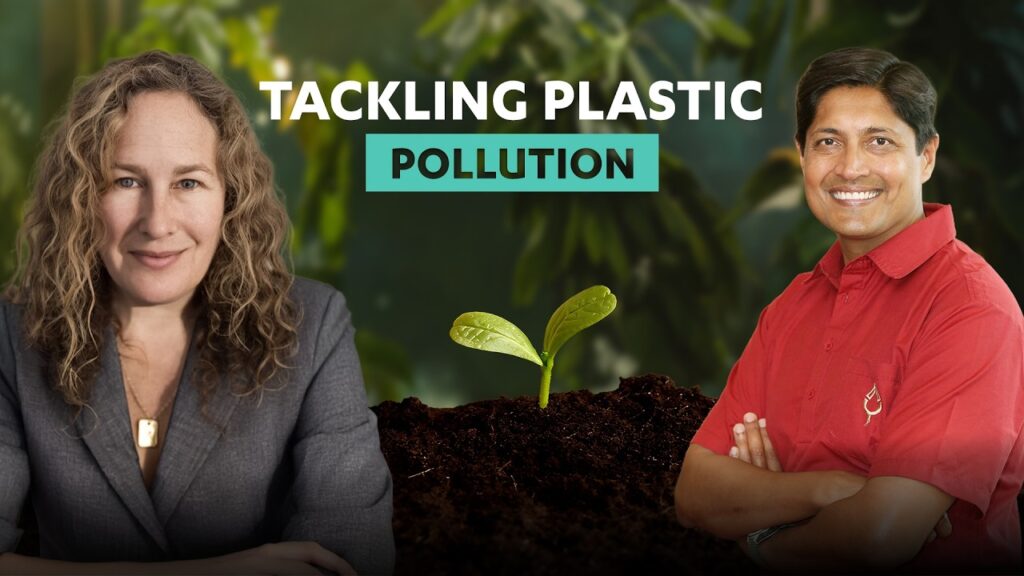
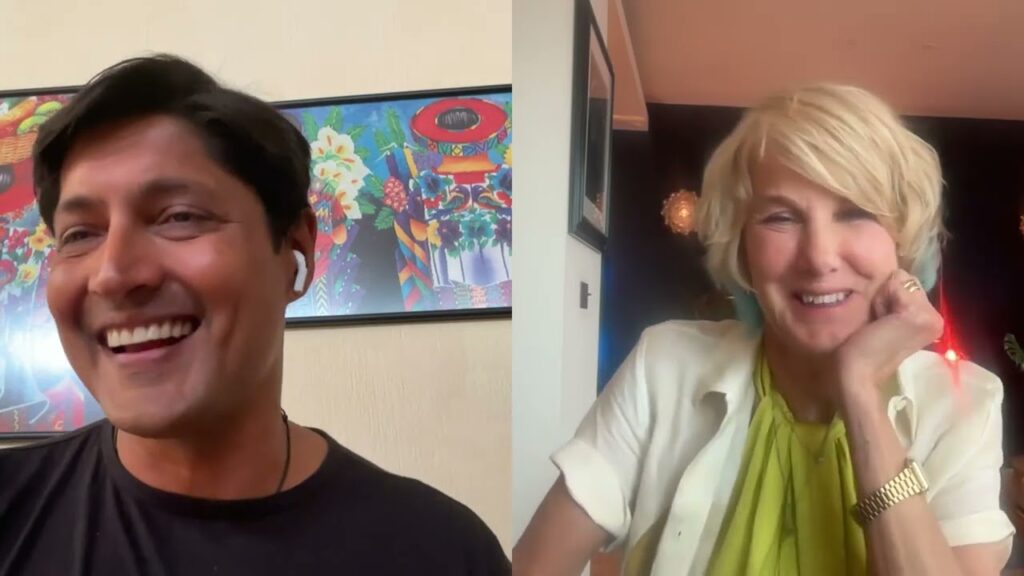
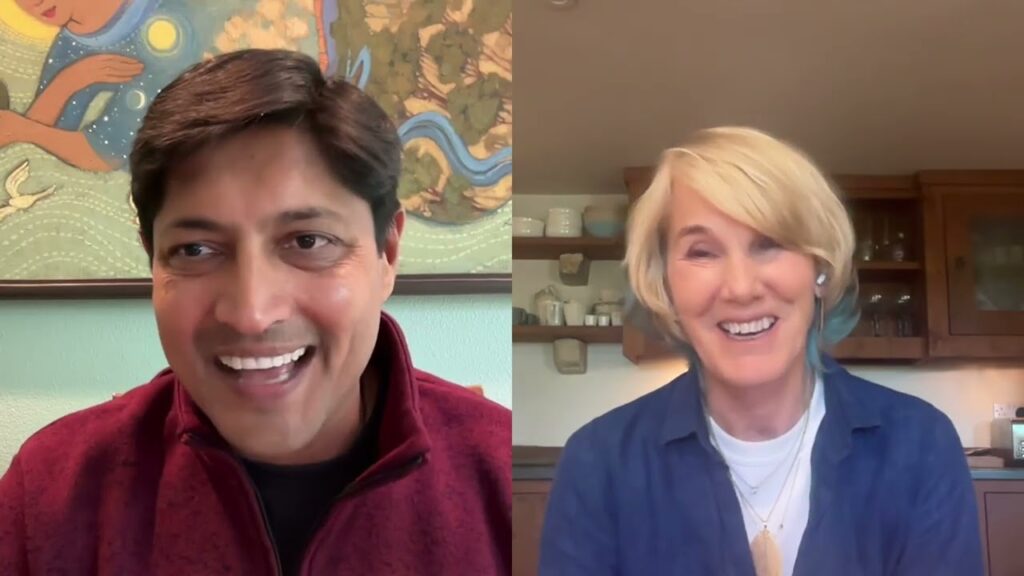
Hello, hello! The moment you hear Sian Sutherland, Plastic Planet & PlasticFree.com CEO start speaking – you know change is coming. Change of the acceptance of the world we live in – where plastic is everywhere, and so many have accepted pollution, or a solution of recycling. Sian says it like it i


0:00 – Introduction to PlasticFree.com and Plastic Planet
Sian Sutherland, co-founder of PlasticFree.com and Plastic Planet, talks about going from building one of the UK’s most successful restaurant brands to becoming one of the country’s most prominent voices against single-use plastic.
11:00 – From Advertising to Activism — The Journey
Sian’s career in advertising gave her a specific toolkit that she now uses for the planet. She explains how brand thinking, the same skills used to sell products, turns out to be a genuinely useful tool for driving systemic change.
23:00 – Recycling Was Invented by the Plastics Industry
The recycling icon and the idea that plastics could be recycled was, in large part, a strategic creation of the fossil fuel industry to head off regulation. Sian presents the historical evidence and explains why accepting that is necessary for understanding why recycling has always underperformed its promises.
34:00 – What Actually Happens to Plastic Sent for Recycling
Sian explains what the evidence actually shows about what happened to plastic shipped to China, India, and Southeast Asia for recycling, and how much of it was recycled versus landfilled, incinerated, or dumped.
46:00 – The Informal Waste Economy and the Lives That Depend on Plastic
Millions of people in the Global South depend on the informal plastic recycling economy for income. Sian addresses this directly and argues that any transition away from plastic has to include those people rather than simply declaring plastic the enemy.
57:00 – Distinguishing Real Circularity from Linear Greenwashing
The circular economy is a real concept, but it’s also one of the most abused terms in corporate sustainability communications. Sian explains what genuine circularity looks like versus a linear system with a green marketing layer.
69:00 – Molded Agri-Fiber as One of the Most Promising Paths Forward
Sian’s enthusiasm for molded fibre from agricultural waste is genuine. She explains why agri-fibre shaped into cups, plates, and containers without plastic coatings represents a systemic alternative rather than an incremental improvement.
80:00 – Reconnecting with Quality and Value in the Materials We Use
The cultural shift required to solve plastic is about recovering a relationship with materials that disposability has destroyed. Sian closes by arguing that quality costs something and that packaging is worth caring about.
Explore More Episodes
Let’s come together!