
Group Lead, Ved Krishna
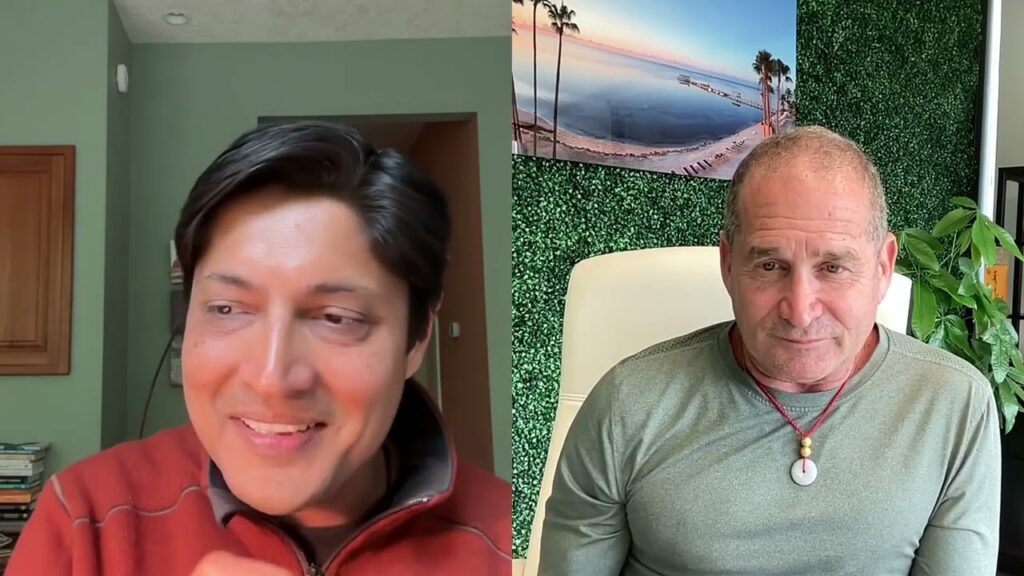
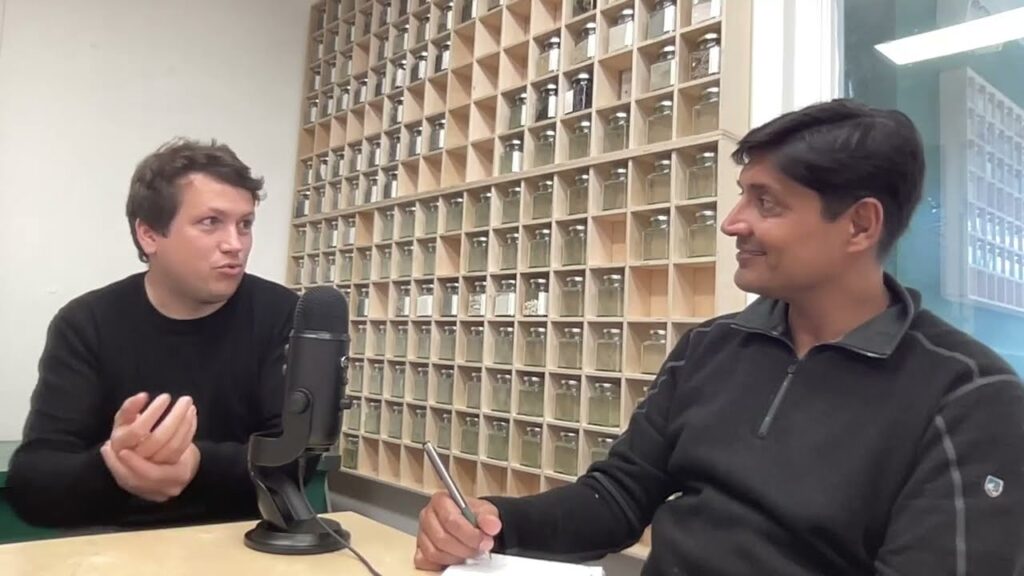
Hello, hello! Ved sits down with Dr. Ramani Narayan, distinguished professor at Michigan State University and the man behind PLA as packaging knows it. They get into why calling something biodegradable is misleading on its own, the 90 percent rule sitting inside every standard, where the “500 years” figure came from, and why bio-based and biodegradable are not the same property.


00:00 – Intro
Cold open on Dr. Narayan’s verdict that using the word biodegradable on its own is misleading and disingenuous, alongside the line that everything biodegrades and the only real question is time.
01:30 – Basketball, Purdue and the corn growers who funded PLA
Before the polymers there was basketball. Dr. Narayan refereed and coached at national level in India and met his wife on the court. He traces the path from there to Purdue and to the corn growers whose money sat behind the early lactic acid work.
09:45 – The great diaper debate: what LCA actually settled
Dr. Narayan revisits the great diaper debate, when cloth versus disposable became a public argument and biodegradability entered the frame. He describes how life cycle assessment settled more than the shouting did.
14:15 – Nature's packaging, why the banana peel is the model
Nature packages its products in biodegradable packaging, and Dr. Narayan takes the banana peel as the working model. Using renewable feedstocks and residues and closing the loop is, in his framing, simply how nature cycles carbon.
19:30 – Why we designed plastics that never break down
The turning point came at Purdue’s laboratory of renewable resources engineering, where ethanol from agricultural feedstocks was routine but products were not. He explains why the industry then spent decades engineering plastics specifically not to break down.
24:00 – "Magic dust": the oxo-biodegradable additive problem
Dr. Narayan is scathing about the additive approach: throw in some magic dust, change nothing at either end, and claim the problem is engineered away. He connects the resulting FTC and attorney general actions to oxo-biodegradable claims still circulating, including an Indian milk company whose material tested as LDPE with a masterbatch.
29:15 – A property, not a claim, the 90% rule inside every standard
The core of the masterclass. Every standard, whatever the environment, asks the same question: can you demonstrate that 90 percent or more of the material carbon has been microbially converted to CO2 in a practical time frame. Biodegradability is a measurable property, not a marketing claim, and practical is defined by the disposal environment.
38:15 – "500 years": where those numbers come from
The 500 year and 1,000 year figures are, in his words, numbers pulled out of the air with no test behind them. What matters is persistence and accumulation rather than a specific count of years, which is why he defines time frames by disposal environment instead.
45:00 – Carbon-carbon versus ester backbones
Roughly 90 percent of packaging polymers sit on a carbon-carbon backbone: polyethylene, polypropylene, polystyrene, PVC. That bond is the strongest one humans have built, deliberately, and Dr. Narayan explains what changes once an ester group enters the chain.
57:00 – PBS, PBAT, PVA, bio-based is not biodegradable
The origin of the carbon has nothing to do with what happens at end of life. Dr. Narayan works through PBS, PBAT and PVA to show that bio-based and biodegradable are independent properties, decided by the bonds holding the carbons together rather than by the feedstock.
74:15 – Composting: the infrastructure we are missing
Organic waste is 50 to 60 percent of municipal solid waste in India and much of the world, and in a landfill or open dump it goes anaerobic and converts largely to methane. Dr. Narayan argues the missing piece is composting infrastructure and the regulation to build it.
Explore More Episodes













Let’s come together!