
Group Lead, Ved Krishna
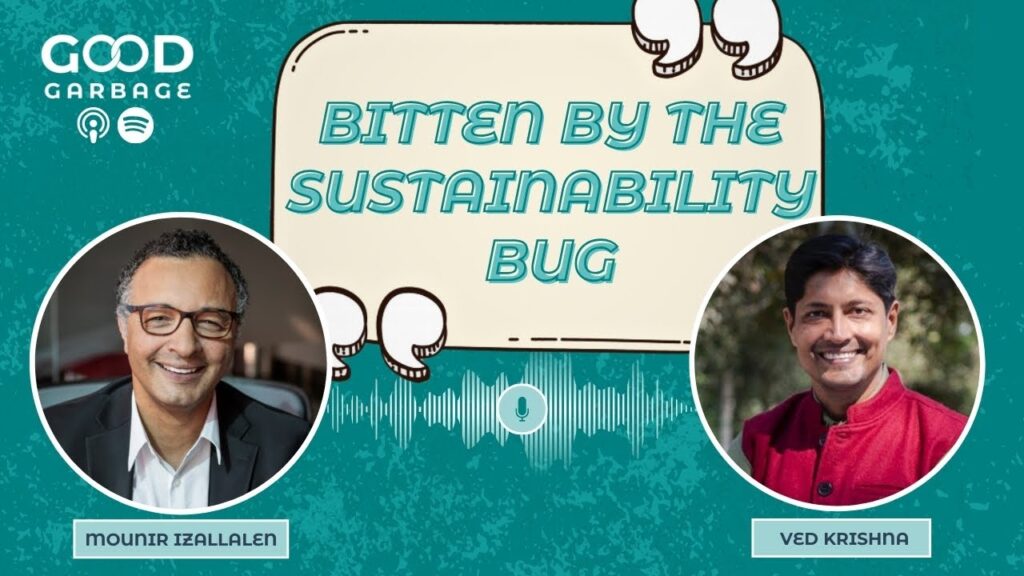
Hello, hello! We’re joined by bug expert and patent machine Mounir Izallalen in this episode. An expert in microbiology and its applications to provide solutions to real life problems, he’s currently working on creating compostable food packaging solutions with Eastman’s brand Aventa. With Cellul


0:00 – Introduction to Eastman and Cellulose Acetate
Monir Isalin is the Strategic Alliance Manager at Eastman and sits on the BPI board. He explains Eastman’s long history with cellulose-based materials and where the company is taking its portfolio as packaging sustainability expectations shift.
12:00 – From University Research to Commercial Science
Monir’s research career started with National Science Foundation funding on sustainable materials before he moved to the commercial side at Eastman. He talks about the gap between what works in a lab and what it actually takes to scale something to industrial production.
24:00 – Cellulose Acetate Applications in Sustainable Packaging
Cellulose acetate and its derivatives, CAP and CAB, cover a range of packaging applications from flexible films to rigid trays. Monir explains how Eastman is working with converters and brands to replace petroleum-based polymers with cellulosic alternatives across those formats.
36:00 – Building Value Chain Collaboration from Converter to Composter
No single company can solve sustainable packaging on its own. Monir explains how Eastman builds relationships across the whole value chain, from converters to composting operators, and why aligning all those players matters more than having the best material.
48:00 – Extended Producer Responsibility and the Shift in Market Dynamics
EPR legislation changes who pays for end-of-life packaging management, and that shifts the economics significantly. Monir explains what this means for brands that haven’t moved yet, and why early movers will be better positioned when regulation arrives.
60:00 – Compostable vs Recyclable — The Material Science View
Compostable versus recyclable is not a binary choice, it depends on the application and the available infrastructure. Monir explains the material science view of when each approach makes sense, and why framing them as competitors misses the point.
72:00 – BPI Certification and the Role of Standards Bodies
BPI took a hard line on compostability standards, including removing PFAS-containing products from its certified list. Monir explains how certification bodies shape what the market accepts and what Eastman looks for when working toward and maintaining compostability claims.
84:00 – Build the Product First, Then Build the Infrastructure
The composting infrastructure has to be built alongside the products, not after them. Monir uses the electric car and charging station analogy to explain the chicken-and-egg problem facing bioplastics companies and what it means for how they should approach market development.
Explore More Episodes























Let’s come together!