
Group Lead, Ved Krishna
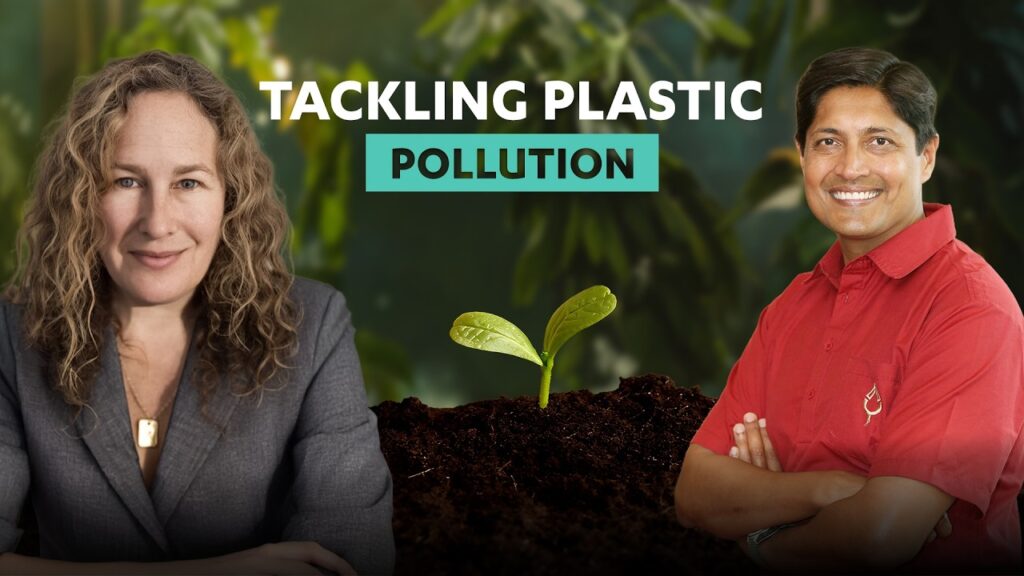
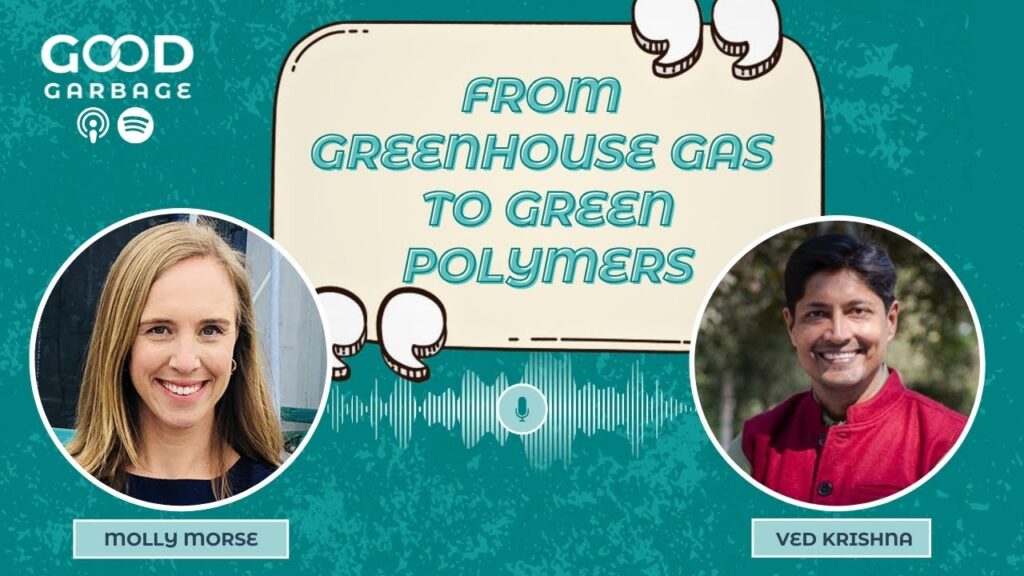
Hello, hello! Here’s a riddle – What do Methane and Mangoes have in common? We’ll have to ask Molly Morse and find out! CEO and co-founder of Mango Materials, Molly is working to produce biodegradable plastics (PHA) made from waste biogas that are economically competitive with conventional oil-ba


0:00 – Introduction to Mango Materials and Methane-to-PHA
Molly Morse, co-founder and CEO of Mango Materials, built a company around a single insight: methane from wastewater treatment is an abundant, cheap greenhouse gas that bacteria can convert directly into PHA bioplastic. She explains what drew her to that problem.
9:00 – The Science of Converting Methane into Biopolymer
Bacteria metabolise methane gas into a polyhydroxyalkanoate polymer, but the process requires dissolving the methane in liquid first, which is harder than it sounds. Molly explains the chemistry and why the technical demands are genuinely unusual compared to sugar-based bioplastics.
18:00 – Building Mango Materials with Three PhD Co-Founders
Mango Materials has three PhD co-founders from engineering backgrounds that overlap but don’t duplicate. Molly talks about what made that founding team work, and why having people with shared context but different expertise matters more than most founders expect.
27:00 – Technical Challenges in Gas-Based Polymer Production
Getting consistent, high-quality PHA from a gas feedstock is one of the harder manufacturing problems in bioplastics. Molly explains the key challenges, from methane dissolution to achieving consistent polymer molecular weight.
36:00 – Where PHA Fits in the Bioplastics Ecosystem
PHA and PLA are both bioplastics but they behave differently. Molly gives an honest view of where PHA has real advantages, where PHA-PLA blends are emerging, and why brittleness in some PHA formulations has pushed interest toward plasticisers.
45:00 – The Commercial Case for Waste Gas as a Feedstock
Using methane from wastewater treatment or landfill as a feedstock gives Mango Materials a cost and carbon advantage that bio-based sugar competitors can’t easily replicate. Molly explains how that positioning informs their commercial approach.
54:00 – Scaling PHA and the Investor Conversation
PHA is getting closer to cost parity with conventional plastics, and Molly explains where it sits on that journey. She also talks about raising capital for deep-tech bioplastics and why she’d rather have a smaller stake in a company that actually scales.
63:00 – Women in Climate Tech and Closing Reflections
Molly reflects on what made her PhD environment unusually supportive for women in technical fields, and closes with a clear vision: billions of pounds of PHA produced from methane at waste treatment sites around the world.
Explore More Episodes




















Let’s come together!