
Group Lead, Ved Krishna
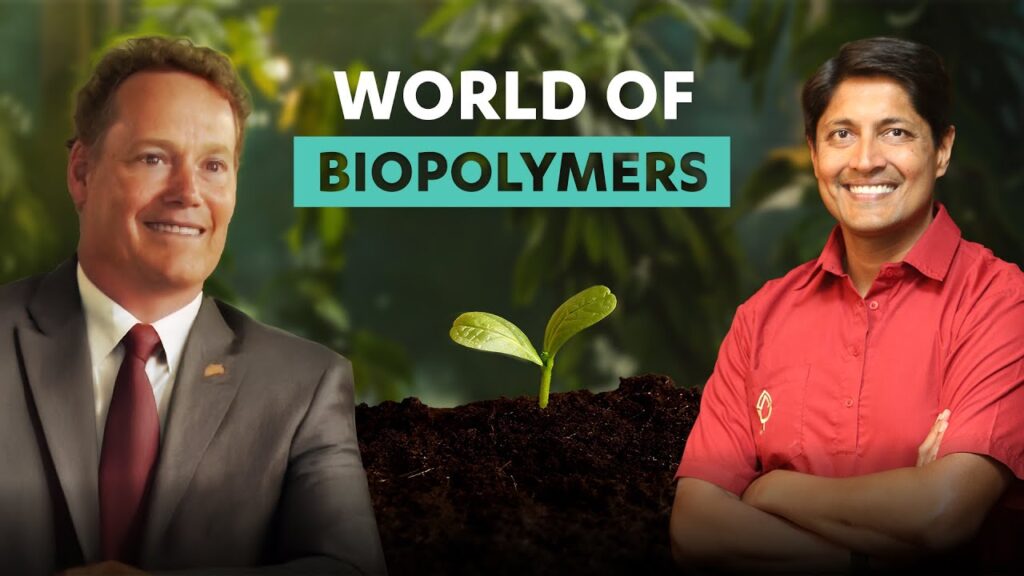
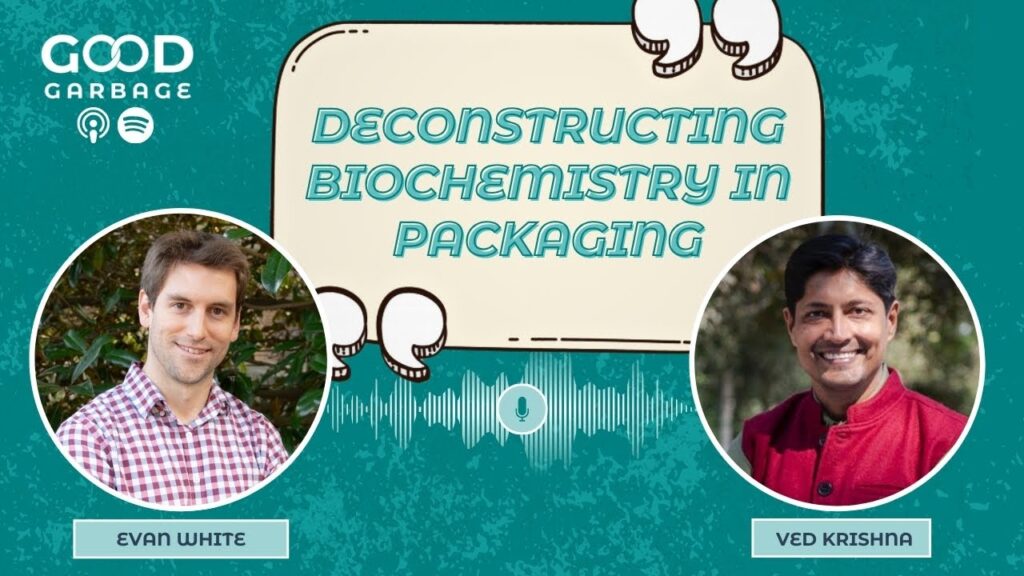
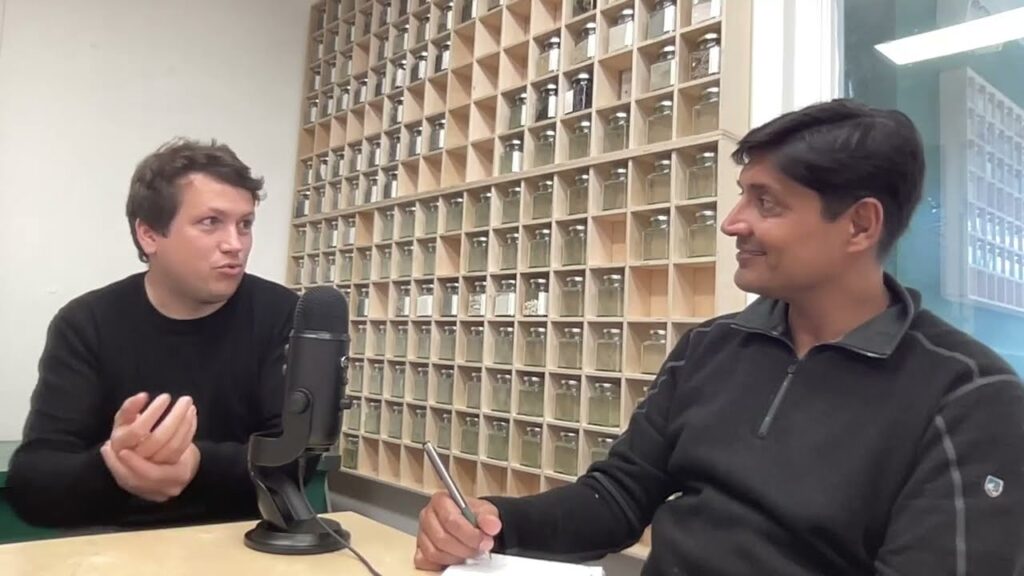
Hello, hello! Are you ready to geek out over biochemistry and compostable polymers with us? Well, you better be! Cause we have Dr. Evan White joining us to talk about the incredible work he’s doing as the Director of The BiosenaticSM Lab. This analytical lab is part of the University of Georgia’s


0:00 – Introduction to Biotic Labs and the Science of Compostability
Evan White runs Biotic Labs, which does independent analytical testing to verify whether packaging materials actually biodegrade and compost as claimed. He’s an environmentalist by training who ended up in materials science, and this conversation is very much about what happens at that intersection.
10:00 – The Biology of Biodegradation
Composting isn’t just chemistry, it’s biology. Evan explains how microbes and enzymes work together to break down compostable materials and why that process depends heavily on the molecular structure of whatever they’re trying to eat.
21:00 – The Limits of Mechanical Recycling and Downcycling
Every time plastic is mechanically recycled, the polymer chains degrade. Evan walks through what recycled content actually means at a molecular level and makes the case that recycling is a deferral of the problem, not a solution to it.
32:00 – Designing Packaging That Enzymes Can Access and Break Down
The key design question for compostable packaging isn’t what the material is made of, it’s whether enzymes can physically reach the polymer chains. Evan explains what structural design choices allow genuine biodegradability and what gets in the way.
43:00 – What Biotic Labs Tests and How Clients Use the Results
Biotic Labs tests one core question: is this material compostable, and on what timeline? Evan explains the testing methodology, what a client receives at the end of the process, and how those results get used, whether in certification applications or product reformulation.
53:00 – Life Cycle Analysis and the True Embedded Cost of Materials
A packaging material can’t be judged by end-of-life alone. The energy used to produce it matters just as much. Evan explains how life cycle analysis changes the picture on materials that look sustainable on paper but carry a heavy production footprint.
64:00 – The PLA Safety Debate and What Scientists Are Still Unsure About
Scientists are still genuinely uncertain about some aspects of PLA, including what its breakdown products do in biological systems. Evan gives an honest account of where the evidence stands and what questions remain open.
75:00 – Coatings, Barriers, and the Future of Sustainable Packaging Chemistry
Polyurethane coatings perform well but create end-of-life complications. Evan explains where the most promising opportunities for bio-based barrier chemistry lie, and why coating flexibility makes this one of the more interesting areas to watch in sustainable packaging.
Explore More Episodes






Let’s come together!