
Group Lead, Ved Krishna
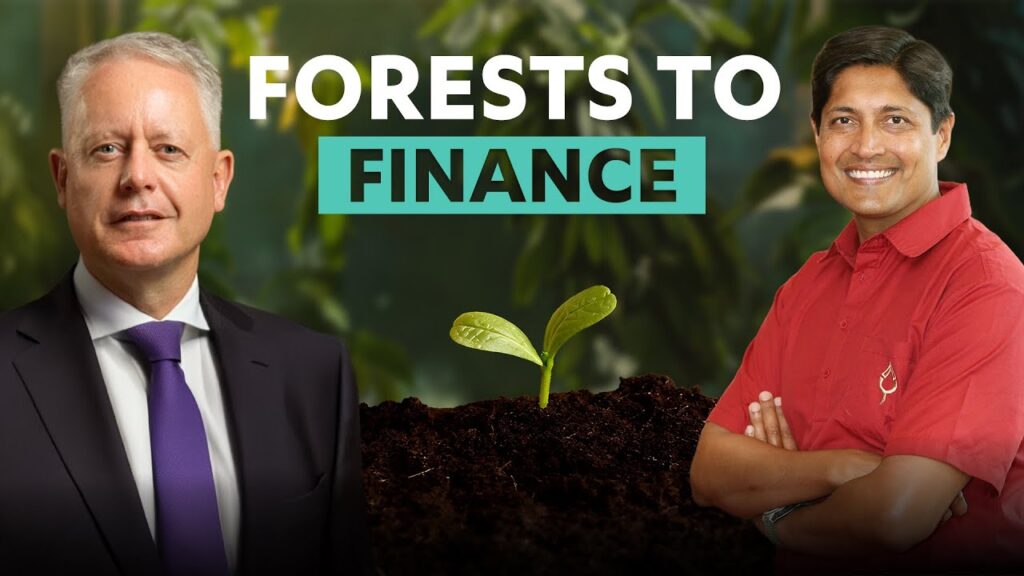
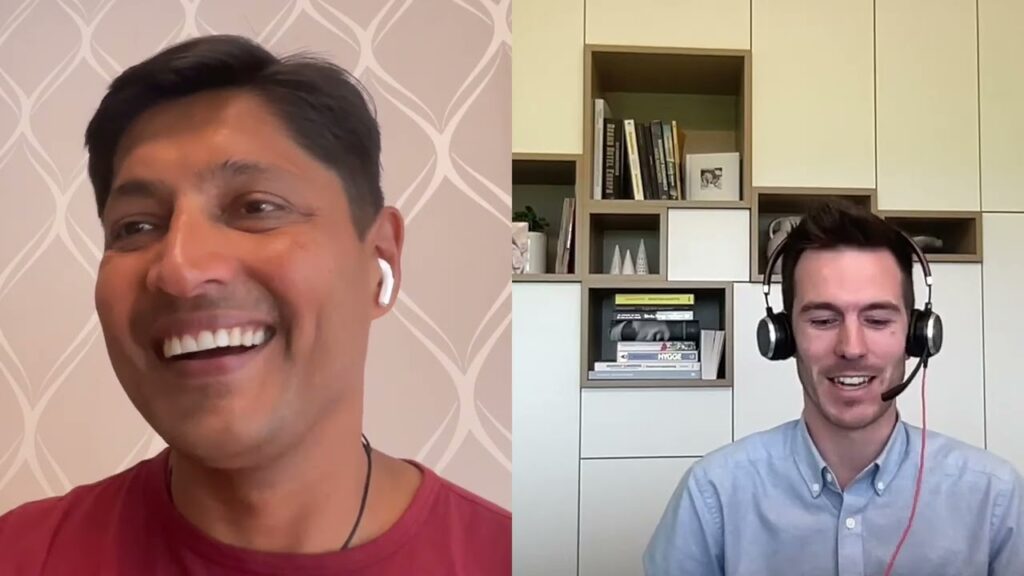
Hello, hello! Join us today for an informative, exciting conversation with David Walker, founder and partner at Kauri Capital, as he shares his journey from the forest industry to sustainable finance. In this episode, David delves into the challenges and opportunities within the biomaterials secto


0:00 – Welcome and David Walker's Career Journey
David Walker, founder of Cowry Capital and the Forest Industry Coke Global Growth Fund, has spent decades in pulp, paper, and biomaterials. He talks about his early years in Southeast Asia consulting and how that time shaped the way he thinks about investing in forest-based innovation.
13:00 – What It Takes to Fund Sustainable Materials
David explains what makes biomaterials startups harder to fund than conventional tech, why this space has been chronically undercapitalised, and what investors are actually looking for before they commit to an early-stage materials company.
27:00 – Pitching to the Traditional Industry
Getting large incumbents to adopt new sustainable materials is genuinely hard. David talks about the tension between corporate innovation culture and what startups can actually deliver, and what founders need to do to be taken seriously by industry veterans.
41:00 – Fundamentals Over Hype in Sustainability
David’s argument: too many founders chase press coverage instead of getting the fundamentals right. Who is the customer? What problem are you solving? Can the economics work at scale? He’s seen enough pitches to know which ones never make it past the first meeting.
55:00 – Pricing Plastics for Their True Environmental Cost
Plastics are mispriced. They don’t carry the cost of the environmental damage they cause, and David thinks that’s the core problem. He makes a direct case for carbon taxes on plastic as the most effective way to level the playing field for sustainable alternatives.
69:00 – How Bioplastics Companies Should Raise Capital
What does it actually take to raise money for a bioplastics company? David gives practical advice on what investors need to see, why trust and track record often matter more than the technology itself, and how to frame the pitch for someone who doesn’t come from a materials background.
83:00 – Carbon as Currency in the Materials Transition
Carbon is invisible and hard to explain to investors who aren’t scientists. David talks about why carbon accounting still matters for biomaterials companies, how to communicate it without losing people, and what happens when you get that framing wrong in a funding conversation.
97:00 – Europe's Leadership and the Road Ahead
David closes with his take on why Europe is ahead of the US and most of Asia on sustainable packaging regulation, what the rest of the world can realistically learn from that, and whether he thinks we’ll see a meaningful reduction in plastic use in his lifetime.
Explore More Episodes































Let’s come together!