Festive Season Paper Bag Demand: What Converters Should Stock and Quote for Diwali 2026

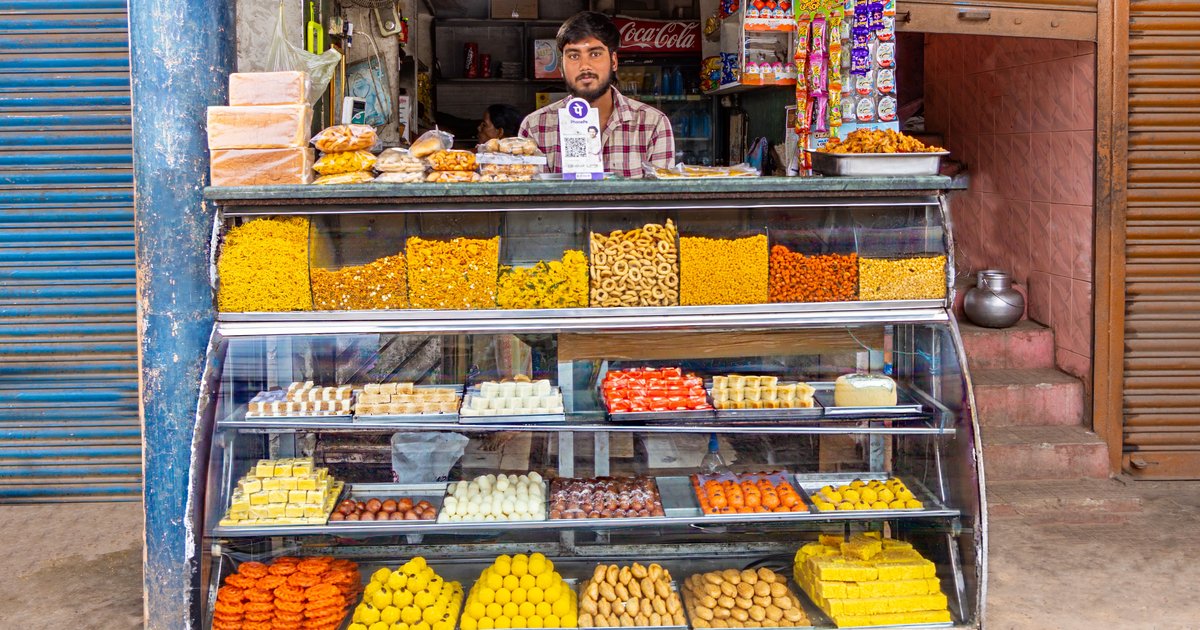
Diwali 2026 falls on Sunday 8 November, with Dhanteras on Friday 6 November, so the festive peak for paper bag converters runs from now until about 5 November. Over those weeks sweet shops, dry-fruit sellers, apparel retailers, corporate gifting buyers and food-delivery kitchens all want more bags at once. For a converter, the money is in three choices made before the rush: which formats to keep in stock, which grammage to quote for each, and what lead time and price you are prepared to commit to in writing.
This guide is for people who run bag machines, not for retailers. It sets out the formats that move in a Diwali season, the base-paper grades behind them, a week-by-week plan from mid-October, and the quoting terms that protect your margin when every buyer wants their delivery on the same day.
How big is Diwali demand for paper bags?
Big enough to fill any converter’s machines, though you have to estimate it from retail spend because nobody publishes a bag-specific Diwali figure. According to the Confederation of All India Traders (CAIT), Diwali 2025 trade reached a record ₹6.05 lakh crore: ₹5.40 lakh crore in goods and ₹65,000 crore in services, measured across 60 distribution centres. CAIT also put rural and semi-urban India at 28% of that trade, so the demand reaches well past the metros. Online sales add to it. Redseer projected e-commerce festive GMV of more than ₹1.15 lakh crore for the 2025 season, growing 20 to 25% year on year. Treat that as a pre-season projection, not a final outturn. Almost every purchase in these numbers leaves the shop, the counter or the dark store in a carry bag, a pouch or a box.
The figure that matters most on the converting floor is CAIT’s estimate of 50 lakh temporary festive jobs across logistics, packaging, transport and retail. Your customers are hiring for the same weeks you are, and packaging labour gets scarce exactly when you need extra shifts.
Since 31 December 2022, plastic carry bags below 120 microns have been banned from manufacture, sale and use (CPCB), so a large share of festive carry-bag demand now lands on paper by default. Paper’s own EPR rules are a different matter: they are still a draft, as our paper packaging EPR status briefing explains. For the longer-run view of where that volume sits, the paper bag demand forecast for 2026-27 breaks it down by segment.
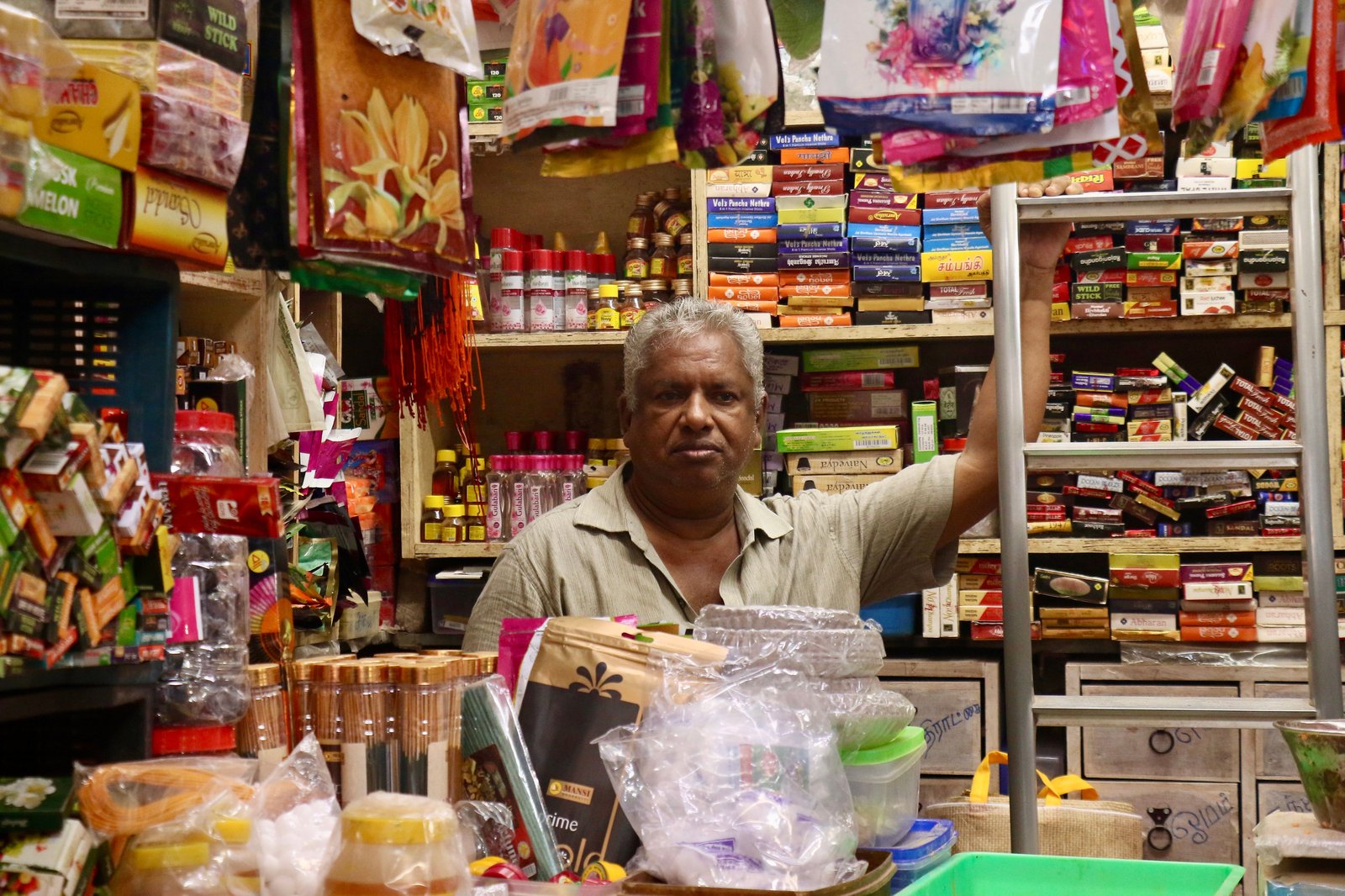
Which Diwali paper bags should converters stock?
Stock the six formats below. Together they cover most festive enquiries, and each sits on a base-paper grade you can buy and run now. The grammage bands follow the ranges in our GSM selection guide for paper carry bags. Use them as starting points and confirm load and handle for each order.
| # | Festive format | Typical buyer | Base paper | GSM band | Handle | Watch-out |
|---|---|---|---|---|---|---|
| 1 | Mithai and sweet-shop carry bags | Halwais, sweet chains | Unbleached or bleached kraft | 60-80 | D-cut or flat | Ghee-based sweets in a box still need grease resistance at the bag base if boxes leak |
| 2 | Dry-fruit and gift-hamper bags | Dry-fruit sellers, gifting firms | Virgin kraft, often printed | 90-120 | Twisted or rope | Hampers run 2-4 kg; under-specified bags fail at the handle patch |
| 3 | Apparel and festive retail bags | Ethnic-wear stores, malls | Virgin kraft or bleached kraft | 80-100 | Flat or twisted | Brand colour accuracy is judged harshly in festive print runs |
| 4 | Corporate gifting printed bags | B2B gifting buyers | Bleached kraft for print | 100-120 | Rope or ribbon | Fixed delivery dates; penalty clauses are common |
| 5 | Takeaway and delivery bags | QSRs, cloud kitchens, caterers | Unbleached kraft | 70-80 | D-cut or W-cut | Food contact applies; volume spikes on Diwali night itself |
| 6 | Bakery, namkeen and sweet pouches | Bakeries, namkeen brands | Bleached or unbleached kraft, MG kraft | 35-56 | None | Oil migration from namkeen; check Cobb value and grease resistance |
GSM (grams per square metre) is the weight of one square metre of the base paper. It is the first number a buyer quotes and the easiest one to over-specify. If any of the strength terms in this table are unfamiliar, the paper converter glossary defines them in one place. Formats #3 and #4 are print-led, and our paper bag printing guide covers ink adhesion and registration on kraft before you commit to a festive colour run.
Two formats on this list carry the most risk in a festive season. Hamper bags (#2) fail in public, at a handle, in front of the gift’s recipient, so it pays to test pull strength on a filled bag before you commit to volume. Takeaway and pouch formats (#5 and #6) touch food, and Diwali food is oily. Cobb value, the amount of water a paper surface absorbs in a fixed time, tells you how the sheet will behave against moisture. It does not measure grease resistance, which needs its own test. Our food-grade paper bag compliance guide covers the FSSAI and ink-migration rules that apply to formats #1, #5 and #6.

When should converters order base paper for Diwali?
Most of your base paper should already be on your floor by mid-October, and every order from here on should be booked against firm customer POs, not forecasts. India’s organised paper mills ran at 97.01% capacity utilisation in FY 2025-26, according to the Indian Paper Manufacturers Association (IPMA). Capacity utilisation is the share of installed mill capacity that actually runs, and at 97% there is very little spare to absorb a late surge. A converter who orders reels in the last week of October joins the queue behind everyone else who left it late. Read a mill’s quoted lead time in this period as a best case. Reels can also spend days in transit before they reach your floor, and they need time to condition after that, so the date the mill gives you is not the date you can start running them. The plan below counts back from Diwali.
- Now to 18 October (Navratri running, Dussehra on 20 October): lock reel quantities for confirmed festive orders and check moisture and caliper on every incoming reel. Confirm print artwork for corporate gifting and apparel jobs this week, because plates and proofs are the slowest part of a printed run.
- 19 to 25 October: run the printed and heavy-handle jobs first: formats #2, #3 and #4. These take the longest on the machine and carry the strictest delivery dates.
- 26 October to 1 November: switch to plain, high-volume formats (#1, #5 and #6) and build stock of the two or three sizes your sweet-shop and food customers repeat every year.
- 2 to 5 November: dispatch only. Keep one shift for top-up orders from sweet shops and kitchens that sold out faster than they planned.
- 6 to 8 November (Dhanteras to Diwali): expect same-day calls for takeaway bags. Quote them from finished stock you already hold, never from fresh production.
Reel discipline matters more than speed in these weeks. The post-monsoon air is drier than in August, and a reel that sat in a humid godown can curl or cockle once it reaches a warmer machine hall. Condition reels on the floor before running them, and do not skip incoming checks to save a day.
How should converters quote festive paper bag orders?
Quote festive orders on firm dates, firm quantities and a price that covers the cost of rushing. Do not quote at your regular-season rate and absorb the overtime yourself. Festive buyers will pay for certainty, and the price you can defend comes from guaranteeing a delivery slot, not from undercutting the converter down the road. Four terms are worth putting in writing.
- A delivery slot with a cut-off date. Tell the buyer the last date you will accept artwork or quantity changes for a given dispatch date. Every change after that cut-off is re-quoted.
- A rush surcharge for orders inside 10 days. Short-notice work costs you extra shifts, changeovers and faster freight. Price it openly as a line item so the buyer can see it.
- An advance on printed jobs. A corporate gifting run printed with a customer’s logo cannot be resold if the order is cancelled. Take enough advance to cover the paper and the plates.
- A validity window on the base-paper price. Kraft paper costs can move between quote and dispatch. State how long your quote holds, usually 7 to 15 days, and what happens after it lapses.
The contract pricing guide for converters sets out the full costing formula behind these terms, including how to build a pass-through clause into longer contracts once the festive season ends.
For printed festive work, brand colours are judged more harshly than at any other time of year. Gold, deep red and saffron are the shades buyers ask for most, and all three shift visibly between bleached and unbleached stock. Print a drawdown on the actual reel before you confirm a colour match. The printing guide linked above covers ink adhesion and registration on kraft.

What compliance questions will festive buyers ask?
The questions festive buyers ask most are whether a bag is food-safe, whether the ink is suitable for food packaging, and, from larger brands, whether you can document the bag for Extended Producer Responsibility (EPR). The first two have clear answers. The third needs care.
On food contact, any bag that carries sweets, namkeen or takeaway food falls under FSSAI packaging requirements, and printing inks for food packaging are covered by IS 15495:2020. Have the declarations ready before buyers ask for them. A sweet chain’s quality team will not wait for you to chase your ink supplier in Diwali week.
On EPR, be precise. EPR for paper packaging in India is still a draft rule. It has not been notified as law, and the CPCB EPR portal currently handles plastic packaging only. Some buyers will still ask for recyclability declarations and grade data, and it costs you very little to supply them. Do not tell a buyer that a paper EPR return exists or needs filing. The EPR status briefing linked above explains what is and is not in force, and what to prepare for.
There is no BIS product standard for paper carry bags, so never put an ISI mark on one. Base paper for kraft bags can be specified to IS 1397:2020 (kraft paper for packing and wrapping), which is a useful reference when a buyer asks what standard your paper meets.
What should converters avoid in the Diwali rush?
Diwali demand is short and sharp, and it punishes overstock. Most converters who lose money in the season lose it in one of three ways: printing generic “Happy Diwali” bags speculatively, running heavy gift grades for buyers who only needed a sweet-shop bag, or accepting late artwork that pushes a large order past Dhanteras.
Speculative printed stock is the biggest of these risks. A plain kraft bag in a standard size sells again in December or January. A bag printed with a Diwali greeting does not. If you want to hold festive stock, hold it plain and add a printed band only against a firm order.
Over-specification is the quieter loss. A 120 GSM rope-handle bag is the wrong answer for a 500 g box of barfi, and quoting it either loses you the order on price or locks your heaviest reels into low-margin work. Match the grade to the load and save your premium reels for hamper and corporate gifting work, where the buyer will pay for them.
Finally, do not let Diwali crowd out the rest of the calendar. Chhath Puja falls on 15 November and wedding-season demand follows straight after. A converter who has shipped every reel by 5 November and has no stock for the weddings has only moved their busy period, not grown it.
Planning for demand beyond the festive season? Read our guide to winning paper bag export orders from India.
Frequently asked questions
When is Diwali 2026, and when do paper bag orders peak?
Diwali 2026 is on Sunday 8 November, with Dhanteras on Friday 6 November. Printed and gift-bag orders peak in the second half of October. Plain sweet-shop and takeaway bag orders peak in the first week of November, with same-day top-ups on Dhanteras and Diwali itself.
What GSM paper is used for Diwali gift bags?
Dry-fruit hamper and corporate gift bags usually run 90 to 120 GSM virgin or bleached kraft with twisted or rope handles, because hampers can weigh 2 to 4 kg. Sweet-shop carry bags usually need only 60 to 80 GSM. Confirm the load and handle type before quoting a heavier grade.
Are paper bags for sweets and mithai required to be food grade?
Yes. Any paper bag or pouch in direct contact with food falls under FSSAI packaging requirements, and printing inks for food packaging are covered by IS 15495:2020. For oily sweets and namkeen, also check grease resistance, because standard kraft can show oil staining.
Should a paper bag converter print Diwali designs on stock bags?
Generally not. Plain kraft bags in standard sizes sell again after the festival, but bags printed with a Diwali greeting have no market after 8 November. Hold festive stock plain and print only against confirmed orders.
How much more should converters charge for rush festive orders?
There is no standard figure. Price the real costs of short-notice work, which are overtime shifts, extra changeovers and faster freight, as a separate, visible rush line on the quote for orders inside about 10 days, rather than raising your base rate across the board.
Last reviewed: October 2026
Of the six formats above, the lighter food-facing ones (sweet-shop carry bags, takeaway bags and bakery or namkeen pouches) are the ones where base-paper choice decides whether a festive order runs cleanly. Pakka’s food wrap and carry range covers unbleached kraft at 40 to 70 GSM and bleached grades at 30 to 50 GSM for exactly this work, and each product page carries a spec-sheet PDF you can download for burst, tear and Cobb values. It is not the right paper for the 100 to 120 GSM rope-handle gift bags in this guide, and we would rather say that here than have you find out on the machine. For a reel question a data sheet cannot answer before the festive rush, the technical team can match a grade to your machine and your customer’s brief.
Browse all Pakka articles.
You may also like
