Paper Packaging EPR in India: Is It in Force Yet, and What Converters Should Do Now

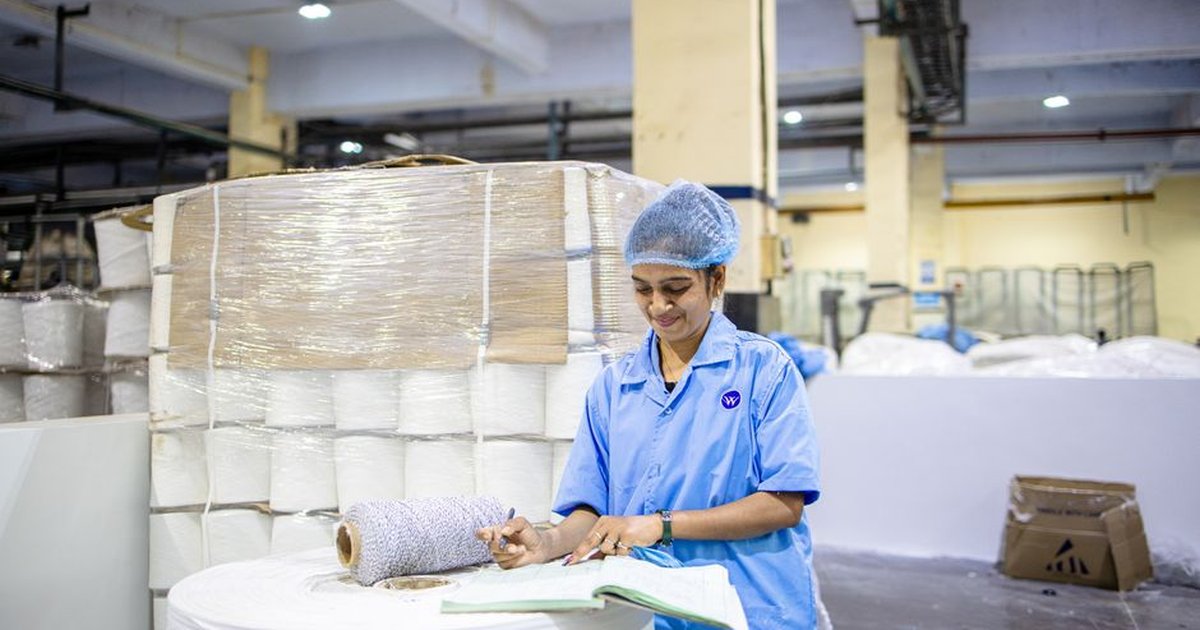
A paper bag converter asked us last week whether they had missed a filing deadline. A customer’s procurement note had said “submit your paper EPR registration number with the quote”, and the converter had spent two days looking for a portal that would take it. There is no such portal. The registration they were asked for does not exist, because the rule that would create it has not been notified.
This matters because the gap between what people believe is in force and what is actually in force has already produced confident, wrong advice across the industry. So here is the plain position, checked against the primary sources, and what a carry bag converter should actually do with it.
The short version
- Extended Producer Responsibility for paper packaging in India is a draft notification, not a law in force. The draft was issued by the Ministry of Environment, Forest and Climate Change in December 2024.
- As of October 2026, there is no final gazette notification, no CPCB paper EPR category, and no paper EPR return a converter can file. The live CPCB EPR portal covers plastic packaging only.
- Paper bag converters are not the obligated entity under EPR even once it commences. The obligation sits with the brand owner, importer, or producer (the PIBO). Converters sit in the data chain, not on the hook for the filing.
- Anyone selling you a “paper EPR registration” today is selling a service for a rule that has not started. Do not pay for it.
- The sensible move now is to build the supply-side data brands will ask for the moment the rule commences: recycled content per batch, mill chain of custody, and recyclability. That data is worth holding today regardless of EPR.
Is paper packaging EPR in force in India right now?
No. As of October 2026, EPR for paper packaging is not in force in India. It exists as a draft notification that the Ministry of Environment, Forest and Climate Change (MoEF&CC) released in December 2024 for public comment, and it has not been finalised or notified in the Gazette since. There is no commencement date in effect, no CPCB registration category for paper, and no annual return for a paper bag to file against.
The draft set a proposed commencement of 1 April 2026 when it was published. That date has passed without a final notification, which is exactly why the status is confusing: the proposed date is in the past, so people assume the rule started. It did not. A proposed date inside a draft is not a commencement; only the final notification carries that, and it has not been issued.
This is worth stating in writing because the opposite claim is circulating, including on pages that look authoritative. Treat any source that says “paper EPR is live” or “rules came into force in April 2026” as out of date until you can see a final Gazette notification number, not a draft S.O.
What did the 2024 draft actually propose for paper packaging?
The draft proposed to bring packaging made from paper, glass, and metal (plus sanitary products) inside the same EPR structure that already governs plastic. MoEF&CC published it in December 2024 under the Environment (Protection) Act, 1986, with a 60-day window for public comments. It would make producers, importers, and brand owners responsible for collecting and recycling the packaging they place on the market, with registration, recycled-content obligations, and annual returns, mirroring the plastic regime.
The headline numbers below are from the draft. They are proposals open to change on notification, not current obligations. Cite them as draft figures, never as law.
| Draft provision | What the draft proposed | Status |
|---|---|---|
| Issuing ministry | MoEF&CC, under the Environment (Protection) Act, 1986 | Draft, Dec 2024 |
| Comment window | 60 days from publication | Closed |
| Proposed commencement | 1 April 2026 | Passed without final notification |
| Recovery target, packaging paper | ~70% for FY 2026-27, rising in later years | Draft proposal only |
| Obligated entity | Producer, Importer, Brand Owner (PIBO) | Unchanged from plastic model |
According to analysis of the draft by Down To Earth, the proposed recovery rate for packaging-grade paper starts near 70% for 2026-27 and escalates in subsequent years, and the draft notably excludes writing and printing paper from the obligation. The exact escalation figure for later years differs between commentaries, which is another reason to wait for the notified text before quoting a precise 2028-29 number to a customer. For a fuller walkthrough of what the draft would require of a converter and how to get ready for it, see our companion guide on what the draft paper EPR rules would mean for converters. This post stays on the narrower question of what is actually in force today.
What EPR means
Extended Producer Responsibility (EPR) is a framework that makes the producer, importer, or brand owner financially and operationally responsible for the end-of-life of the packaging they put on the market: collection, recycling, and recovery targets enforced by the Central Pollution Control Board (CPCB). It is defined at more length in our paper converter glossary. For a bag converter the key point is that EPR attaches to the entity whose brand is on the product, not to the firm that manufactured the bag.
Why does the CPCB EPR portal have no paper option?
The CPCB EPR portal has no paper category because the portal implements the rules that are in force, and those cover plastic packaging only. When a rule is notified, CPCB builds the registration and return screens for it; until the paper rule is notified, there is nothing for the portal to implement. A converter who logs in today will find plastic packaging categories and no way to register “paper carry bags” as an EPR obligation.
The plastic side of the portal has in fact been busy in 2026, which adds to the confusion. CPCB consolidated its separate waste-stream portals on 28 June 2026, issuing a single Common EPR ID (CEPR ID) per entity across applicable streams. That consolidation is real and it is about plastic (and the other streams already notified). It is not evidence that paper has been switched on. If anything, it shows the mechanism that a notified paper rule would later plug into, not that it already has.
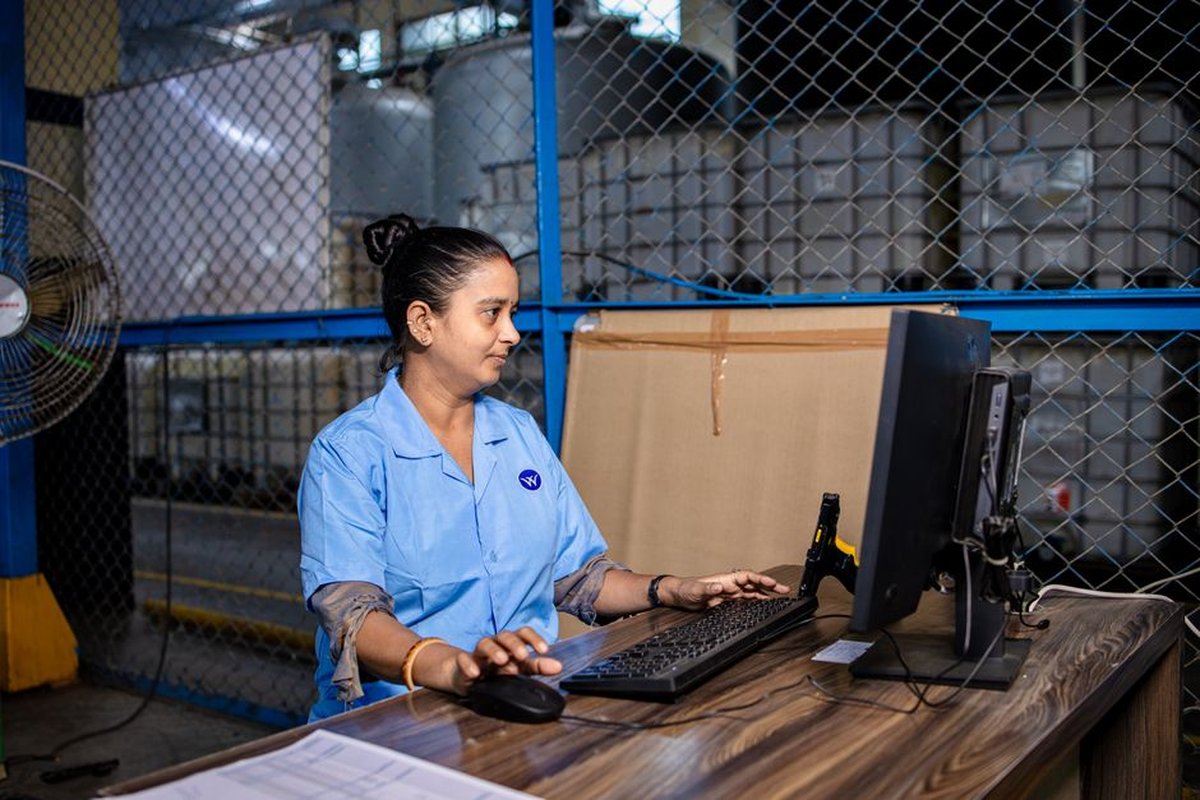
EPR returns, where they exist, are filed on the CPCB online portal, which currently has no paper packaging category.
Are paper bag converters the obligated entity under EPR anyway?
No. Even once the paper rule commences, a paper bag converter who manufactures to a customer’s order is not the obligated entity. The obligation falls on the PIBO, the producer, importer, or brand owner that places the branded packaging on the market. A converter supplying unbranded or brand-customer kraft paper bags is a step up the supply chain from the entity that has to register and file.
What the converter does sit inside is the data chain. When the rule commences, the brands you supply will need batch-level information to file clean returns: how much recycled fibre the paper carried, the mill source and its chain of custody, and whether the finished bag is recyclable in Indian municipal streams without a de-inking or coating complication. The converter who can produce that on letterhead becomes the easier supplier to keep on an approved panel. The converter who cannot becomes the one a brand quietly routes around once the filing pressure is real.
What a PIBO is
A PIBO is a Producer, Importer, or Brand Owner: the entity placing branded packaging on the Indian market, and therefore the one carrying the EPR obligation and filing the return. A paper bag converter is not a PIBO unless it retails its own brand. The distinction matters because it tells you which side of the filing you are on: converters supply the evidence, PIBOs submit the return.
What should a paper bag converter do before the rules are notified?
The most useful thing to do before commencement is to build the supply-side data brands will ask for anyway, so that nothing has to be scrambled together on the day the rule starts. None of the five steps below depends on the paper rule being in force; each one earns its keep today on customer audits and tenders.
- Watch the Gazette, not the trade blogs. The only event that changes your obligations is a final notification. Set a watch on the MoEF&CC notifications page and the CPCB site, and ignore “EPR is live” headlines until a notification number appears. One check a month is enough.
- Build a recycled-content record per batch. A register that ties each mill input certificate to the outbound dispatch is the evidence base for any future declaration, and it already answers the recycled-content question tier-1 and export customers ask now. Build it before you need it.
- Formalise mill chain of custody. FSC or PEFC chain-of-custody documentation on the kraft grades you run is requested by many brand customers today, independent of EPR. It is also what will make any future recycled-content claim defensible rather than assertion.
- Write a recyclability statement for each bag construction. Straightforward for uncoated kraft; it gets harder the moment a PE coating, lamination, or hot-melt adhesive enters the build. Knowing which of your SKUs are cleanly recyclable is useful commercial information regardless of the rule.
- Do not buy a “paper EPR registration”. There is no paper registration to obtain, so any paid service offering one cannot deliver it. Keep the budget; redirect it to the data work above, which is real.
The converters who treat the pre-notification period as preparation time, rather than either panic or denial, will be the ones who can answer a brand’s first post-notification data request in an afternoon instead of a month.

A hand-kept batch register that ties mill input to outbound dispatch is the evidence base for any future recycled-content declaration.
What if you also place plastic packaging on the market?
If your business also places plastic packaging on the market (plastic liners, poly mailers, shrink film, or your own branded plastic), then you may already be a PIBO under the plastic rules, which are in force, and that is a live obligation with real deadlines. This is a common blind spot for converters who think of themselves as “a paper business” but ship some plastic alongside it.
The plastic regime runs on the consolidated CPCB portal described above. For the current cycle, CPCB set annual return deadlines of 31 October 2026 for plastic waste processors and 31 December 2026 for PIBOs, after the portal consolidation disrupted the plastic return module earlier in the year. If any part of your output or your own operations puts plastic packaging into the market, check whether you are registered and in-cycle on the plastic side now, rather than waiting for the paper rule that has not started.
The practical risk is reversed from what most converters expect: the exposure that exists today is on plastic, not paper. Paper is the one people are worried about and the one that is not yet in force.
Paper EPR vs plastic EPR: what applies to a bag converter today
Here is the state of play as a converter should file it mentally. The scoring reflects how much each stream should occupy your attention this quarter, not its eventual importance.
| Posture | What it is | Setup effort | Compliance risk today | Priority now (of 5) |
|---|---|---|---|---|
| Wait and watch (paper) | Monitor the Gazette; build data in the background | Low | Low, nothing is in force to breach | 3 |
| Prepare the data chain (paper) | Recycled-content register, chain of custody, recyclability per SKU | Medium | Low now, protects you at commencement | 5 |
| Pay for “paper EPR registration” now | A service for a rule that has not started | Wasted spend | N/A, buys nothing | 0 |
| Reconcile plastic EPR (if you place any plastic) | Register/verify in-cycle on the live CPCB portal | Medium | High if ignored: this one is law | 5 |
Read it this way: the two things worth your time this quarter are preparing the paper data chain and reconciling any plastic obligation you already carry. The paper registration service is a zero. Waiting-and-watching is fine as long as the data work happens alongside it.
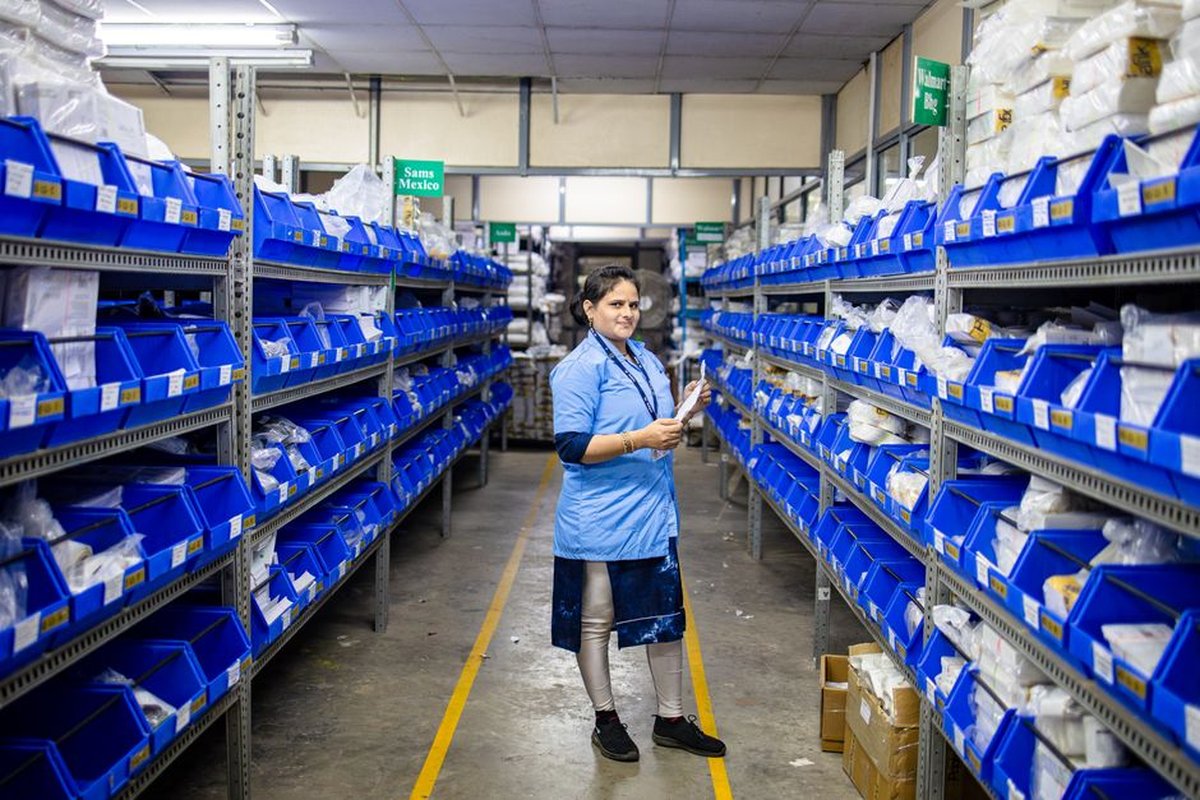
Stock traceability for retail brand customers is useful now and becomes essential the day a paper rule commences.
How this connects to the rest of your compliance stack
None of the preparation above is new work invented by EPR. A converter already verifying every base paper batch against burst factor, tear index, and porosity and running a structured base paper procurement checklist is already capturing most of the mill data a future EPR declaration needs. The recyclability question is the same one that governs food-grade compliance for paper bags once coatings and inks enter the build.
It is also worth separating EPR from the BIS question, because converters routinely conflate the two. There is no BIS specification for paper carry bags and no lawful ISI mark on one, a point we have had to correct more than once, and EPR will not change that. For converters already running compostable or agri-residue grades such as bagasse, the eventual paper rule is likely to treat compostable constructions differently from wood-pulp kraft, but that treatment lives in the notified text, which does not yet exist.
Frequently asked questions
Is paper EPR mandatory for converters in India in 2026?
No. There is no mandatory paper EPR obligation on anyone in 2026, because the paper packaging EPR rule is still a draft and has not been notified. When it does commence, the obligation will fall on the PIBO (the brand, producer, or importer), not on the paper bag converter manufacturing to order. Converters supply the data; PIBOs file the return.
Do I need to register on the CPCB EPR portal for paper carry bags?
Not for paper. The CPCB EPR portal has no paper packaging category because the paper rule is not in force. You can only register a plastic obligation there today. If a customer asks for your “paper EPR registration number”, the accurate answer is that no such registration exists yet under Indian law.
When will paper packaging EPR come into force in India?
There is no confirmed date. The 2024 draft proposed 1 April 2026, but that date passed without a final notification, so it no longer applies. The rule commences only when MoEF&CC issues a final Gazette notification. Until that number exists, any specific “start date” being quoted is a draft proposal, not a commitment.
What recycled content will paper carry bags need under EPR?
The draft proposed recovery targets for packaging paper starting near 70% for 2026-27, but those are draft figures and the final obligated percentages, if any, will be set in the notified rule. Do not quote a fixed recycled-content requirement to a customer as current law. None is in force for paper.
Should I pay a consultant to get me “EPR compliant” for paper now?
Be cautious. There is no paper EPR registration to obtain and no paper return to file, so a service promising “paper EPR compliance” today cannot deliver a registration or a filing. What is worth paying for is the underlying data work (recycled-content records, chain of custody, recyclability statements), which holds its value on customer audits now and makes you ready the day the rule commences.
I also place some plastic packaging. Does that change things?
Yes, and this is the part most paper converters miss. Plastic EPR is in force, with live registration and annual returns on the consolidated CPCB portal. If your operations put any plastic packaging on the market, you may already be an obligated PIBO on the plastic side with real deadlines, independent of anything happening with paper.
Last reviewed: October 2026
If you are preparing the supply-side data your brand customers will ask for (recycled-content figures, mill chain of custody, and recyclability by construction), it helps to source base paper from a mill route that can document all three cleanly. Our technical team can match a food-grade kraft grade to your converting line and supply the batch test data and chain-of-custody records alongside it; spec-sheet PDFs for each grade are available to download on our food wrap and carry range. Where a grade or a claim does not fit your construction, we will say so. For a specific question about documentation or a sample evaluation, talk to our technical team.
Browse all Pakka articles.
You may also like
