How Indian Paper Bag Converters Can Win Export Orders: Markets, Buyers, and Pricing

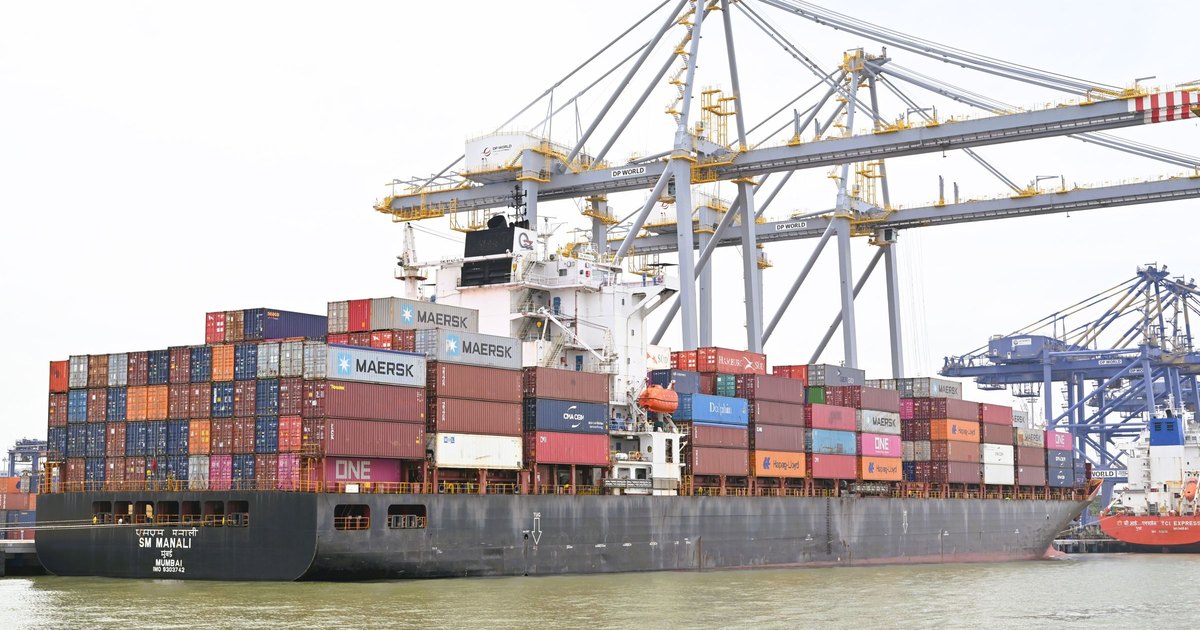
Winning an export order for paper bags is a commercial exercise, not a certification one. Most Indian converters who never ship abroad assume the barrier is a stack of paperwork. It is not. The barrier is knowing which markets pay for what you already make, how their buyers find suppliers, and how to quote a price that survives ocean freight and a dollar-rupee swing without eroding your margin. India already exports a large volume of paper: US$2.58 billion of paper, paperboard and paper articles left the country in 2024, according to UN COMTRADE data. The opportunity is real, and it is not reserved for the largest mills.
This guide covers the commercial side: where the demand sits, how overseas buyers evaluate an Indian paper bag supplier, and how to build an export quote that holds. The compliance side (FSC, PFAS-free declarations, food-contact evidence) is a separate discipline, and we treat it as one here rather than repeat it. If you have not built that evidence file yet, start with the export-readiness compliance checklist and come back to the questions below.
Which export markets buy Indian paper bags?
The strongest export markets for Indian paper carry bags are the USA, the Gulf, the EU, the UK, and parts of Africa, and each rewards a different strength. For select paper grades in FY2024-25, the top three destinations were the USA at 19.3 per cent, the UAE at 12.3 per cent, and Sri Lanka at 6.6 per cent, per CRISIL Intelligence data. The Gulf buys on price and lead time and forgives a lower certification bar; the EU pays more but demands FSC and deforestation-regulation due diligence; the UK sits between the two; Africa buys volume kraft with the thinnest documentation. Matching your capability to the market that rewards it is the first decision, before any sample ships.
The demand behind these markets is structural, not a fad. The global paper bags market was valued at US$6.2 billion in 2025 and is forecast to reach US$8.8 billion by 2034, a compound annual growth rate of 3.73 per cent, on IMARC Group figures. Underneath that number sits a regulatory push in the exact markets that pay best: the EU is phasing out single-use plastic carrier bags under Directive (EU) 2019/904, and its new packaging rules apply from 12 August 2026.
The table below scores the main destination clusters on the four axes that decide whether an order is worth chasing. Scores are directional, drawn from converter export experience rather than a single index, so treat them as a starting filter, not a ranking to trust blindly.
| Market cluster | Demand for paper bags | Price realisation | Certification bar | Logistics and lead time | Best fit for |
|---|---|---|---|---|---|
| USA | Medium to High | High | Medium (PFAS-free) | Long (25 to 35 days) | Food-grade, PFAS-free grocery and QSR bags |
| GCC / Middle East | High | Medium | Low to Medium | Short (7 to 14 days sea) | Cost-competitive kraft, fast turnaround |
| EU (Germany, Netherlands, France) | High | High | High (FSC plus EUDR) | Long (20 to 30 days) | Certified, printed, premium retail bags |
| UK | High | Medium to High | Medium to High | Long (18 to 25 days) | Branded retail and food-service bags |
| Africa (East and West) | High | Low | Low | Medium | High-volume plain kraft, price buyers |
| Australia / NZ | Medium | High | Medium to High | Long | Niche premium and compostable-positioned bags |
The reading is not “chase the highest price realisation”. It is “chase the market whose bar you can already clear”. A converter running unbleached kraft paper bags on a semi-automatic line with no forest certification will win in the Gulf and Africa long before Germany. A converter with FSC chain-of-custody, food-grade evidence, and clean flexo print should aim at the EU and UK, where that evidence commands a premium the Gulf will not pay for. Your base paper sourcing decision feeds directly into which of these markets you can price competitively into.
What do overseas buyers actually ask an Indian paper bag supplier for?
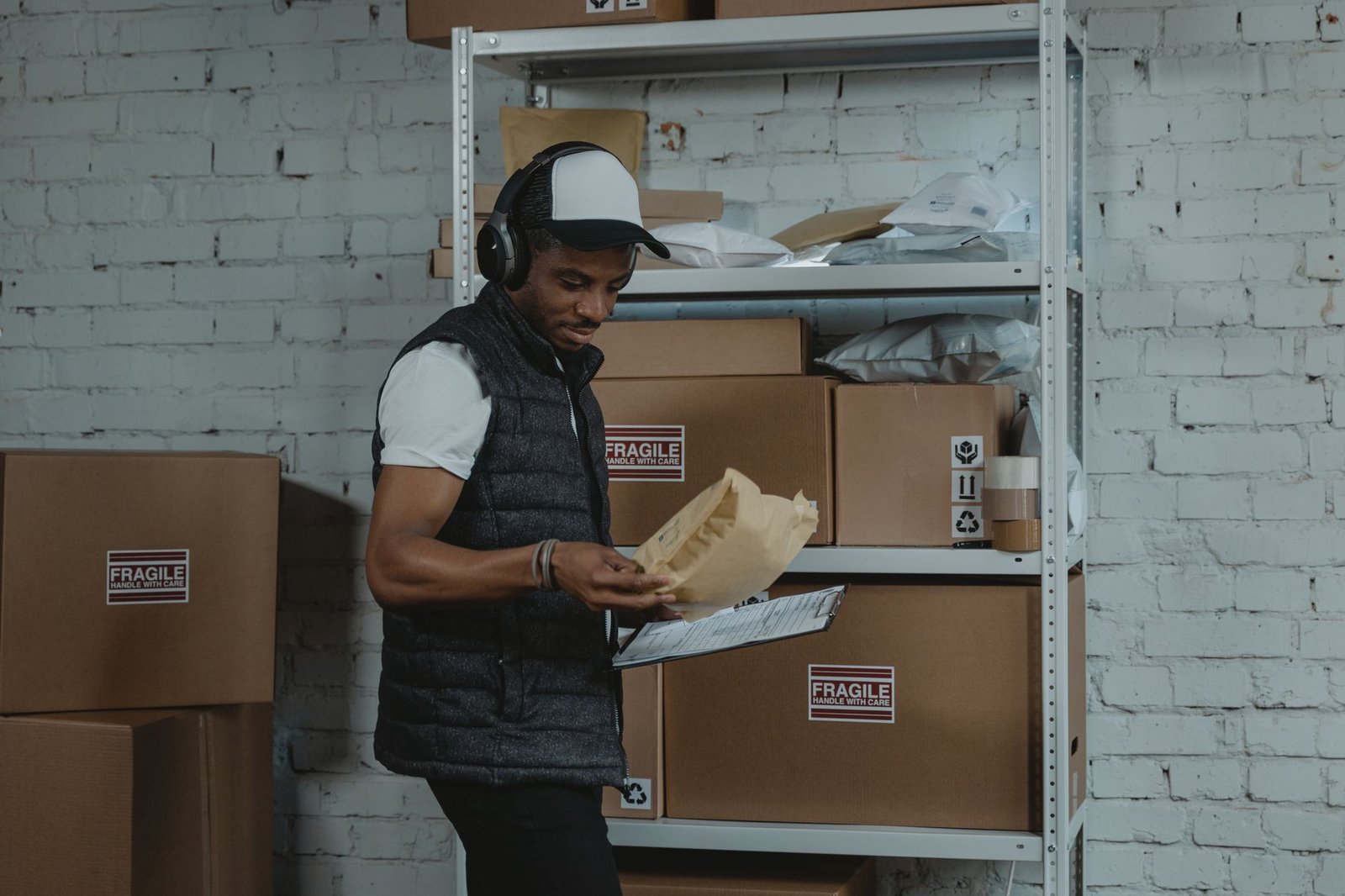
Overseas buyers evaluate a new Indian supplier on evidence, sampling, and reliability, roughly in that order, and almost all of it can be assembled before the first enquiry lands. An importer or brand buyer works through a predictable sequence, and the converters who turn enquiries into orders are the ones who answer it without a three-week delay each time. Treating the enquiry as a scramble each time is what loses the order; treating it as a file you keep current is what wins it.
A typical buyer due-diligence sequence runs:
- Capability proof. A machine list, monthly capacity, the bag formats and GSM range you run, and reference customers.
- Sample against their artwork. A physical sample matched to their dimensions, handle type, print, and substrate, couriered at your cost.
- Compliance evidence. Forest certification (FSC or PEFC chain-of-custody), food-contact declarations where relevant, and a PFAS-free statement for the US and EU.
- Commercial terms. Price on a named Incoterm, minimum order quantity, lead time, and payment terms.
- A trial order. Usually a single container or part-container before any volume commitment.
The evidence in step 3 is a gate, not a differentiator: it does not win the order, but its absence loses it. Where your fibre is FSC-certified and your buyer sells into the EU, the Deforestation Regulation trail becomes part of that file too. The EUDR now applies from 30 December 2026 for medium and large operators, and 30 June 2027 for small and micro operators, after a further one-year postponement under Regulation (EU) 2025/2650. Paper and paperboard are in-scope commodities, so an EU-facing converter should build the due-diligence trail now rather than wait for the date.

How do you find and reach export buyers?
Indian paper bag exporters reach buyers through four channels: export-promotion councils, international trade fairs, B2B marketplaces, and direct outreach to brands and importers. Each has a different cost, speed, and quality of lead, and a converter starting out should not rely on only one.
Your entry point to the formal export system is an export promotion council. CAPEXIL, the Chemicals and Allied Products Export Promotion Council set up by the Ministry of Commerce and Industry in 1958, runs a dedicated Paper panel and issues the Registration-cum-Membership Certificate (RCMC) that registers you as an exporter. That certificate is the gateway to Foreign Trade Policy incentive schemes, council buyer-seller meets, and subsidised participation in trade delegations.
- Export promotion councils. Registering gives you an RCMC, access to buyer-seller meets, and eligibility for export incentive schemes. For paper products this is the route into government-organised trade delegations and subsidised fair participation.
- International trade fairs. Packaging and sustainability fairs in the Gulf, Europe, and Southeast Asia put you in front of importers who are actively sourcing. A shared council pavilion keeps the cost of a first outing down.
- B2B marketplaces. Global sourcing platforms generate volume enquiries, many low-intent, but they are how a lot of Gulf and African buyers find first suppliers. Treat them as a top-of-funnel filter, not a closing channel.
- Direct outreach. The highest-quality orders come from approaching brands, importers, and packaging distributors in a target market directly, with a sample and a clear spec. Slow to build, but the margins and repeat rates are the best of the four.
The honest sequence for most converters is: register with the council, use it to get onto one subsidised fair, convert those contacts into direct relationships, and use marketplaces only to keep the top of the funnel full.
How should you price a paper bag export order?
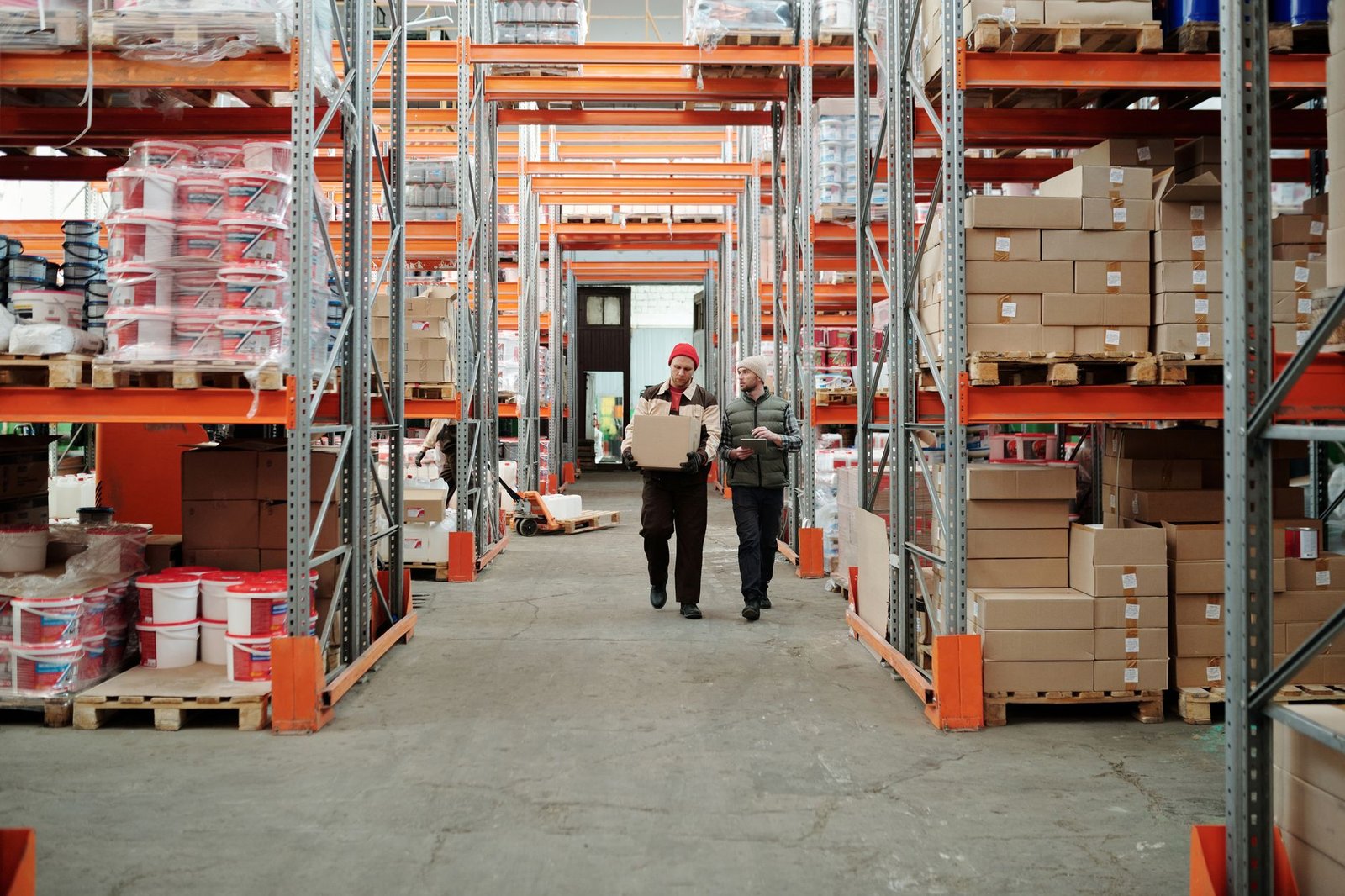
Export pricing starts from your ex-works cost and adds every step to the buyer’s named delivery point, quoted on a specific Incoterm so both sides know exactly where your responsibility ends. The single most common mistake a first-time exporter makes is quoting a domestic price and treating freight as an afterthought. Freight, insurance, and handling are not an afterthought to the quote. They are the quote, and leaving them vague is how an export margin disappears between the yes and the invoice.
An Incoterm is a standard three-letter trade term, published by the International Chamber of Commerce, that defines which costs and risks the seller carries and where they transfer to the buyer. Quoting “per bag” without one is meaningless in an export context.
The three that matter for a paper bag converter:
- EXW (Ex Works). The buyer collects from your factory gate and carries all cost and risk from there. Simplest for you, least attractive to a buyer who does not know Indian logistics.
- FOB (Free on Board). You deliver, cleared for export, onto the vessel at the Indian port. This is the most common basis for a first export order, and the one most buyers expect to compare.
- CIF (Cost, Insurance and Freight). You cover carriage and insurance to the destination port. Higher headline price, but easier for a buyer who wants a landed comparison.
Your landed cost to quote FOB or CIF builds up in layers, and each one has to be in the number before you send it:
- Ex-works cost per bag: base paper, conversion, print, handle, overhead, and margin, built on the same costing discipline as a domestic contract with export documentation added.
- Inland freight to the port and terminal handling.
- Export documentation, customs clearance, and any inspection.
- Ocean freight to the destination port (for CIF).
- Marine insurance (for CIF).
- A currency buffer, because you are quoting in USD or EUR and costing in INR, and the order may ship 60 to 90 days after you quote.
On payment terms, a first-time overseas buyer and a first-time Indian supplier are both managing risk. An irrevocable letter of credit protects both sides; a partial advance with the balance against shipping documents is common once trust is built. Quoting a firm price with a 30 to 45 day validity, and re-confirming before a delayed order ships, protects you from the pulp-price and freight-rate movements that can wipe out an export margin between quote and dispatch.
Where exporting does not make sense
Exporting is the wrong move for some converters, and it is worth saying so plainly. If your line runs below roughly a container a month of spare capacity, the fixed cost of certification, sampling, and export documentation will not pay back against one or two small orders, and you are better consolidating domestic QSR and retail contracts first. If your only substrate is low-grade recycled kraft with inconsistent burst and porosity, you will fail the sample stage in every premium market and compete only on price in the ones that forgive it, where ocean freight often erases the advantage. And if you cannot hold GSM and print registration tolerances across a full production run, a repeat export relationship will surface that inconsistency faster than any domestic buyer would. Export is a scaling move for a converter who already runs a stable, certified, consistent operation, not a rescue for one that does not.
For converters who do clear that bar, the substrate underneath the bag decides how many of these markets you can actually enter. Food-grade sizing, a Cobb value that survives a humid container, consistent GSM reel to reel, and FSC-certified fibre are what let one bag qualify for the Gulf and the EU at once. Pakka’s food wrap and carry paper grades are specified around exactly those export requirements, and matching a grade to a target market is the kind of question our technical team answers before you commit to a sample run.
Last reviewed: September 2026
Frequently asked questions
Which countries import the most paper bags from India?
For select paper grades in FY2024-25, India’s top export destinations were the USA (19.3 per cent), the UAE (12.3 per cent), and Sri Lanka (6.6 per cent), on CRISIL Intelligence data, and the same USA-Gulf pattern holds for paper carry bags. The Gulf and Africa buy on price and short lead times; the USA, EU, and UK pay more but expect forest certification and, for food-contact bags, PFAS-free and food-grade evidence.
Do I need FSC certification to export paper bags from India?
Not for every market. The Gulf and much of Africa will buy uncertified kraft bags. But the EU, UK, and most multinational brand buyers treat FSC or PEFC chain-of-custody as a non-negotiable procurement requirement, and EU buyers increasingly need deforestation-regulation due diligence on the fibre. Certification is a market-access gate for premium destinations, not a universal export requirement.
What Incoterm should a first-time paper bag exporter quote?
FOB (Free on Board) is the most common and expected basis for a first export order. You deliver the goods, cleared for export, onto the vessel at an Indian port, and the buyer takes cost and risk from there. It lets buyers compare Indian suppliers on a like-for-like basis. Offer CIF as well if the buyer wants a landed-cost comparison to the destination port.
How do I find export buyers for paper carry bags?
Register with CAPEXIL to get an RCMC and access to buyer-seller meets and subsidised trade fairs; exhibit at a packaging or sustainability fair in a target region; use B2B marketplaces for top-of-funnel enquiries; and approach brands, importers, and packaging distributors in your target market directly with a sample and a clear specification. Direct relationships yield the best margins and repeat rates.
How far ahead should I fix an export price?
Quote a firm price with a validity of 30 to 45 days and build a currency and freight buffer into it, because an export order often ships 60 to 90 days after you quote. Re-confirm the price before a delayed order dispatches. Pulp-price and ocean-freight movements between quote and shipment are the most common causes of a lost export margin.
Ready to match a paper grade to the export market you are targeting? Explore Pakka’s food wrap and carry paper range, where spec-sheet PDF downloads set out the food-grade, GSM, and Cobb-value specifications export buyers ask for. For a grade-to-market recommendation or a technical query on a specific destination, talk to our technical team.
Browse all Pakka articles.
You may also like
