Confectionery Wrap Substrates: Dead Fold, Grease, and Print on Paper, and the One Property Nobody Puts a Test Method Against

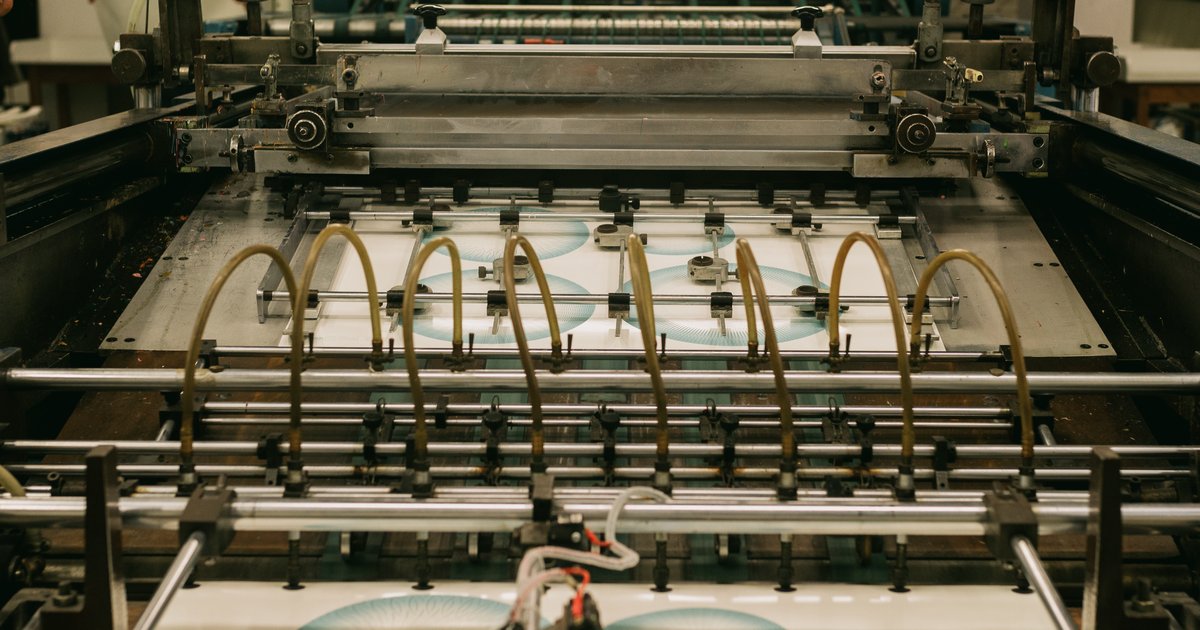
A confectionery wrap substrate has three jobs: hold a fold or a twist without springing open, hold cocoa butter and hard fat at the crease where a coating is most likely to crack, and carry a print that survives winding and twisting. Dead fold decides whether the pack stays shut, and it is the one property that arrives on most specifications with no test method attached.
That gap is not a supplier’s oversight so much as an industry habit. Grease has TAPPI numbers, print has smoothness and ink standards, and dead fold has a phrase. What follows sets out what each of the three properties actually demands of the base sheet, which measurements belong on the specification, and where paper stops being the right answer.
This is written for the converter or coater who buys the reel and turns it into a twist wrap, a fold wrap or a flow wrap, and for the technical procurement head who has to sign off a new base without a trial line to hand. It is not written for the brand owner deciding how the sweet should look on the shelf. The barrier and shelf-life questions a chocolate brand asks are covered in our companion piece on what a chocolate wrapper is actually fighting; this piece stays on the substrate side of that conversation.
What is a confectionery wrap substrate actually being asked to do?
A confectionery wrap substrate is the base sheet, usually paper between about 35 and 50 g/m², that a converter waxes, coats, metallises or prints and then runs on a twist wrapper, a fold wrapper or a flow wrapper. Its job is mechanical before it is anything else. It has to stay closed, and it has to open without leaving fibre on the sweet.
The reason the mechanical job comes first is the machine. A twist wrapper closes the pack by rotating the two ends of a sheet around the sweet, and nothing seals. There is no heat, no adhesive and no jaw. The only thing keeping a twist-wrapped toffee wrapped is the material’s own refusal to unwind. A fold wrap on a chocolate bar is the same principle with a crease instead of a twist. Flow wrap is the exception, where the pack is closed by a cold seal and the substrate’s job shifts to carrying that adhesive.
The line speeds involved are the proof of how demanding this is. adapa Group’s paper-based twist wrap, launched in October 2023, is described as running at 2,300 pieces per minute on the fastest twist wrappers on the market, in the 40 to 50 g/m² range, as single or double twist and for folding (adapa Group, PaperTwister(re) announcement, 4 October 2023). delfort’s thintwist twisting papers sit lighter still, at 35 to 45 g/m², and are sold as base papers for waxing (delfort, Candy Paper and Twisting Papers). Both producers lead with dead fold and runnability rather than with a barrier claim, and that ordering tells you what the wrapper cares about.
The four formats ask for different things from the same family of paper, and a specification that does not name the format is not really a specification.
| Format | How it closes | What the substrate must do first | Typical structure |
|---|---|---|---|
| Twist wrap (single or double) | Ends rotated around the sweet, no seal | Hold the twist; release cleanly from a sticky sweet | Waxed or coated paper, 35 to 50 g/m²; metallised variants |
| Fold wrap (chocolate bar inner) | Creased and tucked, held by an outer sleeve | Hold a sharp crease; keep grease from staining the sleeve | Waxed or greaseproof paper; foil or metallised paper |
| Bunch wrap | Gathered and pinched over the top | Hold a gathered pleat without tearing | Waxed glassine or thin MG paper |
| Flow wrap | Longitudinal fin seal and two end seals | Carry a cold seal on the inside and a release face outside | Paper with cold seal adhesive and release lacquer, or a paper and film laminate |
The dead fold the table keeps returning to is a material’s tendency to stay folded where it is creased, without springing back. Paper and aluminium foil have it. Most plastic films do not, which is why oriented films need a specific twist grade or a dead-fold additive to run on a twist wrapper at all. The paper converter glossary defines the other test terms used below.
Why does dead fold decide whether a paper twist wrap stays closed?
Dead fold decides the outcome because a twist wrap has no seal, so the twist either holds or the sweet falls out. Paper holds a fold through plastic deformation of its fibre network: the crease breaks and re-forms hydrogen bonds at the fold line, and the sheet has no elastic memory to pull it back. A film, by contrast, stores the folding strain and releases it.
The mechanism is what makes grammage and coating decisions matter. A heavier sheet has more fibre to deform and holds a crease more firmly, but it is also stiffer to twist and costs more per thousand pieces. A wax or a dispersion coating stiffens the surface and generally improves twist retention, while also changing how the wrap opens. Metallising adds a thin aluminium layer that helps dead fold as foil does. Each of these is a trade against something else, usually cost or grease behaviour, which is why the format table above matters.
The proof that dead fold is measurable, even though nobody standardised it for paper, sits in the patent literature. A polyester film patent assigned to what is now SK Microworks describes the test in full: a 10 cm by 1 cm strip is folded, a pressure of 30 psi is applied to the fold for 3 seconds at 23 to 25 °C, the strip is stood vertically for one hour, and the opening angle is measured. Dead-fold retainability is then calculated as (180 − θ) × 100 / 180, and the patent states plainly that below 60 per cent “the twist wrapping property becomes unsatisfactory” (US Patent 6,902,819, Biaxially oriented polyester film). Worked through, a strip that springs open to 30 degrees scores 83 per cent and will twist; one that opens to 80 degrees scores 56 per cent and will not.
That is a film test, and it is worth being honest about what exists for paper. TAPPI and ASTM publish a folding endurance method, the MIT tester in ASTM D2176, but folding endurance measures how many times a sheet can be folded before it breaks, not whether it stays folded. There is no TAPPI or ISO method we can point to that carries the name dead fold for paper. In practice a converter tests it on the wrapper: run a reel, count the unwinds per thousand, and set the acceptance level from that. If a supplier quotes you a dead fold number, ask which procedure produced it, because the number means nothing without the fold pressure, the dwell and the recovery time.
How does a confectionery wrap hold grease from cocoa butter and hard fat?
A confectionery wrap holds grease either structurally, through a dense greaseproof or glassine sheet with almost no void path for oil to travel along, or with a layer on top: wax, a dispersion coating or a metallised face. The two routes fail differently at the crease, and the crease is where a twist wrap or a fold wrap is most exposed.
Chocolate, toffee and butter-based sweets carry fat that migrates outward at ambient Indian temperatures, and grease staining on the printed face is the first visible defect a brand owner will reject. A structural greaseproof sheet resists that migration everywhere, including at the fold, because there is no coating to crack. A coated MG paper resists it only where the coating is intact. Fold a coated sheet sharply and the coating can craze along the crease line, and the fat finds the crease. Coated wraps are still the right answer for plenty of sweets. They just have to be grease-tested on a creased sample as well as a flat one, because the flat result is the one the certificate reports and the creased one is the one the customer sees.
The test methods are the same ones that govern any grease-resistant paper, and the choice between them depends on the mechanism. TAPPI T 454, the turpentine test for voids in glassine and greaseproof papers, is written for the structural route and measures how long dyed turpentine takes to penetrate the sheet through sand. TAPPI T 559, the Kit test, is written for surface-treated sheets and rates them from 1 to 12 against progressively more aggressive castor oil, heptane and toluene mixtures. Our note on grease and moisture in dry food liner paper sets out both methods in detail and why quoting the wrong one produces a number that is technically correct and practically useless.
Indian regulation names the structural grade directly. Schedule I of the Food Safety and Standards (Packaging) Regulations, 2018 lists the Indian Standards a paper in contact with food is to conform to, and the first entry is greaseproof paper, IS 6622; the list also carries IS 7161 for vegetable parchment or greaseproof paper or aluminium foil laminate and IS 6615 for general purpose packing or wrapping paper, and it adds that wax used for coating the paper “shall be paraffin wax conforming to Type I of IS 4654” (FSSAI, Packaging Regulations 2018, Regulation 4(1)(d) and Schedule I). If you wax a confectionery wrap for the Indian market, the wax grade is not a free choice.
Where paper stops holding is temperature. A hard fat that has melted and re-set will wick through a structural greaseproof grade over a long shelf life, and no paper on its own stops moisture vapour. Where the product needs a real moisture barrier, the answer is a coating or a laminate, not a heavier paper, and at that point the sheet underneath becomes a coating base rather than a finished wrap.
What does printing on a 35 to 50 g/m² wrap demand of the base sheet?
Printing a confectionery wrap demands a smooth, closed and opaque surface on a sheet thin enough to twist, which is why the base is usually machine glazed. An MG paper is dried against a large polished steam-heated cylinder so that one face comes off the machine glossy and closed while the other stays matt, and the print goes on the glazed face.
Smoothness decides ink transfer and dot fidelity in both flexo and gravure, and it is measured by Bekk (ISO 5627) or Parker Print-Surf (ISO 8791-4). Opacity decides whether the print on a thin wrap shows the sweet through it, and at 35 to 45 g/m² a plain sheet is translucent. delfort describes its twisting papers as “highly opaque after waxing”, which is the point: a wax or a coating fills the sheet and raises opacity, so the print performance a converter sees is a property of the finished structure, not of the bare base (delfort, thintwist). adapa’s paper twist wrap is printed in up to eight colours, which is a normal brand palette for the category and a demanding one for a sheet that thin (adapa Group, October 2023).
Ink on a food wrap is regulated as well as specified. IS 15495:2020, Printing Ink for Food Packaging, Code of Practice, excludes toluene and phthalates and caps the sum of lead, cadmium, mercury and hexavalent chromium in the ink at 100 parts per million, and it carries the design instruction that printing should not occur in areas which, by folding, come into contact with food. On a twist wrap the folded ends are exactly such an area, so the print layout has to respect the twist zone. Our converter-side guide to food-contact compliance for coated paper in India covers the migration testing and the certificate a brand owner will ask for; the ink adhesion and substrate preparation note in our converters series covers the press-side variables that carry across from bags to wraps.
The thing print exposes that flat-sheet testing does not is set-off. A printed wrap is wound on itself under tension for its whole reel life, so the printed face sits against the face that will touch the sweet. Ink that is not fully cured or a wax that is soft at warehouse temperature transfers, and the defect is discovered on the wrapper, not on the press.
Can a paper wrap run on a high-speed twist wrapper without tearing or unwinding?
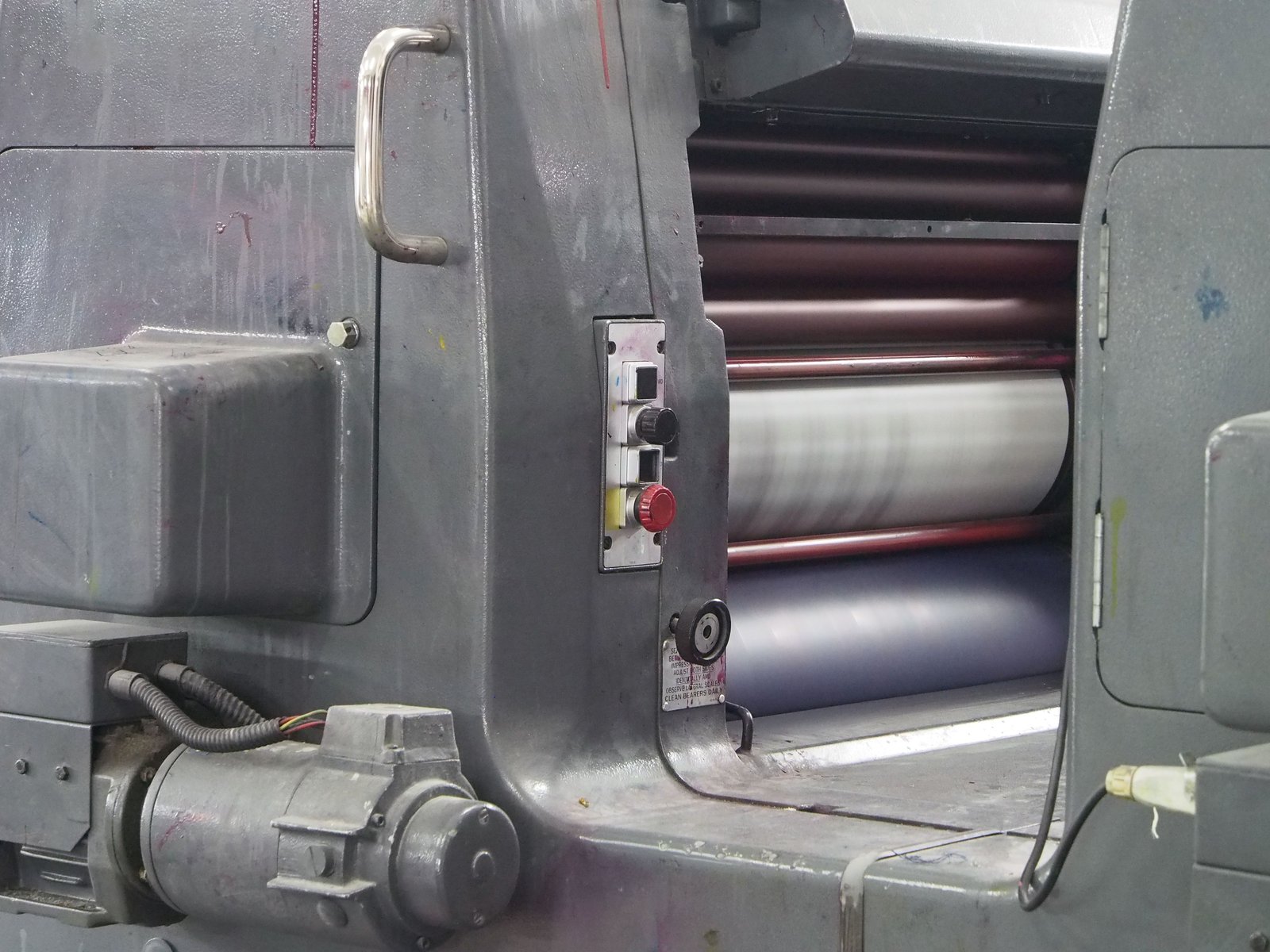
Yes, and the commercial paper twist wraps prove it, but only within a narrow window that the base sheet sets. Tearing at the twist is a tensile and tear problem in the sheet; unwinding is a dead fold problem in the finished structure; and both get worse as grammage falls and as the machine speeds up.
The window is narrow because the twist applies a torsional load to a small area of a thin sheet at a rate of several thousand cycles a minute. adapa’s figure of 2,300 pieces per minute on a 40 to 50 g/m² paper is a statement that the sheet survives that load; the mechanism behind it is a base with adequate cross-direction tear, even formation so there are no thin spots to start a tear, and a coating that adds twist retention without making the sheet brittle at the crease. Machine-direction and cross-direction tensile, measured to TAPPI T 494, and Elmendorf tear, TAPPI T 414, are the numbers to carry on the specification; formation is the property to inspect, because a poor look-through is the earliest warning of twist tears on the wrapper.
Two failures rarely show up on a datasheet: static and release. A dry, thin, waxed paper builds static on a fast wrapper and sticks to the feed rather than the sweet. A sticky sweet, a boiled sweet in a humid room for instance, pulls fibre from the wrap on opening unless the inner face releases, which is what the easy-release feature on the adapa material is for. Neither is a routine paper test, and both are reasons the qualification that counts is a reel on the wrapper rather than a sheet in the laboratory.
Where the paper honestly does not run is below its strength floor. A converter moving from a 50 g/m² waxed glassine to something lighter will see the tear rate rise before the dead fold changes, and the temptation is to compensate with wrapper tension, which makes it worse. The porosity and air permeability of the base matters here too, in a way that is easy to miss: an open sheet absorbs more wax, which changes its stiffness and its opacity, so the same nominal grammage from two mills can twist quite differently after waxing.
Which wrap structures do the same job, and what does each give up?
No single structure wins on all four properties. Waxed glassine and waxed MG paper are the incumbent twist and fold wraps; a dispersion-coated paper is the recyclable route that is displacing wax; metallised paper and foil own the premium fold wrap; and PET, PP or PVC twist film is what the format table in FSSAI’s own regulation names first. Each gives up something.
| Structure | Dead fold | Grease at the crease | Print surface | Closure | End of life | Where it fits |
|---|---|---|---|---|---|---|
| Waxed glassine or greaseproof, 35 to 50 g/m² | Good; wax adds twist retention | Good; structural resistance survives the fold | Adequate; glassine is smooth but low in opacity until waxed | Twist or fold, no seal | Paraffin wax resists repulping in a conventional mill | Toffee, hard-boiled sweets, bar inner wraps |
| Waxed MG paper | Good | Depends on wax coverage at the crease | Good on the glazed face; high opacity | Twist or fold | As above | Value twist wraps, bunch wraps |
| Dispersion-coated paper (plant-based or aqueous coating) | Good; coating stiffens the surface | Good if the coating survives creasing; test on a folded sample | Good | Twist, fold, or flow wrap with cold seal | Certifiable as repulpable under the Cepi method where the coating disperses | The recyclable replacement for waxed paper |
| Metallised paper or foil laminate | Excellent; aluminium holds any crease | Excellent | Excellent gloss | Fold wrap; twist with a paper carrier | Aluminium layer is a reject in fibre recycling | Premium chocolate bar inners, seasonal lines |
| PET, PP or PVC twist film | Poor unless a twist grade with additive; PVC twists well | Complete; film is a fat barrier | Excellent; reverse-printable | Twist | Plastic stream; not fibre-recyclable | Where transparency is the selling point |
Two rows in that table need their evidence stated. The Cepi recyclability test method, Version 3 of February 2025, measures a material’s behaviour in a conventional recycling mill: the coarse reject retained on a 5 mm hole plate after disintegration, the fine reject on a 150 µm slot, sheet adhesion, and visual impurities, and it computes a total screening reject as the coarse reject plus 0.9 times the fine reject (Cepi, Harmonised European laboratory test method, Part I, Version 3, February 2025). adapa’s paper twist wrap is described as 90 per cent paper with a plant-based coating and certified as repulpable under that Cepi standard (adapa Group, October 2023), which is the clearest public demonstration that the wax layer can be replaced without losing the twist.
The cold seal row is the one converters entering flow wrap most often underestimate. Cold seal adhesives are natural rubber latex systems applied wet by a gravure cylinder in a registered pattern and dried in an oven, and they bond to themselves under pressure alone, which is why chocolate, which cannot pass under a heated jaw, is flow-wrapped with them. A UK formulator quotes press speeds above 300 metres per minute and coat weights as low as 3 g/m² for the adhesive, and offers a grade for paper and board that needs no release lacquer (Formulated Polymers, What Are Cold Seal Adhesives?, October 2017). On a film the outer face carries a release lacquer so the roll does not block; on paper the base sheet’s own surface has to do that job or be coated to do it, which is a substrate property, not an adhesive one.
What does FSSAI actually say about a paper confectionery wrap in India?
The Food Safety and Standards (Packaging) Regulations, 2018 permit a paper confectionery wrap through the general paper clauses and Schedule I, but the regulation’s own indicative list for sweets and confectionery names foil and plastic film twist wraps and does not name a paper twist wrap at all. The omission is a gap in an illustrative list rather than a prohibition, and a converter is better off knowing both halves of that before a customer’s quality team raises it.
The permissive half is Regulation 4(1), which requires paper and board in contact with food to be of uniform formation, thickness and substance, free from visible specks, grease marks, cuts and pinholes, of food grade and free from contaminants, and to conform to one of the Schedule I standards named above. A greaseproof twist wrap to IS 6622 or a general wrapping paper to IS 6615, waxed with IS 4654 Type I paraffin, sits squarely inside that.
The awkward half is Schedule IV. Regulation 5 provides “a list of suggestive packaging materials which may be used for packaging of food products”, and for sweets and confectionery that list runs to metal containers, plastic laminated pouches, composite containers, rigid plastic, foil wrap, “plastic film based twist wraps (Polyethylene terephthalate (PET) or polypropylene (PP) or Poly Vinyl Chloride (PVC))”, thermoformed trays and glass. A wax-coated paper wrapper appears in the list, but under cereals and cereal products, not confectionery. The regulation is explicit that Schedule IV “is an indicative list not restricting the use of any other packaging material complying with the specified standards” (FSSAI, Packaging Regulations 2018, Regulation 5 and Schedule IV), so the omission changes nothing legally. It does change the conversation with a brand owner’s quality team who has read Schedule IV and not Regulation 5, and it is worth having the citation ready.
What the regulation does not do is set a grease resistance acceptance level, a dead fold requirement or an opacity figure for a wrap. Those remain commercial matters between converter and customer, so the test method has to be written on the specification rather than assumed. Our earlier piece on sachet paper substrate requirements makes the same argument for another light-grammage format where the regulation is silent on performance.
How do you qualify a new wrap base before committing a twist-wrapping line?
Qualify a confectionery wrap base on the machine and on a creased sample, not on a flat-sheet certificate. The certificate tells you the mill hit its own targets; it tells you nothing about unwinds per thousand, grease at the fold or set-off on a warm reel. The sequence below is what a converter can run without any specialist equipment beyond the wrapper itself.
- Fix the format and the sweet first. A twist wrap for a hard-boiled sweet and a fold wrap for a butter toffee ask different things, and a base qualified for one is not qualified for the other.
- Carry the mechanical numbers on the specification: grammage to TAPPI T410, tensile MD and CD to TAPPI T 494, Elmendorf tear to TAPPI T 414, and a formation inspection on every incoming reel.
- Name the grease test for the mechanism. Turpentine time (TAPPI T 454) for a structural greaseproof grade; Kit rating (TAPPI T 559) for a waxed or coated sheet. Run it on a creased sample as well as a flat one, and record both.
- Run a dead fold check with a written procedure. If you adopt the patent-literature method above, fix the fold pressure, the dwell and the recovery time, and set the acceptance level from wrapper performance, not from the number alone.
- Run a reel on the wrapper at production speed and count unwinds, tears and feed sticks per thousand pieces. That count is the real dead fold and runnability result.
- Print a production design, wind the reel, and hold it for a week at warehouse temperature before checking set-off against the inner face.
- Repeat on a second reel from a different date of manufacture. Reel-to-reel spread is what causes rejections on a running line, and a single-reel trial cannot see it.
The second reel is the step most converters skip when the first one runs well. On a wrapper doing thousands of pieces a minute it is the one that pays: a base that twists on Monday’s reel and tears on Thursday’s costs more in stopped-line time than any grammage saving earns back. Our note on how to specify a release liner base paper sets out the same discipline for a different application, and the logic of specifying against the process rather than the certificate carries straight across.
Where a coating base paper fits in a confectionery wrap
A coating base paper is a substrate, not a finished confectionery wrap, and that rules it out of most twist-wrap enquiries as they arrive. It comes uncoated and unwaxed. It carries no grease claim of its own, because grease resistance in this format lives either in a structural greaseproof sheet or in the wax, coating or metallised layer that goes on top. If you want a reel you can put straight onto a twist wrapper, a coating base is the wrong purchase and a finished waxed glassine or a coated twist grade is the right one.
Where it does fit is with the converter who builds the wrap. If your business waxes, coats, metallises or applies a cold seal to paper, then the base sheet decides the economics of every layer you add: how much wax or coating it absorbs, how evenly, how opaque the result is, and how the finished structure twists and creases. Those properties are settled at the paper machine, before your coater sees the reel, and the choice between a bleached and an unbleached base changes several of them, as our comparison of bleached and unbleached coating base for the coater sets out.
Pakka is developing flexC base, a coating base paper in the 40-60 GSM band, available bleached and unbleached, intended as a substrate for barrier chemistries including silicone, biopolymer and plastic coatings. Confectionery wraps are one of the eight applications named for it, alongside snack pouches, sachets, medical packaging, seed packs, release liners, dry food liners and tea pouches. These details are disclosed in Pakka Limited’s Investor Presentation for Q1 FY2026-27, filed on 18 August 2026 (BSE 516030 / NSE PAKKA). It is a development programme rather than a shelf product, and it has no published performance data, so no dead fold, grease, opacity or runnability figure should be attributed to it by anyone, including us.
One naming point, because the two are routinely confused. flexC base is the coating base paper described above, sold to coaters and converters. flexC is a different and separate product: a finished compostable flexible-packaging laminate that Pakka already supplies to brand owners, with its own published specifications. A converter looking for a base to wax or coat for a twist wrap wants the first. A brand owner looking for a ready laminate wants the second.
For a converter weighing the two routes: if you buy finished twist wrap and run it, the questions in this article are questions for your wrap supplier, and the format table is the checklist to hand them. If you coat or wax your own, the base sheet is where dead fold, opacity and coating consumption are decided, and it is worth asking any base supplier, ours included, for a reel trial on your wrapper rather than a datasheet.
Frequently asked questions
Is glassine or MG paper better for a twist wrap?
Glassine gives the better structural grease resistance and a smoother, denser sheet; MG paper gives higher opacity and a glazed print face at lower cost. For a fat-rich sweet in a fold wrap, glassine or a greaseproof grade is the safer base. For a value twist wrap where print coverage and opacity matter more than grease, a waxed MG paper is the usual choice. Both need waxing or coating to reach the dead fold a twist wrapper expects.
Is there a standard test for dead fold in paper?
No TAPPI or ISO method carries the name for paper. The procedure most often borrowed comes from film patent literature: fold a strip under 30 psi for 3 seconds, stand it for an hour, measure the opening angle, and calculate retainability as (180 − θ) × 100 / 180, with 60 per cent as the threshold below which twist wrapping fails. Folding endurance (ASTM D2176) is a different property and should not be quoted in its place.
Can a paper confectionery wrap be recycled?
A paraffin-waxed paper generally cannot be repulped in a conventional mill, and the wax reports as reject or as deposits under the Cepi test method. Dispersion-coated paper twist wraps have been certified as repulpable under that method, adapa’s 90 per cent paper structure being the public example. Metallised paper and foil laminates are rejected by fibre recycling. Ask the wrap supplier for the Cepi test report rather than taking the word “recyclable” on a datasheet.
Does FSSAI allow paper twist wraps for sweets in India?
Yes. Regulation 4(1) of the Packaging Regulations 2018 permits paper conforming to a Schedule I standard, including greaseproof paper to IS 6622, with any wax coating to IS 4654 Type I. Schedule IV’s indicative list for confectionery names foil and plastic film twist wraps and not paper, but Regulation 5 states that the list does not restrict other compliant materials.
Why does chocolate use a cold seal rather than a heat seal in flow wrap?
Because the product would melt under a heated jaw. Cold seal adhesives are natural rubber latex systems that bond to themselves under pressure alone, applied in a registered pattern by gravure at coat weights of a few grams per square metre. On a paper substrate, the outer face has to release from that adhesive on the reel, which is a property of the base sheet or of a release coating applied to it.
Last reviewed: September 2026.
Building your own confectionery wrap on a paper base? Pakka’s flexC base programme covers the 40-60 GSM band in bleached and unbleached, for coaters and converters who wax, coat or laminate their own structures. If you would like to discuss a trial on your wrapper, get in touch with a flexC base trial enquiry and tell us the format, the coating or wax you apply and the reel width you run. Technical brochures for our paper and packaging range are on the resources page, and general enquiries reach us through the same contact page.
Sources
- adapa Group, CEPI-certified recyclable paper-based twist wrap: the new PaperTwister(re), 4 October 2023
- delfort, Candy Paper and Twisting Papers (thintwist)
- US Patent 6,902,819, Biaxially oriented polyester film, dead-fold retainability test and threshold
- Food Safety and Standards Authority of India, Food Safety and Standards (Packaging) Regulations, 2018 (Compendium, Version II), Regulations 4 and 5, Schedules I and IV
- TAPPI, Grease resistance test for paper and paperboard (Kit test), T 559; TAPPI T 454, turpentine test for voids in glassine and greaseproof papers
- Cepi, Harmonised European laboratory test method to generate parameters enabling the assessment of the recyclability of paper and board products, Part I, Version 3, February 2025
- Formulated Polymers, What Are Cold Seal Adhesives?, 20 October 2017
- Bureau of Indian Standards, IS 15495:2020, Printing Ink for Food Packaging, Code of Practice (First Revision)
- Pakka Limited, Investor Presentation Q1 FY2026-27, filed 18 August 2026 (BSE 516030 / NSE PAKKA)
Browse all Pakka articles.
You may also like
