Sachet, Overwrap, or Standing Pouch: Choosing the Right Tea Packaging Format by SKU Strategy

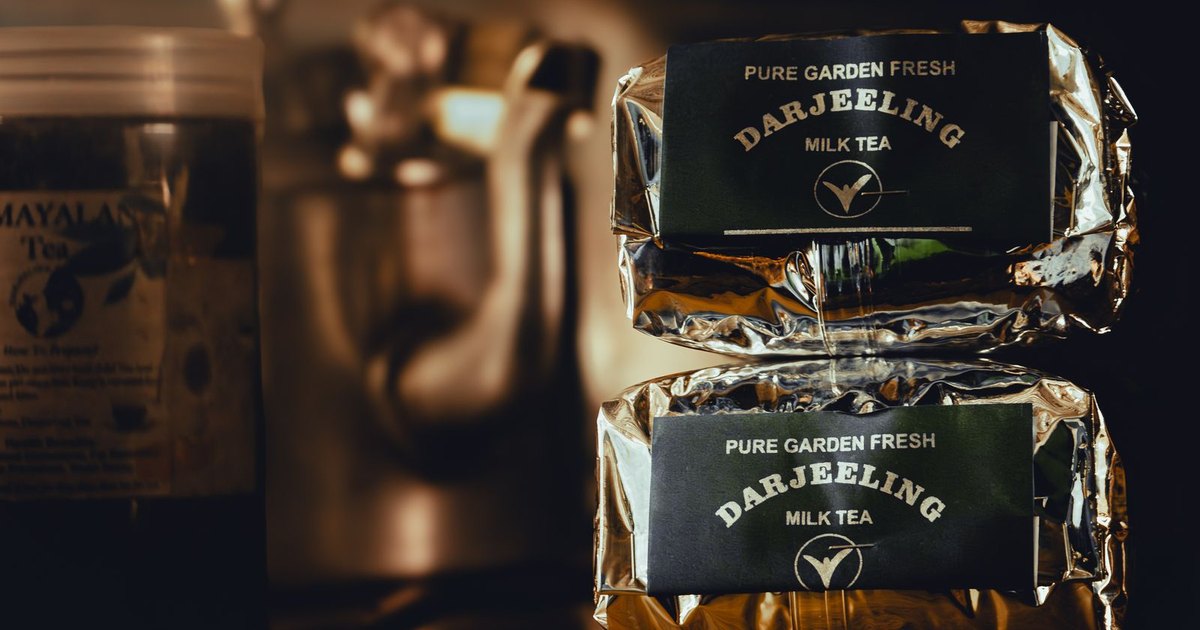
The right tea packaging format is the one that matches your SKU’s price segment, sales channel, and required shelf life, not the one with the lowest sticker price per pack. A single-serve sachet that wins on cost in general trade will lose a premium D2C launch on shelf appeal. A zippered standing pouch that lifts a gifting line is wasted money on a roadside chai sachet. So format is a strategy decision first and a procurement one second.
Most Indian tea brands run several formats at once because their SKUs serve different jobs. According to the Tea Board of India, the country produces well over 1,300 million kg of tea a year across CTC, orthodox, and green grades, and that spread of leaf types and price tiers is exactly why no single format can carry a whole portfolio. This guide gives packaging managers a repeatable way to match format to SKU, scored across the criteria that actually move cost and quality.
How do you choose a tea packaging format?
Choose a tea packaging format by working through four filters in order: price segment, sales channel, shelf-life requirement, and brand positioning. Each filter removes options. Price segment sets your packaging cost ceiling, channel dictates durability and shelf presentation, shelf life fixes the minimum barrier specification, and positioning decides how much you invest in finish and reclosure. The format that survives all four filters is your answer.
The sequence matters because the filters fight each other. Premium positioning pushes you towards a zippered standing pouch, while an e-commerce channel often wants a flatter, more transit-stable structure. Resolving that conflict on purpose, rather than defaulting to whatever your supplier quotes first, is what separates a format that protects margin from one that quietly eats it. For the cost side of the equation, our per-pouch cost breakdown by material and format carries the underlying numbers.
What are the main tea packaging formats for tea brands?
Indian tea brands work with five primary formats, each suited to a different SKU role. Knowing what each one is, and where it structurally excels or falls short, is the foundation for any selection framework.
- Single-serve sachet. A small, single-dose pack of 1–5 grams sealed on a vertical form-fill-seal (VFFS) line. A sachet is the lowest-cost-per-pack format and dominates India’s mass market and HoReCa channel, where packaging cost per unit is decisive.
- Pillow pack. A flat back-sealed pouch, typically 100–250 grams, also run on VFFS lines. It is the workhorse of value-tier retail: cheap, fast to fill, and space-efficient in cartons, but with no upright shelf presence.
- Standing pouch (stand-up pouch). A standing pouch is a flexible pouch with a bottom gusset that lets it stand upright on shelf, with optional zipper reclosure. It is the default premium retail format because it cuts packaging material against rigid cartons while improving shelf visibility. Flexible-packaging data published in the IPPTA journal puts that material saving at roughly 40 to 60 per cent versus a comparable carton.
- Carton with inner liner and overwrap. A folding carton protecting a primary liner pack, often finished with an overwrap film for added barrier. This is the traditional premium and gifting format, strong on perceived value but the heaviest on material and cost.
- Bulk and institutional packs. Larger bag-in-box or multi-kilogram pouches for foodservice, blending, and export, where unit economics and transit protection outweigh shelf appeal.
Tea packaging format decision matrix
The table below scores the five formats across the six criteria that determine format fit. Scores run from 1 (weak) to 5 (strong); the recommendation column states the SKU role each format wins.
| Format | Barrier capability | Packaging cost (low = cheaper) | Line speed | Shelf appeal | MOQ flexibility | Recyclability / EPR position | Best-fit SKU role |
|---|---|---|---|---|---|---|---|
| Single-serve sachet | 3 | 5 | 5 | 1 | 4 | 3 | Mass market, HoReCa, sampling |
| Pillow pack | 3 | 4 | 5 | 2 | 4 | 3 | Value-tier loose tea, refills |
| Standing pouch (zippered) | 4 | 2 | 3 | 5 | 3 | 3 | Premium retail, D2C hero SKU |
| Carton + liner + overwrap | 5 | 1 | 2 | 5 | 2 | 2 | Gifting, super-premium, export |
| Bulk / institutional | 4 | 3 | 4 | 1 | 2 | 4 | Foodservice, blending, export |
Recommendation: No single format wins outright, and that is the point. Sachets and pillow packs win on cost and speed for volume SKUs. Standing pouches win the premium retail and D2C shelf. Cartons with overwrap win gifting, where perceived value justifies the material. Bulk packs win where transit economics dominate. A healthy tea portfolio usually spans three or more of these at once. For a deeper format-by-price-point view aimed at chai specifically, see our chai packaging guide for every price point.
How does sales channel change the tea packaging format choice?
Sales channel changes the format choice because each channel imposes different durability and presentation demands on the same tea. According to packaging distribution patterns reported in the IPPTA (Indian Pulp and Paper Technical Association) journal, flexible formats now account for the majority of primary food packaging movement in India, but the right flexible structure differs sharply by route to market.
- General trade (kirana, street retail): Fast turnover, price-led. Sachets and pillow packs dominate because cost per pack and carton density outweigh shelf theatre. Shelf life requirements are moderate because stock moves quickly.
- Modern trade and premium retail: Shelf visibility is a competitive weapon. Standing pouches and cartons earn their cost premium by winning the eye-level fight.
- E-commerce and D2C: Transit stress, not shelf display, is the binding constraint. A pouch that looks immaculate on a modern-trade shelf can arrive crushed after an Amazon ISTA-6 transit cycle. Flatter, robustly sealed standing pouches or cartons with protective overwrap travel better. Our monsoon-proofing barrier benchmarks matter doubly here, because warehouse humidity compounds transit risk.
- HoReCa and foodservice: Single-serve sachets and bulk packs, chosen on dosing consistency and cost, never on shelf appeal.
- Export: Format must satisfy destination-market compliance and survive long sea-freight transit. Heavier barrier and overwrap are common, and labelling obligations expand significantly. Even before destination rules apply, packaging material must clear the food-contact and labelling norms set by the FSSAI, so your supplier’s migration test reports need to be in order before a format is locked.
Which tea packaging format fits each price segment?
Price segment sets the packaging cost ceiling, which in turn rules formats in or out. As a working rule, packaging should sit within a defensible share of the retail price so that format ambition never outruns margin.
- Mass / economy: Packaging cost is squeezed hardest here. According to typical Indian flexible-packaging cost ranges, single-serve sachet packaging runs roughly Rs 0.15–0.40 per pack, which is why sachets and pillow packs are the only viable structures at this tier.
- Mid-market: Pillow packs and entry standing pouches. Enough budget for a printed barrier laminate, not enough for zippers and cartons across every SKU.
- Premium: Zippered standing pouches become standard. A reclosable zipper adds roughly Rs 1–2 per unit, justified by the convenience and repeat-use signal premium buyers expect.
- Super-premium and gifting: Cartons with inner liners and overwrap. Here perceived value, not cost efficiency, drives the decision, and the choice is closer to a brand investment than a packaging line item. Seasonal premium SKUs sharpen this further. Our second flush Darjeeling packaging spec shows how harvest timing and premium positioning shift the brief.
How do shelf-life requirements narrow your tea format options?
Shelf-life requirements narrow format options by fixing a minimum barrier specification that the format and its material must jointly deliver. Shelf life is the duration packaged tea holds acceptable aroma, flavour, colour, and moisture, and packaging material choice is its single largest determinant. Format and barrier are linked because some structures cannot physically carry the high-barrier laminates that long shelf life demands.

Think of it this way. Barrier is a property of the material, but format decides how much barrier you can practically apply and how reliably you can seal it. Single-serve sachets reach adequate barrier cheaply, yet they are sensitive to seal integrity once the line runs fast. Standing pouches and cartons take heavier laminates and overwrap, which buys longer shelf life. The two test metrics that matter, moisture vapour transmission rate (MVTR) and oxygen transmission rate (OTR), are measured per standards such as ASTM F1249 and ASTM D3985. Targets below 1 g/m²/day MVTR and 1 cc/m²/day OTR are typical for premium tea aiming at 12 months or more. Fix those numbers before you lock the format, and read our tea packaging glossary if any of these terms need grounding.
A decision tree for tea packaging format by SKU strategy
Run each SKU through this five-step sequence to reach a defensible format decision quickly.
- State the SKU’s job. Volume driver, margin hero, gifting piece, or channel-specific play? The job, not the tea inside, leads.
- Set the price ceiling. Fix the maximum packaging cost the SKU’s margin allows. This alone eliminates most formats at the economy tier.
- Name the dominant channel. General trade, modern trade, e-commerce, HoReCa, or export. Apply that channel’s durability and presentation constraint.
- Fix the barrier and shelf-life target. Convert your required shelf life into MVTR and OTR numbers, then keep only formats that can carry that barrier reliably.
- Decide positioning finish. Add presentation features such as a zipper, matte finish, carton, or overwrap only where positioning pays for them.
If two formats survive all five steps, choose the cheaper one and reinvest the saving in barrier or finish where it is visible to the buyer. Regulatory obligations such as EPR registration and reporting for tea packaging also feed step four, because material choices carry compliance cost as well as barrier value.
Where paper-based formats fit in your tea packaging mix
Paper-based and metallised-paper structures fit the formats where moderate barrier and a visible sustainability story matter more than maximum shelf life. Start with the honest limitations. A metallised-paper standing pouch will not match an aluminium foil laminate’s 18 to 24 month shelf life, and barrier testing consistently shows foil delivers the lowest MVTR and OTR of any commercial structure. For super-premium teas that need a very long shelf life, or for export SKUs facing extreme transit and storage, foil-based laminates remain the safer specification. Pretending otherwise helps no one.
Within those limits, the case for paper-based formats is real. A large share of India’s domestic mid-market and premium retail targets a 9 to 12 month shelf life in moderate climates, and for those SKUs metallised-paper and paper-based laminates hit barrier that is adequate for the job while improving the recyclability position against foil. That gap matters more every year as EPR liability and sustainability claims grow more consequential. Paper-first structures also photograph and print well, which feeds the same premium shelf appeal that pushed brands towards standing pouches in the first place.
This is where Pakka’s FlexC paper-based barrier material is worth a look. It is built to run as standing pouches and pillow packs on conventional VFFS lines, it carries food-contact compliant barrier coatings, and it gives mid-market and premium tea SKUs a recyclable-leaning alternative to foil without forcing a line change. It is not the right answer for every SKU. Your foil-grade, long shelf life and export lines may still need foil. But for the domestic mid-to-premium formats this guide has mapped, it is a credible material to put through your own barrier trial. The easiest place to start is the SKU you already suspect: if your standing pouches are carrying foil mainly out of habit rather than a real 18-month shelf-life need, test that one first.
Last reviewed: June 2026.
Frequently asked questions
What is the best packaging format for a premium tea brand in India?
For premium retail, a zippered standing pouch is usually the best format: it reduces material against cartons, stands upright for shelf visibility, and supports the reclosure premium buyers expect. For gifting and super-premium SKUs, a carton with an inner liner and overwrap carries higher perceived value, at a higher material cost.
Is a tea sachet or a pouch better for my product?
It depends on the SKU’s job. Single-serve sachets win on cost per pack and line speed for mass-market, HoReCa, and sampling SKUs. Standing pouches win on shelf appeal, barrier headroom, and reclosure for premium retail and D2C. Most brands run both across different SKUs rather than choosing one.
How does sales channel affect tea packaging format choice?
Channel sets the durability and presentation constraint. General trade favours low-cost sachets and pillow packs; modern trade rewards standing pouches; e-commerce demands transit-robust structures because shelf-perfect pouches can arrive crushed; HoReCa and export prioritise dosing, compliance, and transit over shelf appeal.
What packaging format gives tea the longest shelf life?
Cartons with high-barrier liners and overwrap, and foil-laminate standing pouches, deliver the longest shelf life because they carry the heaviest barrier and seal most reliably. Paper-based and metallised-paper formats typically support 9–12 months in moderate climates, which is sufficient for much of India’s domestic mid-market.
Can paper-based tea pouches run on my existing VFFS machine?
Many paper-based and metallised-paper laminates are engineered to run on conventional VFFS and form-fill-seal lines, though seal temperature and dwell settings usually need adjustment and a trial run is essential before committing a SKU. Always validate seal integrity and barrier on your own line at production speed.
If you are weighing a paper-based structure for your tea SKUs, our flexC food packaging range sets out the barrier materials we currently make, with specifications you can check against your own MVTR and OTR targets. flexC will not suit every SKU — very long shelf-life export teas may still need foil — so if you are unsure, ask our team for a barrier assessment against your actual shelf-life data.
Browse all Pakka articles.
You may also like