What Does Tea Packaging Actually Cost in India? A Per-Pouch Breakdown by Material and Format

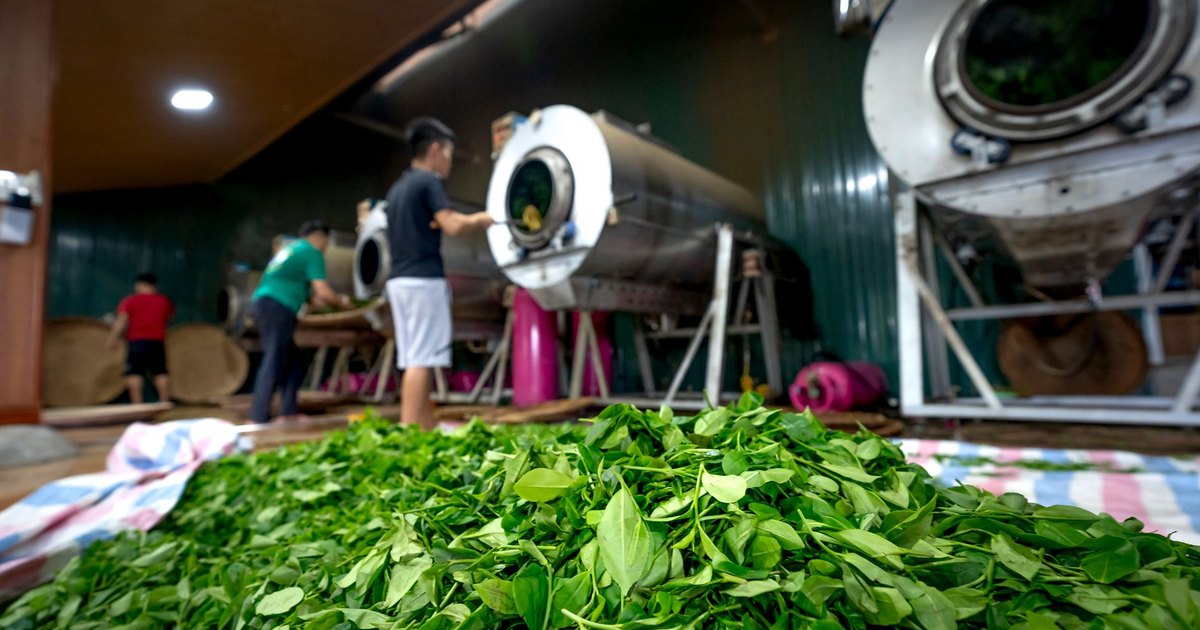
Tea packaging in India typically costs between ₹0.15 and ₹0.40 per single-serve sachet and ₹4 to ₹14 per retail stand-up pouch, with the final figure set by material structure, barrier specification, pack format, and order volume rather than by any single list price. This breakdown shows what each rupee actually buys, where converters quote ranges instead of fixed numbers, and which hidden costs erode the saving a cheaper pouch appears to offer.
Ask three converters for a tea pouch price and you will get three different answers, because none of them is quoting the same thing. One assumes a basic moisture barrier. Another a full foil laminate. A third a recyclable structure that carries a lower waste-management liability. Treating packaging as a single per-pouch number is how procurement teams end up comparing quotes that were never comparable to begin with. The only way to control the cost is to break it into the parts that actually move it.
What does tea packaging actually cost per pouch in India?
Tea packaging in India costs roughly ₹0.15–₹0.40 for a single-serve CTC or dust sachet, ₹1.50–₹4 for a pillow pack, and ₹4–₹14 for a retail stand-up pouch, depending on barrier and finish. These are indicative converted-and-printed ranges, not fixed prices, because every figure shifts with material, run length, and print complexity. The table below sets out the working bands a packaging manager can plan against before specifying.
| Format | Typical fill | Indicative packed cost per unit | Primary cost driver |
|---|---|---|---|
| Single-serve sachet (CTC/dust) | 1.5–3 g | ₹0.15–₹0.40 | Volume and line speed |
| Pillow pack | 100–250 g | ₹1.50–₹4.00 | Material and barrier |
| Stand-up pouch, standard barrier | 100–250 g | ₹4.00–₹9.00 | Structure and zipper |
| Stand-up pouch, high barrier (foil/metallised) | 100–250 g | ₹7.00–₹14.00 | Barrier layer |
| Rigid caddy or tin (gifting) | 100–250 g | ₹25.00–₹60.00 | Format and finish |
India is the world’s second-largest tea producer, and according to the Tea Board of India the country produces well over 1,300 million kilograms annually, the vast majority consumed domestically as loose CTC and chai. That demand profile is why the sachet and pillow-pack end of this table moves the most volume: at fractions of a rupee per unit, a ₹0.05 difference in material cost decides whether a mass-market SKU is viable. The tea packaging glossary defines the format terms used throughout this guide.
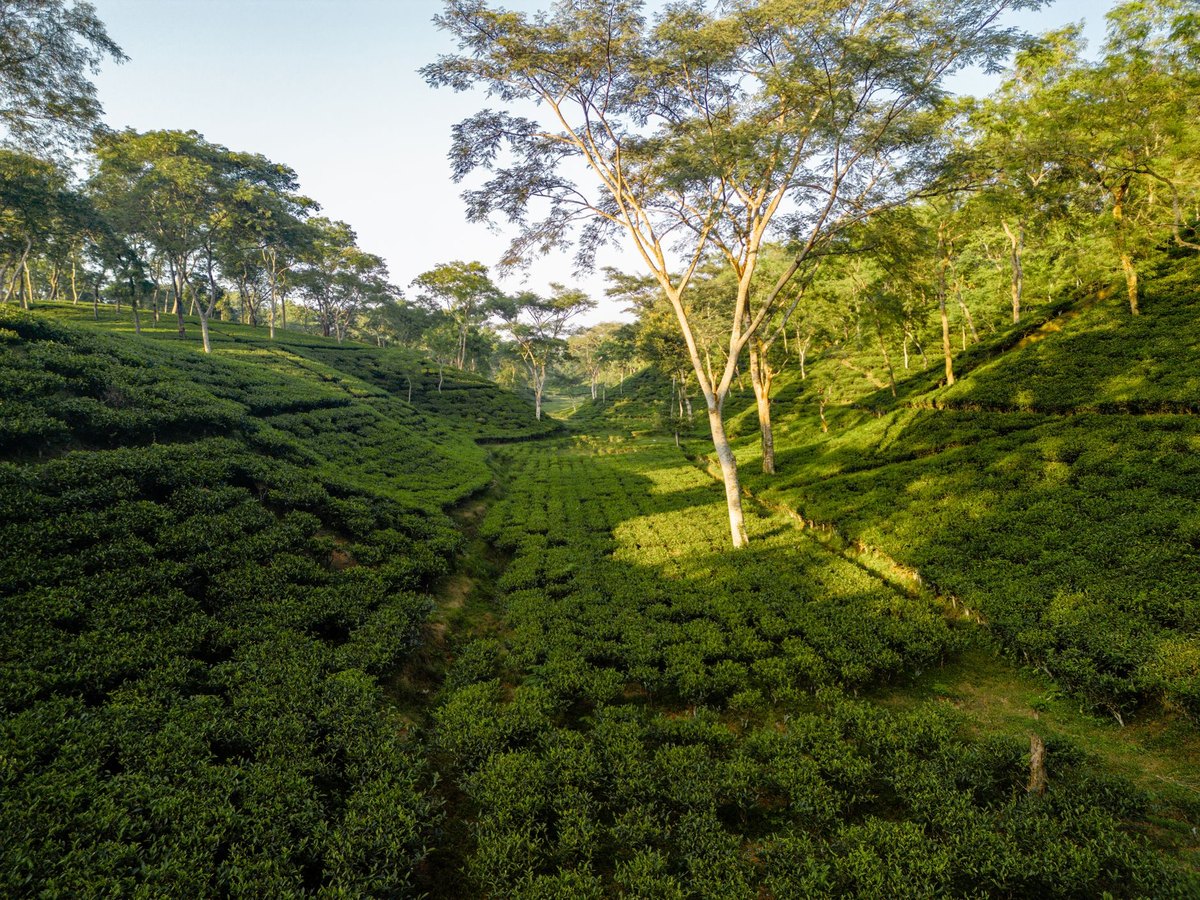
What drives the cost of a tea pouch?
The cost of a tea pouch is driven by five things in roughly this order: the material structure, the barrier specification, conversion and print, the order volume, and the one-time tooling. Material and barrier together usually account for the majority of the per-unit cost, which is why two pouches of identical size can differ by 40 per cent or more on price alone.
Each driver works differently. Material is a per-kilogram input, so a heavier or higher-grade laminate raises every unit. Barrier is the single largest lever: reaching a low oxygen and moisture barrier means adding a metallised or foil layer, and that layer costs real money. Print adds cost through the number of colours and the plate or cylinder origination, a charge spread across the run. Tooling sits apart from the rest, because the plates or cylinders are bought once and then amortised, so a short first run carries them heavily while a repeat run barely feels them. Volume dilutes the fixed costs, so the same spec is cheaper at five lakh pouches than at fifty thousand. The barrier point connects directly to shelf life: a tea that needs to survive the monsoon demands tighter MVTR benchmarks, and that specification, not the converter’s margin, is usually what makes the pouch dearer.
What is a barrier layer? A barrier layer is the part of a packaging structure that resists moisture, oxygen, and light transmission, typically aluminium foil, a metallised coating, or a high-barrier film. It is the most expensive functional component of most tea pouches, and the component a cheap quote most often leaves out.
According to ASTM International test conventions, oxygen transmission is measured under ASTM D3985 and moisture vapour transmission under ASTM F1249, and a supplier quoting a barrier material should be able to cite the method and the result. A price without a barrier figure attached is not a like-for-like quote, and comparing one against another is the most common costing error tea brands make.
How does tea packaging cost compare by material?
Material choice is the largest single lever on tea packaging cost, and the four structures most Indian tea brands evaluate trade price against barrier, recyclability, and waste-management liability rather than lining up on a single axis. Aluminium foil laminate delivers the highest barrier but the worst end-of-life position; mono-material and paper-based structures cost less in waste liability but ask harder questions of the barrier. The decision matrix below scores four common structures for a 250 g retail stand-up pouch, each criterion rated 1 (weak) to 5 (strong), with an indicative cost band.
| Material structure | Barrier | Recyclability | EPR liability | Food-contact status | Indicative cost (250 g SUP) |
|---|---|---|---|---|---|
| Aluminium foil laminate (PET/Alu/PE) | 5 | 1 | High | Compliant | ₹8–₹12 |
| Metallised paper laminate | 4 | 4 | Lower | Compliant (verify) | ₹6–₹10 |
| Metallised PET laminate | 4 | 2 | High | Compliant | ₹6–₹9 |
| Mono-material PE (recyclable) | 2–3 | 4 | Lower | Compliant | ₹5–₹8 |
| Recommendation | Metallised paper for recyclable retail SKUs; foil only where shelf life demands it |
The cost column tells only half the story, which is the point. Foil laminate looks mid-priced per pouch but carries the highest extended producer responsibility liability, a recurring cost that does not appear on the converter’s quote. According to the Central Pollution Control Board’s Plastic Waste Management Rules, brand owners placing plastic and multi-layer laminate packaging on the market carry EPR obligations and per-tonne fees that scale with the plastic they use, so the cheapest pouch on paper can be the dearest across a year. Mono-material PE wins on recyclability and EPR but cannot reach the oxygen barrier that aroma-sensitive teas need, which is why it sits at the bottom of the barrier column. The full recyclable-versus-conventional distinction, and the label terms brands routinely confuse, are worked through in our guide to compostable, recyclable, and biodegradable tea packaging.
What is metallised paper? Metallised paper is a paper substrate coated with a thin vacuum-deposited aluminium layer that delivers barrier performance without a separate foil ply. It offers a recyclable alternative to foil laminate at a comparable or lower per-pouch cost, provided the barrier is validated against the tea’s shelf-life needs.
How does pack format change the per-unit cost?
Pack format changes per-unit cost as much as material does, because format dictates how much material each pouch uses, how fast the line runs, and what secondary features the pack carries. A single-serve sachet and a zippered stand-up pouch can use the same laminate and still differ by a factor of twenty per unit, driven by size, gusseting, and reclosure. The sequence below ranks the common Indian tea formats from lowest to highest per-unit cost and explains what each step adds.
- Single-serve sachet (₹0.15–₹0.40): smallest material area, fastest fill on vertical form-fill-seal lines. Margins are thinnest here, so sachet packaging cost is optimised to the fraction of a paisa.
- Pillow pack (₹1.50–₹4): larger fill, simple back-seal structure, no gusset or zipper. The workhorse format for loose CTC and chai.
- Stand-up pouch, standard (₹4–₹9): bottom gusset and shelf presence add material and a slower line, offset by premium shelf appeal.
- Stand-up pouch with zipper (add ₹1–₹2): reclosure is a convenience feature the customer pays for, but it is a genuine per-unit cost, not a free upgrade.
- Rigid caddy or tin (₹25–₹60): a gifting and premium format where the pack itself is part of the product, with logistics weight to match.
According to figures cited by IPPTA, a stand-up pouch reduces material use by 40 to 60 per cent against an equivalent folding carton while giving the brand a block of shelf, which is why premium tea has migrated toward it despite the higher per-pouch price than a pillow pack. Format also interacts with price segment: the same chai sold as a ₹0.30 sachet and a ₹6 stand-up pouch is two different cost structures serving two different shoppers, a tension explored across price points in our chai packaging guide.
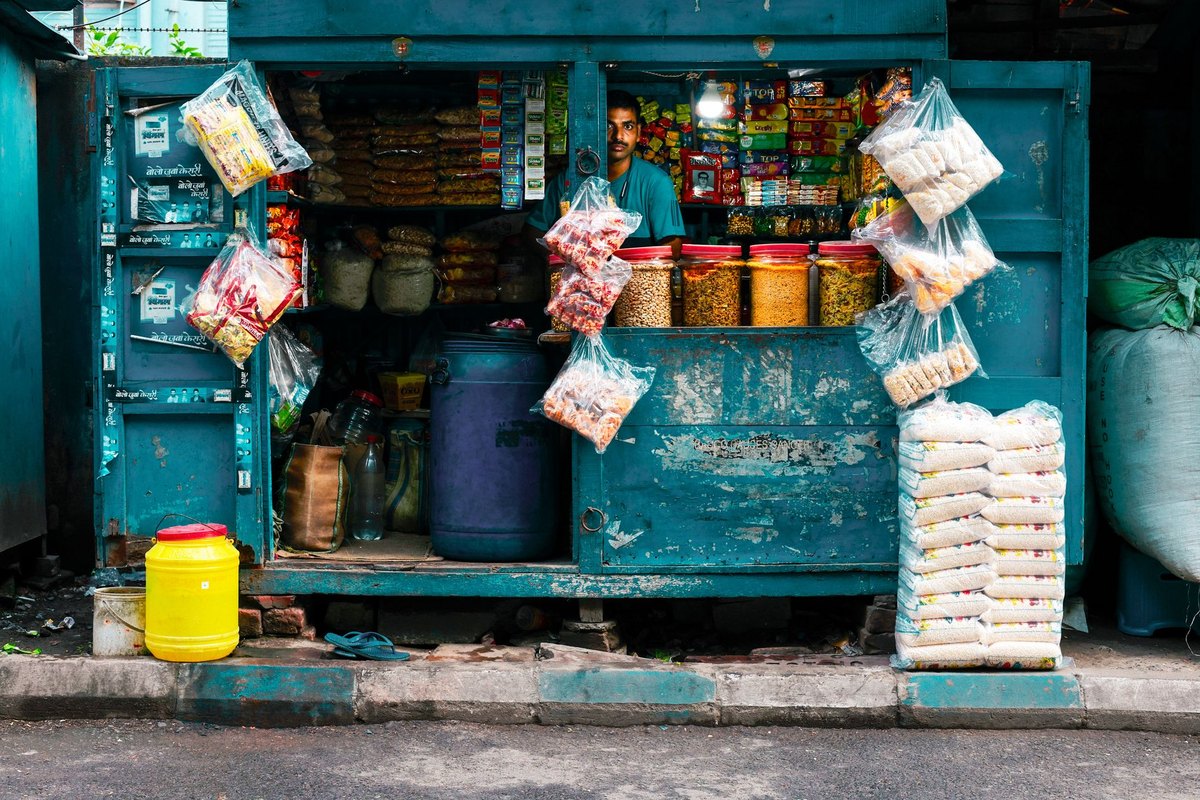
What hidden costs do tea brands miss when budgeting packaging?
The hidden costs that erode a packaging budget are the ones absent from the converter’s per-pouch quote: tooling, waste, EPR fees, nitrogen flushing, MOQ overrun, and shelf-life-driven returns. A quote covers the converted pouch; it rarely covers the full cost of putting that pouch on shelf with tea inside it. Budgeting against the quote alone is why packaging routinely runs over.
The costs below are the ones procurement teams most often discover after the fact.
- Tooling and origination: printing plates or rotogravure cylinders are a one-time charge, often ₹15,000–₹60,000 per design, that makes short runs expensive per unit.
- Waste and rework: line setup, web wastage, and rejected packs typically add 3–8 per cent to material cost, more on a new material running for the first time.
- EPR fees: as above, plastic and laminate packaging carries recurring per-tonne EPR liability under CPCB rules, a cost recyclable structures reduce.
- Nitrogen flushing: for aroma-sensitive teas, flushing oxygen from the headspace adds gas, slower line speed, and equipment cost, justified for premium leaf but not for a three-month CTC line.
- MOQ overrun: ordering above real demand to hit a price break ties up cash and risks obsolescence if artwork changes.
- Returns from under-specified barrier: the cheapest pouch that fails on shelf life costs far more in returns and brand damage than the saving it offered.
According to the FSSAI packaging regulations, every food-contact material must be compliant and supported by test documentation, so the cost of migration testing when changing a material supplier is real and belongs in the budget rather than the surprise column. The honest accounting is that a packaging decision is a total-cost decision, and the per-pouch line is only its largest visible part. The same logic governs premium SKUs, where barrier and shelf-life economics are set out in our second flush Darjeeling packaging spec.
How does order volume change tea packaging price in India?
Order volume changes tea packaging price sharply, because tooling and setup are fixed costs spread across the run, so the per-unit price can fall 30 to 50 per cent between a trial quantity and a full production order. This is why a converter’s first quote on a small order looks high: the same plates and setup that cost ₹40,000 weigh on fifty thousand pouches far more heavily than on five lakh. The bands below show the direction of travel rather than fixed prices.
| Order band (250 g SUP) | Relative per-unit cost | What changes |
|---|---|---|
| Trial / sampling (under 10,000) | Highest (index 100) | Tooling and setup dominate |
| Small run (10,000–50,000) | Index 70–80 | Fixed costs begin to dilute |
| Standard run (50,000–250,000) | Index 55–65 | Material becomes the main cost |
| Volume run (250,000+) | Index 45–55 | Material rate and line efficiency optimised |
The lesson is not simply to order more. Ordering above genuine demand to chase a price break converts a per-unit saving into tied-up cash and obsolescence risk, especially for seasonal or limited SKUs. The right volume is the one that matches the sales forecast and the artwork’s stable life, not the one that prints the lowest unit number on the quote.
Where paper-based and metallised structures fit on cost
Paper-based and metallised-paper structures fit the tea cost equation where a brand needs a recyclable pack without surrendering the barrier its tea requires, but they come with limits worth stating before the benefits. They do not automatically match the absolute oxygen and moisture ceiling of aluminium foil laminate, and their recyclability holds only where the barrier layer separates cleanly during repulping. A paper structure that cannot be separated is a composite waste stream wearing a paper-first label, and it should be costed and claimed as such.
Stated plainly: for a tea that must hold its character for 18 months or more in variable transit, foil laminate remains the safest barrier choice today, and the recyclability premium of a paper-based alternative does not erase that. Any material switch should be validated against your own shelf-life and cupping data before it is committed to a volume order. Barrier claims belong on test reports with stated methods, and recyclability claims on repulping evidence, not on marketing language.
Where the shelf-life requirement allows it, this is the trade-off many Indian tea brands are now costing, and it is the context for considering a recyclable structure such as Pakka’s FlexC. FlexC is engineered as a paper-based flexible material with metallised paper barrier options, aiming to hold a moisture and oxygen barrier adequate for many retail SKUs while sitting in a materially better end-of-life position than conventional foil. On a pure per-pouch line it is comparable to a metallised laminate; the cost case strengthens once the lower EPR liability and the brand value of a recyclable pack are added to the same spreadsheet. The honest caveat stands: it is one option to validate against your specific tea, shelf-life target, and channel, not a universal replacement for foil.
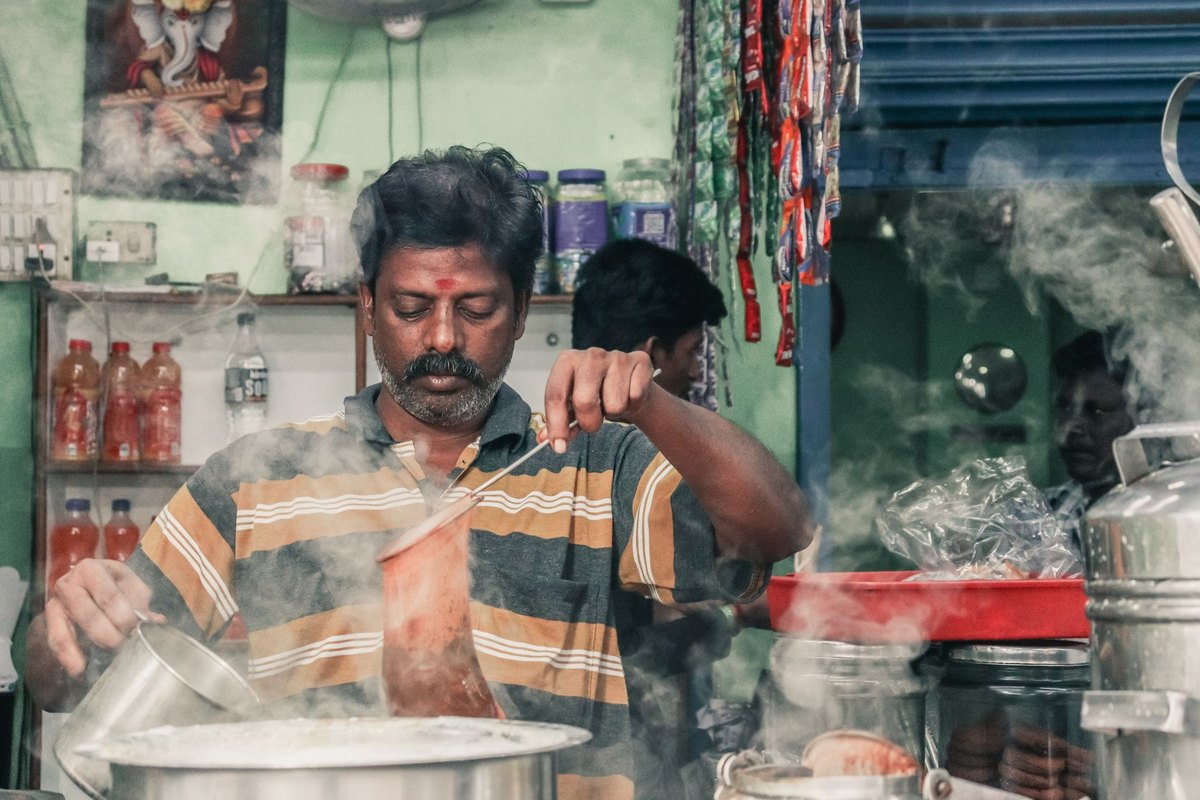
The cost decision, in the end, is a portfolio one. A fast-moving CTC sachet is optimised to the paisa and has no room for premium barrier. A premium retail stand-up pouch can carry a recyclable metallised structure whose total cost, EPR included, beats foil. The number that matters is not the cheapest quote but the lowest total cost that still protects the tea and the claims on the pack.
Frequently asked questions
How much does tea packaging cost per pouch in India?
Tea packaging in India costs roughly ₹0.15–₹0.40 for a single-serve sachet, ₹1.50–₹4 for a pillow pack, and ₹4–₹14 for a retail stand-up pouch. The exact figure depends on the material structure, barrier specification, pack format, print complexity, and order volume, so any quote should state the barrier it assumes.
What is the cheapest tea packaging format?
The single-serve sachet is the cheapest per unit at ₹0.15–₹0.40, because it uses the least material and runs fastest on vertical form-fill-seal lines. It suits mass-market CTC and chai but offers the least shelf presence and the lowest barrier ceiling, so it is rarely right for premium retail SKUs.
Why do tea packaging quotes from different suppliers vary so much?
Quotes vary because suppliers assume different barrier specifications, materials, run lengths, and print complexity, and most do not state these assumptions on the quote. A foil-laminate pouch and a basic moisture-barrier pouch are not comparable even at the same size, so always ask each supplier to quote against the same barrier and volume.
Does recyclable tea packaging cost more than foil laminate?
On a per-pouch basis, recyclable metallised paper is usually comparable to foil laminate, sometimes slightly lower. Once extended producer responsibility fees and brand value are added to the calculation, a recyclable structure can deliver a lower total cost, though foil may still be cheaper overall for teas needing 18-plus months of barrier protection.
What hidden costs should a tea brand budget for beyond the per-pouch price?
Beyond the quoted pouch price, budget for printing plates or cylinders, line waste and rework, EPR fees on plastic and laminate packaging, nitrogen flushing for aroma-sensitive teas, and the cost of returns if the barrier is under-specified. These can add a meaningful percentage to the headline per-pouch figure.
Last reviewed: June 2026
If you are weighing a paper-based structure for your tea SKUs, our flexC food packaging range sets out the barrier materials we currently make, with specifications you can check against your own MVTR and OTR targets. flexC will not suit every SKU — very long shelf-life export teas may still need foil — so if you are unsure, ask our team for a barrier assessment against your actual shelf-life data.
Browse all Pakka articles.
You may also like