Paper Bag Market Outlook India 2027: Capacity, Demand, Pricing, and What Converters Should Plan For

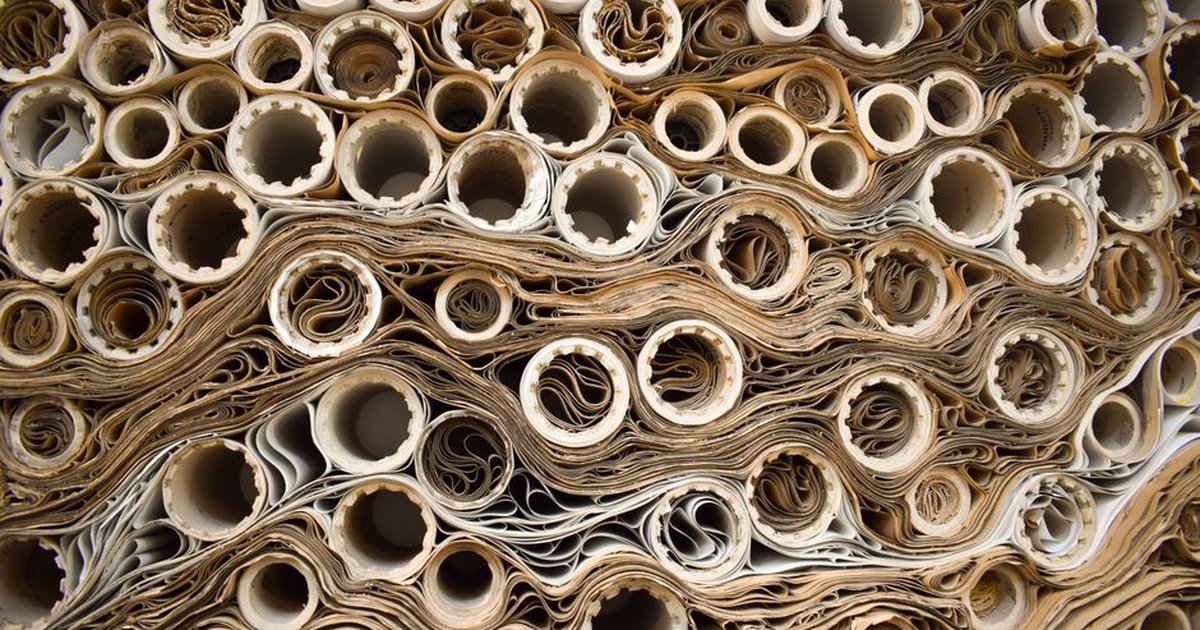
The India paper bag market heads into 2027 on a firm but uneven footing. Bags-specific revenue is forecast around USD 823.64 million for 2026 (IMARC Group), the broader paper packaging market is compounding at roughly 8% a year (Grand View Research), and organised-sector mills are already running at 97% utilisation (IPMA). For a converter, the headline is not that demand is growing. It is that demand is growing faster than domestic base-paper capacity, which puts sourcing security and price discipline ahead of order-book size on the 2027 planning list.
This is a market outlook for people who run bag-making machines, not for investors reading a one-page summary. It sets out what the numbers actually say about the paper bag market India 2027, where the forecasts disagree, and which of them should change how you book base paper and quote a contract next year.
How big is the India paper bag market heading into 2027?
The India paper bags market sits at roughly USD 791.65 million for 2025 and about USD 823.64 million for 2026, on IMARC Group’s most recent estimate, growing at a 4.04% CAGR to reach USD 1.13 billion by 2034. That is the most defensible bags-only figure available at source, and it is worth anchoring to before the louder numbers arrive.
Read the forecasts as a range, not a single line. IMARC’s 4% CAGR is conservative. BlueWeave Consulting publishes a 13.65% CAGR for the same market, more than three times higher. When two research houses disagree by that margin on one niche, the honest reading is that nobody has clean sell-through data for a fragmented, largely unorganised bag-converting sector, so treat any single CAGR as a directional signal rather than a plan input.
The broader picture is steadier. India’s paper packaging market, which folds in cartons, corrugated board and bags, is projected to grow at an 8.1% CAGR from 2025 to 2030, reaching about USD 25.2 billion by 2030 (Grand View Research). That 8% figure matters more to a bag converter than the bags-only number does, because it is the growth rate of the base-paper demand pool you buy from, and it lines up with the industry association’s own read below.
For the grammage, burst-factor and substrate terms used throughout this outlook, the paper converter glossary keeps the definitions in one place.
Is there enough paper capacity to supply 2027 demand?
Not comfortably. IPMA member mills produced 5,208 thousand tonnes against an installed capacity of 5,368 thousand tonnes in FY 2025-26, a 97.01% capacity utilisation rate. A sector running that close to its ceiling has almost no slack to absorb a demand spike, which is the single most important supply fact for anyone planning 2027 reel purchases.
Capacity utilisation is the share of installed production capacity a mill actually runs, and it tells you how much cushion exists before a demand surge turns into a queue. At 97%, the answer is very little, and the queue forms at the base-paper mill, upstream of your converting line.
The wider industry is larger but similarly stretched. India has roughly 850 paper mills (about 526 operational) producing close to 25 million tonnes a year, with output projected to reach 35 million tonnes by FY30 (IBEF). Capacity is being added, with cumulative FDI into paper and pulp reaching Rs 10,367.64 crore (about USD 1,768 million) between April 2000 and December 2025. But new pulp-and-paper capacity comes online over years, not quarters, so the near-flat-out utilisation is a 2027 constraint, not a 2030 one.
The furnish mix explains where the real bottleneck sits. India’s paper industry runs on 74 to 76% recycled fibre, 18 to 20% wood-based pulp and 6 to 8% agro-residue (IPMA). A bag converter’s kraft supply is therefore hostage less to a global wood-pulp shortage than to recovered-paper availability and its import cost, and that recovered-fibre stream is the part the price sources flag as tightening. The imported versus domestic base paper comparison sets out how that exposure changes your sourcing calculus.
What is driving paper bag demand in India?
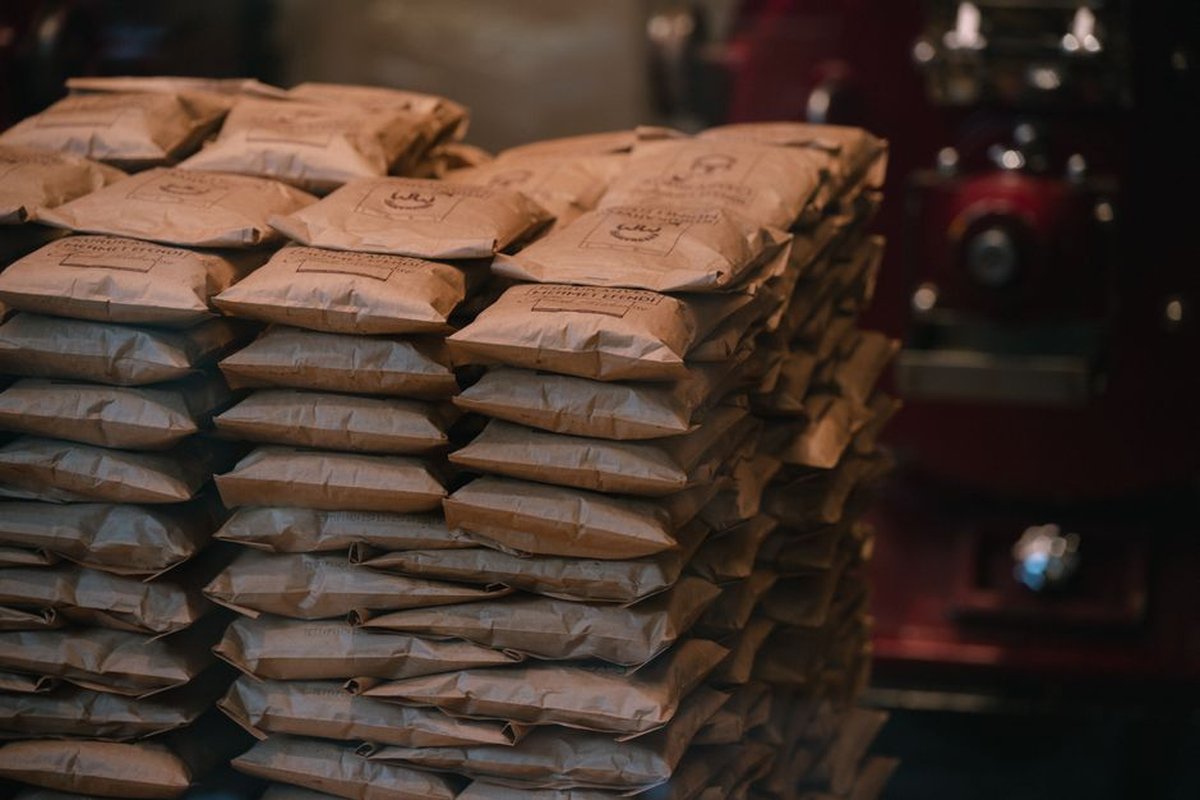
Four forces, and only one of them is discretionary. The structural drivers are regulatory and demographic, which is why demand for paper carry bags has held up even through soft consumer quarters. They matter in roughly this order for how firmly they underwrite a converter’s 2027 order book:
- The plastic carry-bag ban. Plastic carry bags below 120 microns are prohibited from manufacture, import, stocking, sale and use, with effect from 31 December 2022 (CPCB / MoEFCC). That rule removed the cheap thin-plastic bag from legal supply and is the direct reason QSR chains and organised retail moved to paper.
- EPR for paper packaging. Extended Producer Responsibility obligations on brand owners, importers and e-commerce entities took effect from 1 April 2026, requiring registration on the CPCB portal and auditable recycling targets (CPCB). The EPR guide for paper packaging converters covers what your customers now have to document, and why they increasingly ask you for it.
- The consumption runway. India consumes roughly 16 kg of paper per capita against a world average of 57 kg, and produces about 5% of global paper (IPMA). Low base, rising incomes: the structural headroom is large and long.
- Packaging-led growth. IPMA reports domestic packaging paper and paperboard demand growing at over 8.2% a year, and describes India as the fastest-growing paper market in the world. Packaging, not writing-and-printing grades, is where that growth concentrates.
Only the last of these is sensitive to the consumer cycle. The first two are law, and the third is a decade-long trend, which is why 2027 demand is one of the more predictable inputs a converter has.
Where are kraft paper and pulp prices heading?
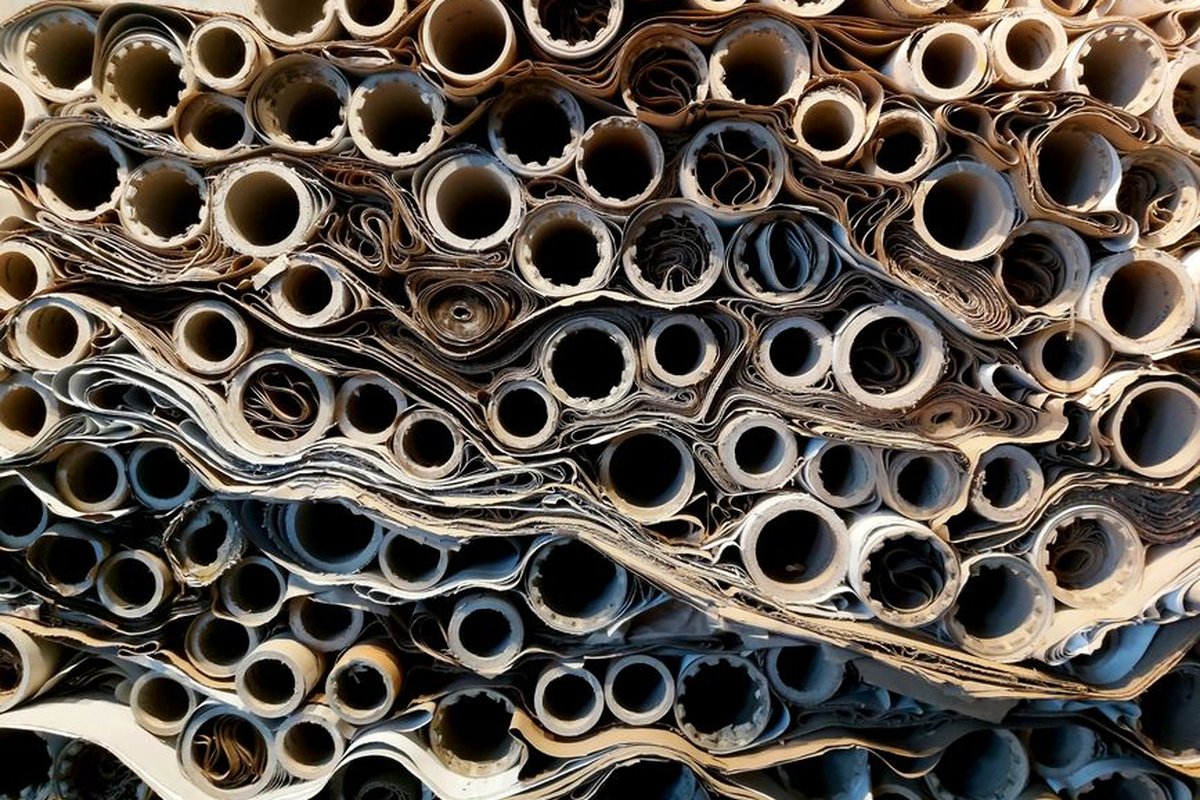
Toward stability at a low base, with recovered-fibre cost as the wildcard. Indian kraft paper traded around USD 440 per tonne (USD 0.44/kg) in Q1 2026, the lowest among tracked regions against a global average near USD 0.997/kg, and held firm-to-stable through mid-2026 on steady packaging demand set against tighter recycled-fibre availability (Expert Market Research; IMARC). India remains the cheapest large kraft market in the world, which is a genuine competitive edge for an exporting converter.
Two honest caveats belong here. First, there is no published domestic wood-pulp price series for India. The country imports most of its virgin pulp, so any pulp benchmark you use should be a global BHKP/BSKP import index, labelled as such, not passed off as a domestic cost. Second, the direction that actually moves a bag converter’s landed cost is recovered-paper (waste-paper) pricing, because three-quarters of the furnish is recycled, and that stream is tightening rather than loosening.
The planning implication is a pricing-mechanism one, not a forecast one. At 97% mill utilisation and firming recovered-fibre cost, the risk in a 2027 contract is not that kraft gets dramatically more expensive, but that you get locked into a fixed price while your input drifts up. A cost pass-through clause matters more than a sharp opening quote, and the contract pricing guide for converters sets out how to build one a customer will still sign.
Which segments will grow fastest, and who wins the volume in 2027?
Demand is not spread evenly, and the segments that grow fastest are not the ones with the best margins. The matrix below scores the four demand pools a converter can chase, on the factors that decide whether growth converts into profit rather than just tonnage.
| Segment | Demand growth to 2027 | Margin potential | Entry difficulty | 2027 outlook |
|---|---|---|---|---|
| QSR & food delivery | High | Medium | High (spec + audit barriers) | Strongest volume, hardest to qualify for |
| Organised retail | High | Low to Medium | Medium (price-led tenders) | Reliable volume, thin margins |
| Export | Medium to High | High | High (FSC + food-grade + compliance) | Best margin per tonne if certified |
| Traditional / kirana retail | Medium | Low | Low | Easy entry, commoditised, price-only |
The read for 2027: QSR and food delivery carry the largest structural volume but gate it behind specification and audit requirements, so the segment rewards converters who have already invested in consistency and testing. That ground is covered in the QSR paper bag specifications guide. Organised retail offers dependable tonnage on tight margins, and its buyers publish exacting store-bag specs, as the organised retail requirements breakdown details. Export is where margin lives, but only for converters holding the certifications that unlock it. The commodity kirana segment is easy to enter and impossible to defend on anything but price.
What should converters plan for in 2027?
Plan for a market where winning the order is easier than securing the paper to fulfil it. Given 97% mill utilisation, firming recovered-fibre cost and a demand base underwritten by regulation, the 2027 priorities sort cleanly:
- Secure base-paper supply before you chase volume. In a near-full-capacity market, a signed reel-supply arrangement is worth more than an extra order line you cannot feed. Qualify a second mill now, not when your primary one is on allocation.
- Build a cost pass-through clause into every 2027 contract. With input cost drifting and demand firm, fixed-price annual contracts transfer the wrong risk onto you.
- Make your documentation EPR-ready. Your customers are now legally obliged to account for their packaging, so the converter who supplies grade data, recyclability declarations and compliant specs without being chased becomes the easier supplier to keep.
- Certify toward the margin. FSC and food-grade compliance are the gate to the export and premium-QSR volume that actually pays. The commodity segments will not fund your growth.
- Match grade to end use rather than over-specifying. In a tight-capacity year, paying for grammage or strength the application does not need is paying twice, once at the mill and once in wasted margin.
None of this depends on the market growing at 4% or 13%. It depends on the two facts every forecast agrees on: demand is structurally supported, and the paper to serve it is running short of slack.
If export is part of your 2027 plan, read our guide to winning paper bag export orders from India.
Frequently asked questions
How big is the paper bag market in India in 2027?
The India paper bags market is forecast at roughly USD 823.64 million for 2026 on IMARC Group’s estimate, growing at a 4.04% CAGR toward USD 1.13 billion by 2034. Forecasts diverge widely, with BlueWeave publishing a 13.65% CAGR, so treat the figure as a directional range rather than a precise plan input.
Is there enough paper capacity in India to meet 2027 demand?
Barely. IPMA member mills ran at 97.01% capacity utilisation in FY 2025-26, leaving almost no slack for a demand spike. Total industry output is projected to rise from about 25 million tonnes to 35 million tonnes by FY30 (IBEF), but that capacity arrives over years, so 2027 supply stays tight.
Will kraft paper prices rise in 2027?
Indian kraft paper was among the cheapest globally at about USD 440 per tonne in Q1 2026 and held stable through mid-year. The bigger risk to a converter’s landed cost is tightening recovered-fibre (waste-paper) pricing rather than a sharp kraft rise, since roughly three-quarters of India’s furnish is recycled.
What is driving paper carry bag demand in India?
The 120-micron plastic carry-bag ban (effective 31 December 2022), EPR obligations for paper packaging (effective 1 April 2026), a low per-capita paper consumption base (about 16 kg against a world average of 57 kg), and packaging-grade demand growing over 8.2% a year (IPMA).
Which customer segment should a paper bag converter target for 2027?
QSR and food delivery carry the largest volume but demand specification and audit compliance. Export offers the best margin but requires FSC and food-grade certification. Organised retail is reliable but low-margin. Match the segment to the certifications and consistency you can already prove.
Last reviewed: September 2026
Planning your 2027 base-paper requirement comes down to matching grade to end use before you commit tonnage: kraft and greaseproof grades for QSR and retail bags, the right grammage for the handle system and load, and food-contact compliance where it applies. Pakka’s food wrap and carry range lists the grades against their applications, with spec-sheet PDFs available to download on each product for your technical team to check against a customer brief. Where a grade is not the right fit for a job, the spec sheet says so. For grade-to-specification questions a data sheet cannot settle, the technical team can match a base paper to your converting line and end-use requirement.
Browse all Pakka articles.
You may also like
