Sustainable Tea Packaging Options Available in India Today: What Actually Works and What Does Not

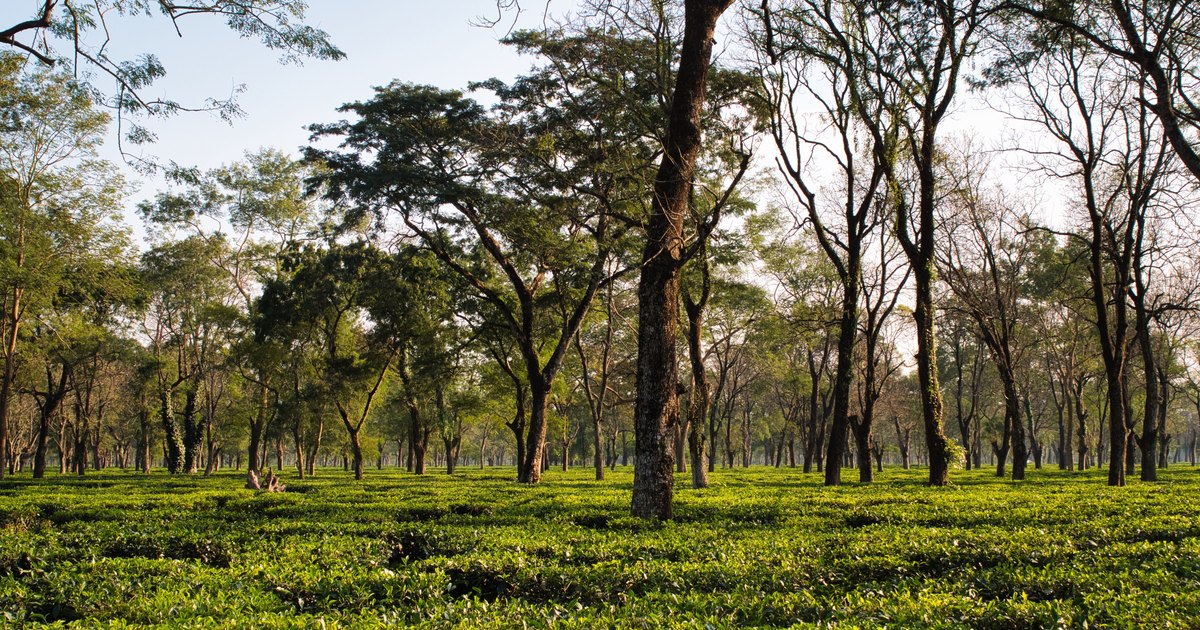
Most sustainable tea packaging available in India today works well for fast-moving domestic teas but still trails aluminium foil laminate on shelf life for high-value, aroma-critical, or export SKUs. Compostable and paper-based structures are genuinely viable for CTC and everyday blends; premium orthodox, green, and long-shelf-life teas remain a harder case. Choose by shelf-life target, not by the sustainability label alone.
That is the honest starting point, and it matters because the market is now crowded with claims that do not survive contact with a moisture-vapour test. A packaging manager evaluating “green” options is really evaluating a trade-off between barrier properties and end-of-life credentials, and the two do not always move together. This guide sets out what is actually on the shelf in India in 2026, what each option protects against, and where the honest limitations sit.
What counts as sustainable tea packaging in India?
Sustainable tea packaging is any structure designed to reduce environmental burden across its life cycle, whether through recyclability, compostability, reduced material use, or lower carbon intensity than conventional foil laminate. In India the term is used loosely, and that looseness is the first problem: a pack marketed as “eco-friendly” may be a recyclable mono-material, a certified compostable laminate, or simply uncoated kraft with no barrier at all. These are not interchangeable, and only one of them may suit your tea.
The distinction that governs everything downstream is whether a material is recyclable or compostable. A recyclable structure re-enters a material stream; a compostable one breaks down into biomass under defined conditions. We covered the full label taxonomy in our guide to compostable, recyclable, and biodegradable tea packaging, and the short version is that the words are not synonyms and cannot be used interchangeably on a pack without inviting a greenwashing challenge under self-declared environmental claim norms such as ISO 14021.
India has real regulatory pressure behind the shift. Under the Plastic Waste Management Rules 2016 and subsequent amendments, the Central Pollution Control Board (CPCB) administers Extended Producer Responsibility obligations that make brand owners financially accountable for the packaging they place on the market. Multilayer plastic that is neither recyclable nor energy-recoverable is squarely in scope, which is precisely the category most conventional foil-plastic tea laminate falls into. The EPR liability attached to foil-based tea packaging is now a line item, not a footnote.

Which sustainable tea packaging options are actually available?
Six broad options are realistically available to Indian tea brands today, and they separate cleanly into “genuinely low barrier,” “moderate barrier,” and “high barrier with a sustainability route.” According to the Tea Board of India, the country exported 280.40 million kg of tea worth roughly Rs 8,488 crore in 2025, so a meaningful share of these decisions carries export-market barrier requirements on top of domestic ones.
The practical shortlist:
- Uncoated kraft paper and cartons. Fully recyclable and often home-compostable, but with negligible moisture and oxygen barrier. Suitable only as secondary packaging or for teas sold and consumed within weeks.
- Compostable paper laminate with bio-based barrier. A paper substrate with a compostable functional coating, certified to IS 17088 or EN 13432. Works for shorter-shelf-life domestic teas, though barrier depends entirely on the coating specification.
- Metallised paper laminate. Paper carrying a thin vacuum-deposited aluminium layer. Delivers a strong barrier without a separate foil ply and follows a paper-recycling route where infrastructure exists.
- Mono-material polyethylene (recyclable). A single-polymer plastic that is recyclable in principle, though it is still plastic and still attracts EPR fees.
- Aluminium foil laminate (the incumbent). The barrier benchmark, delivering 18 to 24 months of shelf life, but non-recyclable in most Indian waste streams and the highest EPR-liability option.
- Bagasse and moulded-fibre formats. Compostable and increasingly available, but suited to rigid caddies and secondary packs rather than primary flexible pouches.
How do the sustainable options compare on barrier and recyclability?
No single option wins on every axis, which is why the choice must be driven by the specific tea. The table below scores the realistic primary-packaging options across the criteria a packaging manager actually specifies against. Barrier performance draws on the material characteristics set out in our tea packaging glossary; cost bands reflect the ranges in our per-pouch cost breakdown.
| Option | Moisture & oxygen barrier | Aroma retention | Typical shelf life | End-of-life route | EPR liability | Best-fit tea |
|---|---|---|---|---|---|---|
| Uncoated kraft | Poor | Poor | 4 to 8 weeks | Recyclable / compostable | Low | Secondary packs only |
| Compostable paper laminate | Moderate | Moderate | 6 to 9 months | Compostable (certified) | Low | CTC, everyday blends |
| Metallised paper laminate | High | High | 9 to 12 months | Paper-recycling route | Low to moderate | Most premium domestic |
| Mono-material PE | Moderate to high | Moderate | 9 to 12 months | Recyclable (in principle) | Moderate | Bulk / refill |
| Aluminium foil laminate | Very high | Very high | 18 to 24 months | Non-recyclable | High | Export, long-life orthodox |
The pattern is consistent: the further right you move on shelf life, the harder the end-of-life story becomes. Metallised paper is the crossover point where a genuine sustainability route meets a barrier strong enough for most premium domestic teas.

Where do paper-based options fall short for tea?
Paper-based and compostable options fall short precisely where tea is most demanding: aroma-critical and long-shelf-life products. Green tea, first and second flush orthodox, and any SKU targeting an 18-month export window need oxygen and moisture barriers that today’s uncoated and bio-coated papers cannot consistently reach. This is not a marketing caveat; it is a physics constraint, and pretending otherwise is how brands end up with stale product and returns.
The mechanism is straightforward. Tea quality is dominated by aroma, and aroma is lost when volatile compounds escape and when oxygen drives oxidation. As we set out in the breakdown of why CTC, orthodox, and green teas each need a different spec, a CTC dust with three-month turnover tolerates a moderate barrier comfortably, while a delicate green needs an oxygen transmission rate that only a metallised or foil structure reliably delivers. A compostable laminate specified for the first will fail for the second.
There is also a certification trap. A pack is only genuinely compostable if the coating, inks, and adhesives all meet the standard, not merely the base paper. IS 17088 and EN 13432 assess the finished structure, so a paper substrate with a non-compliant barrier coating is not a compostable pack, however it is marketed. Verifying this at specification stage, before artwork is committed, is the single most effective guard against a greenwashing claim.
Where metallised paper fits
For most premium domestic Indian teas, metallised paper laminate is currently the most workable balance of barrier performance and sustainability route, and it is the structure most likely to survive both a shelf-life test and an EPR review. It is worth being precise about what it does and does not solve before treating it as a default.
The honest limitations first. Metallised paper still relies on a thin aluminium metallisation layer, so it is not foil-free, and for tea specifically there is no non-metallised paper structure that matches its barrier today. At the extreme long-life end, meaning 18 to 24 months in high-humidity export conditions, aluminium foil laminate still sets the ceiling, and a brand with those requirements should specify foil with clear eyes about the EPR cost rather than accept a barrier compromise. Metallised paper is also sold as reel or laminate stock specified by GSM, so it suits brands and converters running their own printing and pouching lines, not those looking for finished pouches off the shelf.
Within those limits, the fit is strong. Pakka’s flexC range includes a Bleached Teabag Metalized (60 GSM) structure, an indigenously developed paper-based, compostable, heat-sealable laminate with published barrier data: a water vapour transmission rate below 2 g/m²/day, measured to ASTM F1249, with GSM and thickness to TAPPI T410 and T411. Those are first-party, test-method-referenced figures rather than generic claims, and its stated applications include tea alongside chocolates, confectionery, and nuts. It works with digital, flexographic, and gravure printing, so it drops into an existing line without a wholesale equipment change. For brands modelling the switch, the line-by-line cost of moving from plastic laminate to paper-based tea packaging sets out where the real numbers land.
The material contact side is settled ground: any structure specified for tea must meet FSSAI food-contact requirements, and printing inks should conform to IS 15495 for food packaging. A supplier that cannot produce those test reports should not be on the shortlist regardless of sustainability positioning.
How should a tea brand choose a sustainable option?
Choose by working backwards from the shelf-life target and channel, not from the sustainability label. A structured shortlist takes an afternoon and prevents the two most common failures: over-specifying barrier for a fast-moving tea and paying for foil you do not need, or under-specifying for a premium tea and losing aroma.
A workable sequence:
- Fix the shelf-life target for the SKU in its actual distribution climate, not a lab ideal.
- Match the barrier class to that target using the comparison table above, then narrow to two candidate structures.
- Demand test data (WVTR, OTR, and food-contact reports with named test methods) from every candidate supplier.
- Verify the end-of-life claim against IS 17088 or EN 13432 for the finished pack, coatings and inks included.
- Model the total cost, including EPR fees avoided, using a per-unit basis rather than reel price alone.
- Run a line trial before committing artwork, confirming seal integrity and speed on your existing machinery.
This is the same discipline that separates a durable switch from an expensive reversal. The brands that struggle are the ones that pick a label first and discover the barrier gap after the first monsoon.
Frequently asked questions
Is compostable tea packaging suitable for all types of tea in India?
No. Compostable paper laminate suits CTC and everyday blends with faster turnover and moderate barrier needs, typically achieving six to nine months of shelf life. Delicate green teas and premium orthodox teas aimed at long shelf life or export usually need the higher oxygen and moisture barrier of a metallised or foil structure, which compostable laminates do not yet consistently match.
What is the most eco-friendly tea packaging that still protects quality?
For most premium domestic teas, metallised paper laminate offers the best balance: a strong moisture and oxygen barrier with a paper-recycling route and lower EPR liability than foil. It is not foil-free, but it removes the separate aluminium foil ply while keeping shelf life in the nine-to-twelve-month range suitable for most Indian tea SKUs.
Does sustainable tea packaging cost more than foil laminate?
Not always on a total-cost basis. Sustainable structures can carry a higher material price per reel, but they reduce EPR liability and can support a marketing premium, which changes the calculation. The net position depends on shelf-life needs and volumes, and should be modelled per pouch rather than per kilogram of film.
How do I avoid greenwashing claims on tea packaging in India?
Verify that the finished pack, meaning base paper, barrier coating, inks, and adhesives together, meets a recognised standard such as IS 17088 or EN 13432, and keep the supplier test reports on file. Use precise language: do not label a recyclable pack as compostable, and align any environmental claim with ISO 14021 for self-declared environmental claims.
Is paper-based tea packaging FSSAI compliant?
It can be, but compliance is not automatic. The structure must meet FSSAI food-contact requirements and use inks conforming to IS 15495 for food packaging. Always obtain migration and food-contact test reports from the supplier before switching materials, as different coatings and inks carry different compliance profiles.
Last reviewed: August 2026.
Evaluating a shift to more sustainable tea packaging? Pakka’s flexC range of paper-based, compostable food packaging is built for exactly these barrier-versus-sustainability trade-offs, with the honest caveat that for the longest-shelf-life export teas, foil may still be the right call. Explore the flexC food packaging range to see the specifications, or talk to the Pakka team to match a structure to your shelf-life target.
Browse all Pakka articles.
You may also like