Plastic Waste Management Rules for Packaging in India: What Rule 4, Rule 11 and EPR Actually Require in 2026

Plastic Waste Management Rules for Packaging in India: What Rule 4, Rule 11 and EPR Actually Require in 2026
The Plastic Waste Management Rules 2016 (G.S.R. 320(E), 18 March 2016) are in force and govern plastic packaging in India. They impose four separate duties: Rule 4 prohibitions on certain applications, Rule 11 marking, Extended Producer Responsibility registration and targets, and rising recycled content percentages set by packaging category.
Most packaging managers meet these rules in fragments. An EPR registration here, a marking circular there, a headline about a ban somewhere else. This guide assembles the picture from the instruments themselves and states what is genuinely in force. Where something is proposed rather than binding, it says so. Where the law is unsettled or simply unenforced, it says that too.
Updated 9 October 2026: an earlier version of this article described the FSSAI Packaging Amendment 2026 as a draft. It was notified in the Gazette of India on 10 August 2026 and is in force. The sections below have been corrected.
What do the Plastic Waste Management Rules actually require in 2026?
The Rules impose four distinct obligations on anyone putting plastic packaging into the Indian market. Comply with Rule 4’s outright prohibitions. Carry the Rule 11 markings. Register as a Producer, Importer or Brand Owner and meet EPR targets. Hit the recycled content percentage set for your category. These are separate duties with separate consequences, and meeting one does nothing for the others.
That last point is where most portfolios drift. EPR registration is the obligation everyone knows about, because it comes with a portal, a fee and an annual return. Rule 4 has no portal. It is a prohibition, and the only things that surface it are an inspection or a customer’s legal review. Firms with immaculate EPR filings routinely ship packaging that Rule 4 prohibits outright.
The Rules sit under the Environment (Protection) Act 1986 and are enforced by pollution control boards, meaning the Central Pollution Control Board and the state boards. That enforcement architecture matters more than the drafting does, for reasons the next section makes clear.
Which packaging does Rule 4 prohibit outright?
Rule 4 bans specific plastic applications regardless of EPR status, recycled content or marking. Two of its clauses target a single product category with unusual force. Rule 4(1)(f) provides that “sachets using plastic material shall not be used for storing, packing or selling gutkha, tobacco and pan masala”. Rule 4(1)(i) goes further, prohibiting “plastic material, in any form including Vinyl Acetate – Maleic Acid – Vinyl Chloride Copolymer” in “any package for packaging gutkha, pan masala and tobacco in all forms”.
Read Rule 4(1)(f) and Rule 4(1)(i) together and the position on pan masala is absolute. Not thin plastic, not sachets specifically, not multi-layered structures. Plastic in any form, in any package, for gutkha, pan masala and tobacco in all forms. The export and SEZ carve-outs elsewhere in Rule 4 expressly do not extend to those three categories. Both clauses have been in force since 18 March 2016 under G.S.R. 320(E), and both are comprehensively unenforced. Pan masala ships nationwide in metallised plastic laminate today, a decade after an absolute statutory ban on the material. Any vendor presenting this prohibition as a new development is misreading the instrument, and any vendor attaching a deadline to it is inventing one. The rule is old. What has changed is the enforcement route. Since 10 August 2026 the same two clauses also sit in food law, through the FSSAI packaging entry for pan masala. We set out exactly what the law now says for this category in our guide to pan masala packaging rules in India.
Rule 4 also carries the prohibitions most people do know: the ban on identified single-use plastic items, effective 1 July 2022, and the thickness floors for carry bags, raised to 120 microns from 31 December 2022.
| Rule 4 provision | What it prohibits | Status |
|---|---|---|
| Rule 4(1)(f) | Plastic sachets for gutkha, tobacco, pan masala | In force since 18 Mar 2016 (G.S.R. 320(E)); largely unenforced |
| Rule 4(1)(i) | Plastic in any form, in any package, for gutkha, pan masala, tobacco | In force since 18 Mar 2016; largely unenforced |
| Rule 4 (SUP list) | Identified single-use plastic items | In force from 1 Jul 2022 |
| Rule 4 (thickness) | Carry bags below 120 microns | In force from 31 Dec 2022 |
What does Rule 11 marking require on plastic packaging?
Rule 11, as amended by G.S.R. 73(E) (23 January 2025), requires plastic packaging to carry specified marking and became effective on 1 July 2025. The pack must bear the name of the producer, the registration number issued under EPR, the thickness where applicable, and a barcode or QR code carrying a unique identification number that ties the pack back to the registered entity.
This is one of the few items in this guide that is unambiguously in force with a date that has already passed. It is also material neutral. It is a cost of remaining on plastic, not a restriction on it. Two consequences follow for production planning. Print reliability becomes a compliance surface rather than a brand preference, because an unreadable code on a pack is a marking failure. And artwork cycles now carry a regulatory dependency, since the registration number is specific to the entity.
Do not confuse Rule 11’s unique identification number with the track and trace mechanism discussed in tax circles. The enabling power for a Unique Identification Marking regime sits in s.148A of the CGST Act and has been in force since 1 October 2025, but no notification has specified pan masala as notified goods under it. Cigarettes are widely expected to come first. Anyone telling you track and trace is live for pan masala is ahead of the instruments.
How does EPR work under the PWM Rules, and which category is my packaging?
Extended Producer Responsibility makes Producers, Importers and Brand Owners financially and operationally responsible for collecting and processing an assigned tonnage of the plastic packaging they place on the market. Registration on the CPCB portal is mandatory, targets are set as a percentage of prior-year volumes, and obligations are discharged through certificates purchased from registered recyclers.
The categories determine liability, and they are worth reading carefully:
- Category I is rigid plastic packaging.
- Category II is flexible plastic packaging of a single layer or multilayer, plus plastic sheets, carry bags and pouches.
- Category III is multi-layered plastic packaging, where at least one layer is a material other than plastic.
- Category IV is plastic sheet used for packaging, and carry bags made of compostable plastics.
Category III is where sachet and pouch portfolios usually land, and its definition has moved in a way that secondary sources report inconsistently. Multi-layered packaging is defined at rule 3, clause (n) of the PWM Rules 2016 by reference to a structure having at least one layer of plastic as the main ingredient in combination with one or more layers of other materials. The list of those other materials used to name metallised layers. It no longer does. The Plastic Waste Management (Amendment) Rules 2024 (G.S.R. 201(E), 14 March 2024, in force from the date of publication) amended rule 3 directly, and the operative words are worth quoting: “in clause (n), the words ‘metallised layers or’ shall be omitted”.
That is worth reading in the gazette rather than in a summary, because a good deal of published commentary still quotes the pre-2024 definition. What it does not do is settle EPR liability for a paper-based structure, and we are not going to pretend otherwise. The definition still turns on whether a layer of plastic is the main ingredient, so a plastic sealant can pull an otherwise paper-based structure back inside it regardless of what the substrate is. Whether any specific structure sits inside or outside Category III is a question for counsel rather than for a packaging blog, including ours. We would treat any supplier who answers it confidently in their own favour with caution.
For a fuller treatment of how these categories bite on adjacent categories, our EPR guidance for paper packaging converters works through the registration mechanics, and the EPR obligations facing tea brands covers the brand owner side of the same regime.
What changed under the 2026 PWM Amendment?
The PWM (Amendment) Rules 2026, notified as G.S.R. 237(E) on 31 March 2026, are in force. They raise recycled content obligations across categories and introduce a Registered Environmental Auditor regime. They contain no pan masala specific or sachet specific provision, which is worth saying plainly given how the amendment has been reported. For what the same notification changes for a plain paper bag maker, see our PWM Amendment Rules 2026 briefing for paper carry bag converters.
| Category | Recycled content now | Target | By |
|---|---|---|---|
| Category I (rigid) | 30% | 60% | 2028-29 |
| Category II (flexible) | 10% | 20% | 2028-29 |
| Category III (multi-layered) | 5% | 10% | 2028-29 |
| Category IV | Per schedule | Per schedule | 2028-29 |
This is the strongest true economics argument in Indian packaging regulation right now, and it runs opposite to the direction most people assume. Multi-layered plastic is not being banned. It is being made progressively more expensive and more administratively demanding, through recycled content targets that are hard to hit in food-contact applications, through EPR certificate costs, and now through audit exposure. The commercial case for reviewing a plastic laminate portfolio rests on cost and risk trajectory, not on an imminent prohibition.
What does the FSSAI pan masala packaging amendment say?
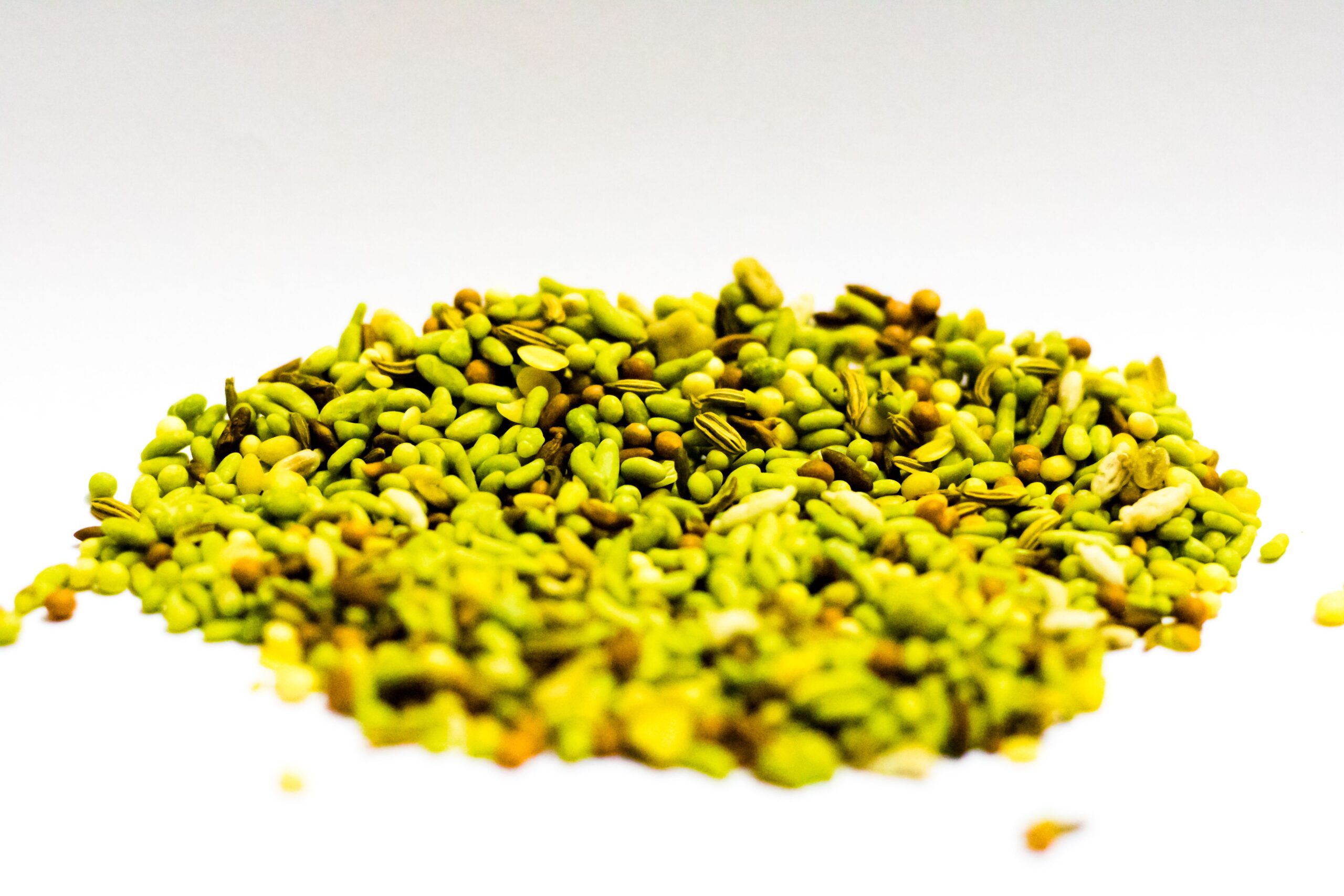
The instrument behind the “FSSAI bans plastic sachets for pan masala” coverage is the Food Safety and Standards (Packaging) Amendment Regulations 2026, File No. RCD-09002/1/2026-Regulatory-FSSAI. It amends the FSS (Packaging) Regulations 2018. A draft was published for consultation on 28 April 2026. The final notification is dated 7 August 2026 and was published in the Gazette of India on 10 August 2026. It is in force from that date. The amendment inserts pan masala as Sl. No. 11 of Schedule IV of the 2018 Regulations. The entry names paper, paperboard, cellulose or other naturally derived materials that are free from plastic (polyethylene, polypropylene, polyester, PVC and other synthetic polymers, copolymers or laminates) and free from aluminium foil or metallised layers. Tin or glass containers are permitted alternatives. The entry also applies clauses (f) and (i) of PWM Rule 4(1). Schedule IV is titled “List of suggestive packaging materials”, and the parent regulations describe it as “an indicative list not restricting the use of any other packaging material complying with the specified standards”. With the pan masala entry now notified and the Rule 4(1) clauses written into it, brands should treat plastic, foil and metallised packs for pan masala as non-compliant, and take legal advice on any edge case.
Why does this matter when Rule 4 already bars plastic for pan masala? Because of enforcement architecture rather than drafting. The PWM prohibition sits with pollution control boards, which have not enforced it for a decade. The FSSAI entry pulls an equivalent prohibition into food law, where FSSAI and state food safety officers enforce through licensing, a mechanism that touches every manufacturer’s ability to operate.
No separate transition or grace period has been reported for the FSSAI entry. If someone quotes you one, ask for the source.

Where paper-based structures fit, and where they do not
Start with the limitation, because it is the part that matters. The notified FSSAI entry requires material free from aluminium foil or metallised layers. That clause excludes flexC’s metallised paper structures, which are our own flagship products in this material class. Pakka does not offer them for pan masala. The entry also requires material free from plastic, including laminates, so any paper structure with a plastic layer needs a legal read before it goes near this category. No flexC structure, metallised or otherwise, is compliant with, approved under, or qualifying for that entry.
What can be said honestly concerns the material class the entry names: paper, paperboard and cellulose free of plastic and metallised layers. flexC is a paper-based compostable flexible packaging material sold as reel stock by GSM, and Pakka publishes barrier data on it. Water Vapour Transmission Rate below 2 g/m²/day, measured to ASTM F1249, on the metallised structures, with GSM to TAPPI T410 and thickness to TAPPI T411.
Read those two paragraphs together and the honest engineering position emerges. The barrier performance that aroma-critical products need currently comes from metallisation, and metallisation is exactly what the notified entry excludes. A non-metallised paper structure ships today, Bleached Confectionary Non-Metalized (70 GSM), but its published applications are energy, granola and protein bars, cookies and biscuits, and dry fruits and nuts. Chocolate and tea are not on that list, and they are not on it for a reason. They are aroma and oxygen critical, and that is the hard case for non-metallised paper.
Pan masala and mouth freshener sit squarely in that hard case. Menthol and volatile oils are the whole product, and holding them requires the barrier that the notified entry’s language rules out. We have no named pan masala or mouth freshener structure, and there is no published basis on which we would claim the existing non-metallised structure serves this category. The unresolved question here is a materials science question before it is a regulatory one, and it is not one anyone can answer cleanly today.
Where the material class is genuinely proven, we say so with the same directness: the lower-barrier applications above, and the categories covered in our tea packaging glossary and paper converter glossary for the underlying terminology. Our food-grade paper compliance guide covers the FSSAI food-contact side, and the compostable versus recyclable comparison explains why those three words are not synonyms in an EPR filing.
Frequently asked questions
Are plastic sachets banned for pan masala in India?
Yes, and they have been since 2016. PWM Rule 4(1)(f) prohibits plastic sachets for gutkha, tobacco and pan masala, and Rule 4(1)(i) prohibits plastic in any form in any package for those products (G.S.R. 320(E), 18 March 2016, in force). The prohibition is absolute and has gone largely unenforced for a decade. Since 10 August 2026 the notified FSSAI packaging entry for pan masala also applies both clauses.
Has FSSAI banned plastic packaging for pan masala?
FSSAI has added pan masala to Schedule IV of the FSS (Packaging) Regulations 2018 through the Food Safety and Standards (Packaging) Amendment Regulations 2026 (F. No. RCD-09002/1/2026-Regulatory-FSSAI). The final notification is dated 7 August 2026 and was published in the Gazette of India on 10 August 2026, and it is in force. The entry names paper, paperboard, cellulose or other naturally derived materials free from plastic and from aluminium foil or metallised layers, with tin or glass containers as alternatives. It also applies PWM Rule 4(1)(f) and (i). Treat plastic, foil and metallised packs for pan masala as non-compliant.
What is the deadline to switch pan masala packaging away from plastic?
The FSSAI entry has applied since its Gazette publication on 10 August 2026, and no separate transition or grace period has been reported. The PWM prohibition has no transition period either. It took effect in 2016. If you are quoted a later date, ask for the source.
Which EPR category does a multi-layer sachet fall into?
Usually Category III, multi-layered packaging, defined at rule 3(n) as a structure with at least one layer of plastic as the main ingredient combined with layers of other materials. Metallised layers were removed from that definition by the PWM (Amendment) Rules 2024 (G.S.R. 201(E), 14 March 2024, in force), so commentary quoting the older wording is out of date. The live question for a paper-based structure is the plastic sealant, which can bring it back inside the definition. Take advice rather than assuming.
What recycled content will multi-layered packaging need?
Category III must reach 10% recycled content by 2028-29, up from 5%, under the PWM (Amendment) Rules 2026 (G.S.R. 237(E), 31 March 2026, in force).
Sources: Plastic Waste Management Rules 2016, G.S.R. 320(E), 18 March 2016, MoEFCC, in force · PWM (Amendment) Rules 2024, G.S.R. 201(E), 14 March 2024, MoEFCC, in force (rule 3 clause (n) amendment) · PWM (Amendment) Rules 2026, G.S.R. 237(E), 31 March 2026, in force · PWM Rule 11 marking, G.S.R. 73(E), 23 January 2025, effective 1 July 2025 · Draft Food Safety and Standards (Packaging) Amendment Regulations 2026, F. No. RCD-09002/1/2026-Regulatory-FSSAI, 28 April 2026, consultation draft · Food Safety and Standards (Packaging) Amendment Regulations 2026, final notification dated 7 August 2026, Gazette of India 10 August 2026, in force.
Last reviewed: October 2026
Regulatory status verified: 9 October 2026. The FSSAI Packaging Amendment 2026 was notified in the Gazette of India on 10 August 2026 and is in force.
If you are mapping a sachet or pouch portfolio against these obligations and want to understand what paper-based structures can and cannot do on barrier today, our food packaging materials pages carry the published specifications and technical data sheets for each structure. For an application-specific conversation, including the ones where our answer is that paper is not yet the right substrate, talk to our team.
Browse all Pakka articles.
You may also like