Chocolate Packaging Materials in India: Barrier Data, Costs, and Where Paper Actually Works

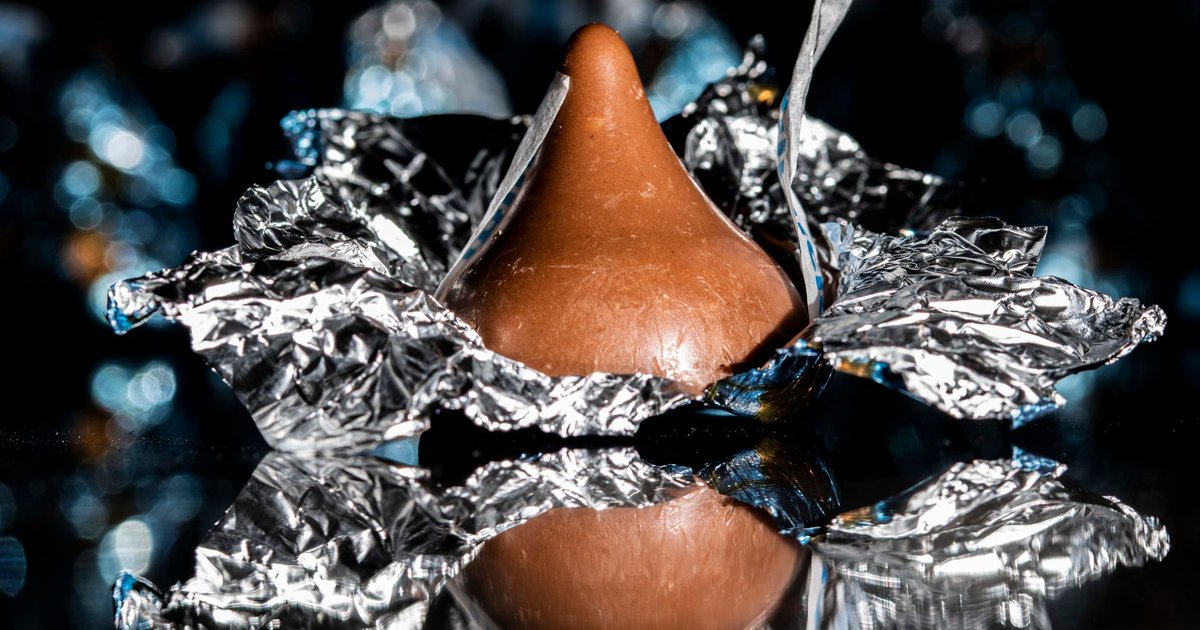
For most bars sold in India, the right chocolate packaging material is a metallised structure: aluminium foil laminate, metallised PET, or metallised paper. All three deliver the low moisture and oxygen barrier that cocoa fat demands. The real decision is not foil versus paper, but which metallised structure gives you the barrier you need at the lowest total cost, including the Extended Producer Responsibility fees you now pay on plastic.
This guide sets out what each material costs, how their barrier numbers compare, and, stated plainly, where a paper-based chocolate wrapper genuinely holds up and where foil still wins. If you package chocolate, protein bars, or filled confectionery for the Indian market, this is the material map to specify against.
What barrier properties does chocolate packaging actually need?
Chocolate packaging has to control three things at once: moisture, oxygen, and aroma. Moisture ingress dissolves surface sugar and triggers sugar bloom; oxygen turns the cocoa fat and any nut inclusions rancid; and the wrapper itself can absorb the volatile compounds that carry cocoa flavour. A material that scores well on one and poorly on another will still fail the product.
The two numbers that anchor every spec sheet are MVTR and OTR. MVTR (Moisture Vapour Transmission Rate) is the rate at which water vapour passes through a material, measured in grams per square metre per day. OTR (Oxygen Transmission Rate) is the equivalent for oxygen, measured in cubic centimetres per square metre per day. For chocolate, lower is better on both, and high-cocoa or nut-inclusion products need materially lower OTR than plain milk chocolate because their fat load oxidises faster. The full set of terms (fat bloom, aroma scalping, cold seal, dead fold) is defined in our confectionery packaging glossary, and the underlying barrier science is shared with tea, so the tea packaging glossary covers the same MVTR and OTR fundamentals.
Aroma is the quiet third criterion. Aroma scalping is the absorption of a product’s volatile flavour compounds into the packaging material itself, rather than their loss through it. Polymer sealant layers scalp cocoa and mint volatiles more readily than some paper structures, and the effect shows up as flavour flattening well before any barrier test registers a failure. That is why a wrapper can pass a lab MVTR check and still dull the product on shelf. For chocolate, the sealant layer is where both aroma scalping and food-contact migration originate, so the material’s inner surface matters as much as its barrier headline.
One honest caveat sits above all of this. Fat bloom, the grey film caused by cocoa butter migrating to the surface, is driven by temperature cycling, not by the wrapper. No packaging material prevents bloom on a bar that sits in a 40°C warehouse. Packaging limits the moisture and oxygen that accelerate quality loss around it; it does not fix a broken cold chain. Any supplier who tells you their material “prevents bloom” is overselling.
Which materials are used for chocolate packaging in India?
Four structures cover almost all chocolate sold in India: aluminium foil laminate, metallised PET laminate, metallised paper, and recyclable mono-material polyethylene film. Uncoated or coated paper without a metallised or barrier layer is a fifth option, but it is not a chocolate material. It belongs on lower-barrier products like cookies and nuts, a point we return to below.
Here is how the four realistic structures compare across the criteria that actually drive the decision. Scores are directional (5 = strongest) and reflect typical Indian sourcing conditions in 2026.
| Material structure | Barrier (MVTR/OTR) | Cost per wrapper | EPR liability | Recyclability | Line compatibility |
|---|---|---|---|---|---|
| Aluminium foil laminate | 5 (the barrier ceiling) | 2 (highest) | 2 (multi-layer plastic) | 1 (hard to recycle) | 5 (runs on most lines) |
| Metallised PET laminate | 4 (very good) | 3 (mid) | 2 (multi-layer plastic) | 2 (poor) | 5 (drop-in) |
| Metallised paper (paper-based) | 4 (foil-approaching) | 3 (mid) | 3 (depends on construction) | 3 (better, paper-dominant) | 4 (needs sealing-window tuning) |
| Recyclable mono-PE film | 2 (barrier gap on chocolate) | 3 (mid) | 3 (single polymer) | 4 (recyclable stream exists) | 4 (drop-in) |
The table makes the trade-off explicit. Foil sets the barrier ceiling but carries the worst recyclability and full multi-layer-plastic EPR exposure. Mono-PE is the easiest to recycle but leaves a barrier gap that shows up first on high-cocoa and inclusion-heavy bars. Metallised paper sits in the middle: barrier that approaches foil, with a paper-dominant construction that changes both its recyclability profile and, potentially, how it is classified under India’s plastic rules.
Aluminium foil laminate versus metallised paper for chocolate
Aluminium foil laminate is the incumbent for premium chocolate because it is, simply, the best barrier available: an unbroken metal layer is effectively impermeable to both moisture and oxygen. Metallisation means vacuum-depositing an aluminium layer a few tens of nanometres thick onto a substrate, which delivers most of foil’s barrier benefit at a fraction of its aluminium content. That is the route to foil-like performance on a paper base.
The practical difference is not the barrier headline; it is everything around it. Foil laminate is a multi-layer plastic structure that is difficult to separate and recycle, and it carries full EPR liability. Metallised paper is paper-dominant, which changes its end-of-life story and can lower its recycled-content obligations, depending on the sealant construction. On the line, foil is forgiving and metallised paper needs its sealing window dialled in, a real cost, but a one-time engineering task, not a recurring one. The switching mechanics are the same ones the tea sector already worked through; the line-by-line cost of moving from plastic laminate to paper transfers directly to chocolate.
What does each material cost, and what does EPR add?
Material price is only the visible half of chocolate packaging cost. The other half is regulatory: every plastic structure you place on the Indian market now carries Extended Producer Responsibility fees, marking obligations, and rising recycled-content targets. These are a cost of staying on plastic, not a ban on it, and they are climbing.
EPR (Extended Producer Responsibility) obligates brand owners to finance the collection and recycling of the packaging they sell, registered and reported through the CPCB portal. For a chocolate brand, that is a real and rising line item, and it is currently the strongest economic argument for material change in a category with no regulatory ban. Two specific instruments matter:
- Rule 11 marking. Under the Plastic Waste Management Rules, G.S.R. 73(E) of 23 January 2025 requires plastic packaging to carry a barcode, QR code, or unique number for traceability, effective 1 July 2025. It is material-neutral: a cost of remaining on plastic, applied regardless of the polymer.
- Category III recycled-content targets. Multi-layer plastic packaging falls in EPR Category III, which under G.S.R. 237(E) of 31 March 2026 carries recycled-content targets rising from 5% in 2025-26 to 10% by 2028-29. Foil and metallised-PET chocolate wrappers sit squarely in this category.
It is worth being precise about what the law does and does not say, because the confectionery sector is full of misinformation on this point. There is no Indian regulation banning or restricting plastic for chocolate, protein bars, or candy, and none is proposed. In fact, the FSSAI moved in the opposite direction in March 2025, permitting recycled PET for food-contact use. So the driver here is not a deadline. It is cost, brand commitment, and consumer preference. The detailed mechanics of Rule 4, Rule 11, and EPR categories are laid out in our guide to the Plastic Waste Management Rules for packaging in India, and the filing and reporting workflow is walked through in the EPR obligations guide.
The global picture reinforces the honest read. FoodNavigator reported in July 2026 that the confectionery sector worldwide is consolidating around recyclable plastic rather than plastic elimination, precisely because paper needs functional coatings for oxygen and moisture barrier, and those coatings then frustrate recycling. The material question is genuinely hard, and no one has fully solved it for chocolate.
Where paper-based film fits
Before the benefits, the limitation, stated plainly: for chocolate, metallisation is still required today. A plain paper wrapper without a metallised or high-barrier layer cannot hold the moisture and oxygen barrier that cocoa fat and volatile cocoa aroma need over a retail shelf life. This is not a marketing position; it is visible in the product data itself. Pakka’s own flexC range lists chocolate as an application for its metallised structure only. The non-metallised paper structure is specified for energy bars, cookies, biscuits, and nuts, not chocolate. If a post or a supplier tells you a bare paper wrapper is ready for high-cocoa chocolate, check the barrier numbers before you believe it.
Within that honest boundary, a paper-based metallised structure is a credible chocolate material now. flexC’s Bleached Confectionary Metalized (90 GSM) is a paper-based, compostable, metallised structure that publishes first-party barrier data with named test methods: WVTR below 2 g/m²/day (ASTM F1249, 50% RH, 23°C) and OTR below 10 cc/m²/day (ASTM F1927, 50% RH, 23°C). It is both heat and cold sealable, and cold seal matters on chocolate lines where sealing-jaw heat can mar the product. Thickness is 75 ± 2 µm and grammage is verified to TAPPI T410. It is sold as reel or laminate stock by GSM and runs on digital, flexographic, and gravure printing lines, so the buyer is whoever operates the flow-wrap line.
The trade-off is honest on both sides. You give up a little of foil’s absolute barrier ceiling and you spend engineering time tuning the sealing window on your existing line. In return you get a paper-dominant structure with a materially better end-of-life profile and lower EPR exposure than a foil or metallised-PET laminate, at barrier numbers that hold up for the great majority of milk and dark bars on a normal Indian retail shelf life. For the longest-life, highest-cocoa, inclusion-heavy premium lines in hot supply chains, foil still sets the ceiling. That is the map, without the sales gloss.
How to shortlist a chocolate packaging material
Work the decision in order rather than starting from a material you already like:
- Fix your barrier target first. Set your required MVTR and OTR from the product’s cocoa content, inclusions, and target shelf life, not from what your current wrapper happens to offer.
- Screen materials against that target. Eliminate any structure that cannot meet the barrier numbers for your worst-case product. This is where bare paper drops out for chocolate.
- Cost the full picture. Add EPR fees, Rule 11 marking, and recycled-content obligations to the material price. A cheaper plastic can cost more once its EPR liability is counted.
- Test line compatibility. Run a trial reel through your existing flow-wrap line and measure the sealing window, line speed, and seal integrity before committing.
- Validate on a real shelf-life study. Confirm the barrier holds on packed product through your actual distribution temperatures, not a lab bench at 23°C.
Frequently asked questions
What is the best packaging material for chocolate in India?
For most chocolate sold in India, a metallised structure (aluminium foil laminate, metallised PET, or metallised paper) delivers the moisture and oxygen barrier cocoa fat needs. The best choice balances that barrier against cost, recyclability, and rising EPR liability. Paper-based metallised structures now meet the barrier bar for the majority of standard milk and dark bars.
Can chocolate be packed in paper-based packaging?
Yes, but only with a metallised or high-barrier layer. A paper-based metallised structure can hold the moisture and oxygen barrier chocolate needs. A plain, non-metallised paper wrapper cannot, which is why paper-based ranges list chocolate as an application for their metallised structure only and reserve non-metallised paper for bars, cookies, and nuts.
Is there a regulation banning plastic chocolate wrappers in India?
No. There is no Indian regulation banning or restricting plastic for chocolate, protein bars, or candy, and none is proposed. The relevant rules (Rule 11 marking and Category III recycled-content targets under the Plastic Waste Management Rules) are material-neutral cost and reporting obligations on plastic, not a ban. FSSAI in fact permitted recycled PET for food contact in March 2025.
How does EPR affect chocolate packaging cost?
Extended Producer Responsibility adds a recurring cost to every plastic structure a brand places on the market, through CPCB registration, reporting, and recycled-content targets that rise from 5% in 2025-26 to 10% by 2028-29 for Category III multi-layer plastic. Counting EPR into total cost often narrows or reverses the price gap between plastic laminates and paper-based structures.
What barrier numbers should a chocolate wrapper hit?
Chocolate needs low MVTR to prevent sugar bloom and low OTR to prevent rancidity and aroma loss, with high-cocoa and nut-inclusion products needing lower OTR than plain milk chocolate. As a reference point, a paper-based metallised chocolate structure publishes WVTR below 2 g/m²/day (ASTM F1249) and OTR below 10 cc/m²/day (ASTM F1927). Set your own target from cocoa content and shelf life.
Last reviewed: August 2026
Choosing a chocolate packaging material is a barrier problem before it is a sustainability one, and the honest answer depends on your product’s cocoa content, shelf life, and supply-chain temperatures. If you are evaluating where a paper-based metallised structure fits, and where foil still earns its place, the flexC range and its published barrier data are set out on the flexC food packaging page. For a spec-level conversation about your specific bar, inclusions, and line, get in touch with the Pakka team.
Browse all Pakka articles.
You may also like