Reducing Waste on Your Converting Line: 7 Cost Optimisation Levers for Paper Bag Manufacturers


The largest lever in paper bag manufacturing cost reduction is base paper yield, not labour or power. In a typical Indian converting operation, base paper is the single biggest line in the cost sheet, so every percentage point of reel that leaves as trim, broke or rejected bags costs more than the same percentage saved anywhere else on the floor. Cut waste at the reel and the whole cost-per-bag moves with it.
Most converters chase cost in the wrong order. They squeeze the paper price with the trader, shave overtime, and negotiate the glue rate, while 5 to 8 percent of every reel walks out of the plant as trim and reject waste that no one measures. This guide sets out seven levers that reduce converting line waste in the order that actually pays, from the reel you buy to the broke you recover, so the savings land where the money is.
What is the biggest cost on a paper bag converting line?
Base paper is the biggest cost on a paper bag converting line, commonly the majority of ex-factory cost per bag, which is why waste on the substrate dominates every other saving. Labour, power, glue and handles matter, but they sit in single digits each against a raw-material line that runs well over half the total. That cost structure means the highest-return work is protecting reel yield, not trimming the smaller lines.
Converting line yield is the proportion of purchased base paper that leaves the plant as saleable, invoiced bags. Trim, broke, set-up sheets and rejects are all yield loss, and each one is paid for at the full reel price.
The demand backdrop makes yield discipline more valuable, not less. After the Central Pollution Control Board’s nationwide ban on identified single-use plastic items and on plastic carry bags below 120 microns, retail and quick-service buyers shifted volume onto paper, and order books for carry-bag grades tightened. According to the Indian Paper Manufacturers Association and IPPTA sector commentary, paper and paperboard consumption in India continues to grow at mid-single-digit rates. Rising demand rewards the converter who runs clean and punishes the one who does not, because at higher volumes a fixed waste percentage scales into real money.
Seven cost optimisation levers for paper bag manufacturers
The seven levers below are ordered by return on effort for a mid-size Indian converter, from highest-impact-lowest-capital to the longer plays. Work them top down. The first three touch yield directly and need no new machinery; the later ones compound once the basics hold.
- Match the substrate to the machine before you buy the reel.
- Attack trim and set-up waste with standard reel widths.
- Catch defects in-process, not at final inspection.
- Right-size the specification and stop over-specifying GSM.
- Control reel inventory, moisture and storage.
- Meter glue and consumables to standard usage.
- Recover and sell broke, and measure line efficiency.
Not every lever suits every plant. The table scores each on the return it typically delivers, the capital it needs, and how fast it pays back, so you can start where your operation actually sits.
| Lever | Waste impact | Capital needed | Payback speed |
|---|---|---|---|
| 1. Substrate-machine match | High | None | Immediate |
| 2. Trim and set-up reduction | High | Low | Weeks |
| 3. In-process QC | High | Low | Weeks |
| 4. Right-size the spec | Medium | None | Immediate |
| 5. Inventory and moisture control | Medium | Low | Months |
| 6. Glue and consumable metering | Low to medium | Low | Months |
| 7. Broke recovery and OEE tracking | Medium | Low to medium | Months |
1. Match the substrate to the machine before you buy the reel
A reel that sits outside your machine’s substrate window converts waste directly into cost, because it stalls the line with web breaks, glue failures and bottoms that will not square. The single largest avoidable loss on most lines is the reject rate driven by a mismatch between the paper and the former, and it is the cheapest to fix because it costs nothing but discipline at the buying stage. Decide the base paper and the converting line as one specification. The full mapping of which grammage and stiffness each format needs sits in the guide on matching substrate to your converting line, and it is the first thing to get right before any other lever earns its keep.

2. Attack trim and set-up waste with standard reel widths
Trim waste is the strip of paper cut off to bring an oversized reel down to bag width, and standardising reel widths to your live SKUs is the fastest way to shrink it. A reel 40 mm wider than the bag needs loses that 40 mm on every metre run, all year, at full reel price. Order reel widths matched to your running sizes, group similar SKUs onto the same width, and the trim line falls without touching output. Set-up waste, the sheets lost threading a new reel and dialling in register, compounds the same problem: the more short runs and changeovers, the more make-ready paper you throw. Longer runs of fewer widths cut both losses at once.
Make-ready is the paper and time consumed bringing a line up to saleable output after a reel change or job change. It produces no invoiced bags, so every make-ready sheet is pure yield loss.
3. Catch defects in-process, not at final inspection
In-process inspection is the highest-value quality lever because a defect caught at the forming station wastes one reel-metre, while the same defect caught at final inspection wastes every bag made since it started. A drifting glue line, a cracked bottom score or a ghosting print that runs unchecked for an hour becomes thousands of rejected carry bags, each one paid for in full. Put a check at the forming and gluing stations, not just at dispatch. The properties that predict most of these failures, burst factor, tear index and porosity, can be verified on the incoming reel before it ever runs, as the base paper testing guide sets out. According to converting-machinery OEM specifications, automatic tube-type paper bag machines run roughly 60 to 250 bags per minute depending on format, so an hour of undetected reject is a very expensive hour.
4. Right-size the specification and stop over-specifying GSM
Over-specifying grammage is silent, permanent waste, because a bag built at 90 GSM when 80 GSM carries the load pays a paper premium on every unit for the life of the contract. The commercial floor for paper carry bags sits at about 80 GSM, since no Bureau of Indian Standards specification covers them, and many converters quietly run heavier than the end use needs out of caution. Match grammage to the actual load and handle type rather than defaulting up, and the saving recurs on every bag. The full decision framework for grammage against end use is in the guide on GSM selection for carry bags. Right-sizing is not corner-cutting: it is specifying to the job, and it holds only when your incoming paper is consistent enough to trust the lower band.
5. Control reel inventory, moisture and storage
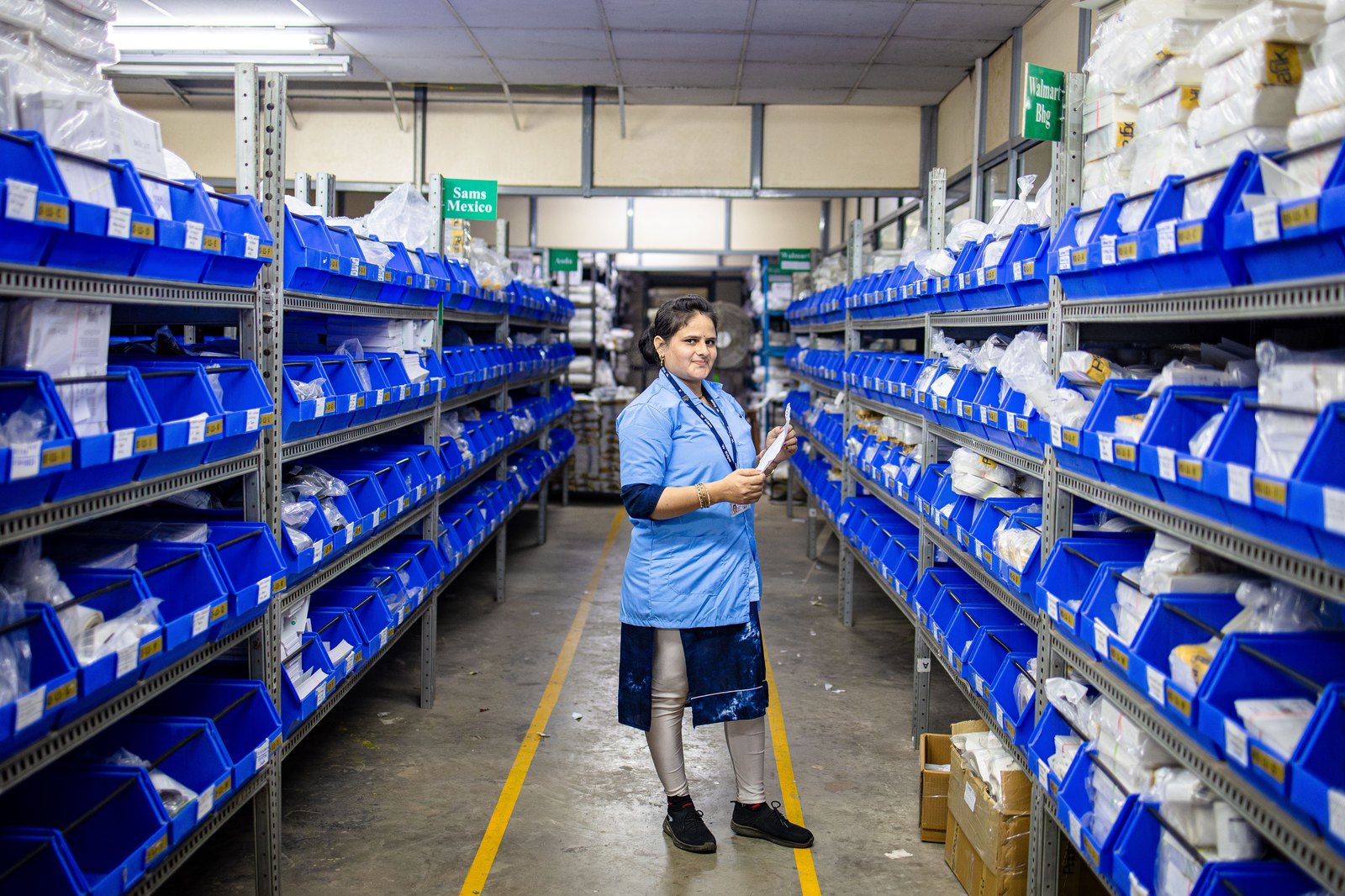
Reel inventory that ages or absorbs humidity turns bought paper into waste before it reaches the machine, so storage discipline is a direct cost lever. Paper delivered at 6 to 9 percent moisture runs inside the machine’s window; a reel that has picked up damp in a monsoon-season godown runs slack, glues poorly and curls after cutting, and the rejects that follow are charged to a reel you already paid for. Rotate stock first-in-first-out, keep reels off damp floors and away from open shutters, and buy to a forecast rather than to a trader’s discount. The controls that stop damaged and ageing reels entering the plant belong at the buying stage, which the base paper procurement checklist covers reel by reel.
6. Meter glue and consumables to standard usage
Glue and consumables are a smaller line than paper, but unmetered usage leaks steadily and is easy to standardise. Set a target glue weight per thousand bags, measure against it, and investigate drift rather than topping up the pot on feel. Over-gluing wastes adhesive and slows drying, which then slows the line; under-gluing fails the bottom bond and produces rejects. The same logic covers cores, wrapping and stretch film. None of these individually rivals the paper saving, but together they trim the variable cost base and, more usefully, they build the habit of running to a standard instead of to instinct.
7. Recover and sell broke, and measure line efficiency
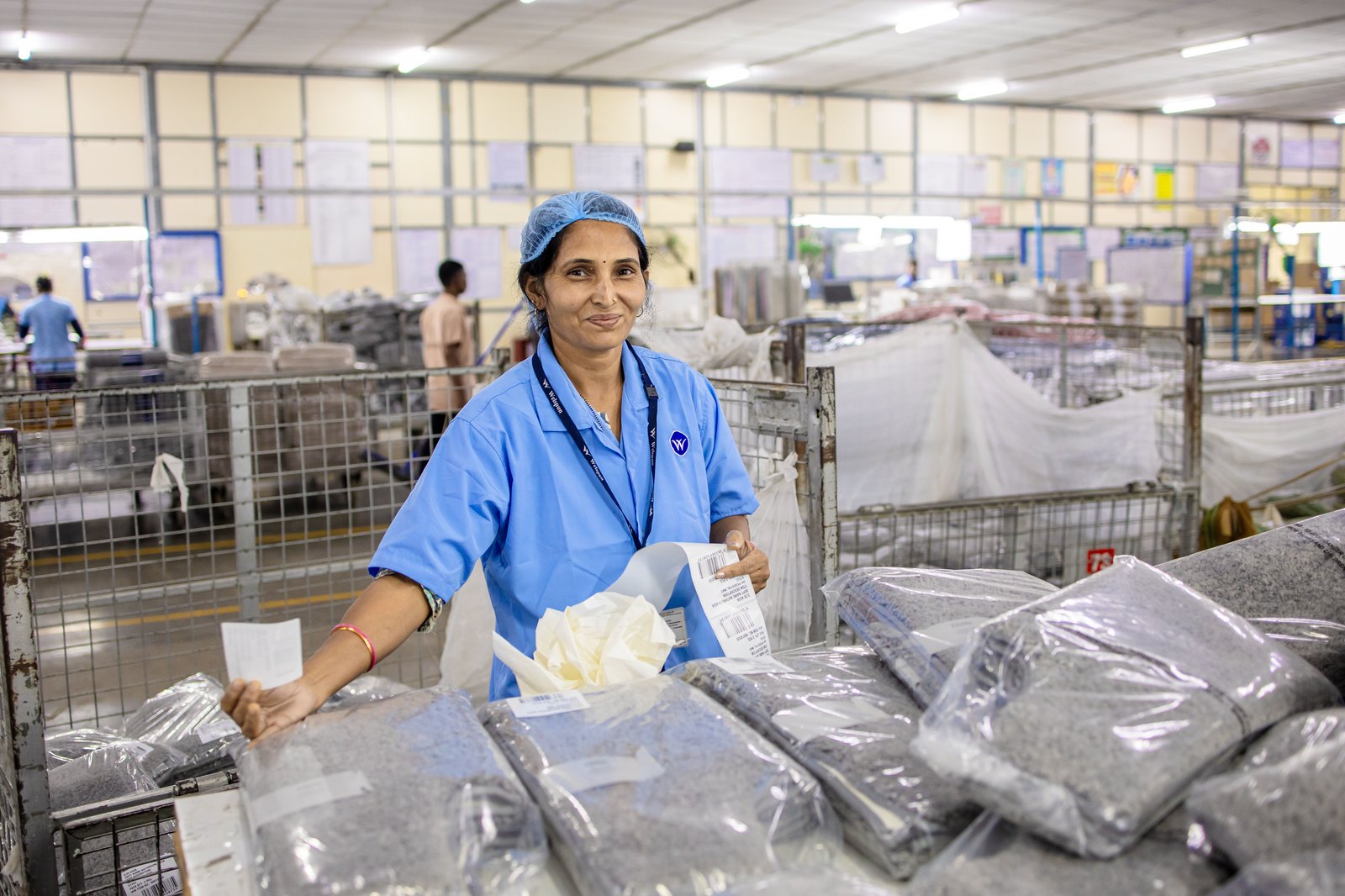
Broke is the paper waste generated inside the plant, from trim, set-up and rejects, and recovering it turns a sunk cost into a small recovery while the measurement it forces drives the real gain. Baled clean broke sells back to mills as recycled furnish, so segregate it by grade rather than mixing it into general waste. More valuable than the scrap price is the number itself: once you weigh broke per shift, you can see which job, reel or operator generates it, and that visibility is what makes levers one through six stick. Tracking overall equipment effectiveness, the product of availability, speed and quality, gives the same signal at line level and tells you whether a cost problem is a paper problem, a machine problem or a scheduling one.
Overall equipment effectiveness (OEE) is the share of theoretical maximum output a line actually delivers as good bags, after downtime, speed loss and rejects. It converts scattered waste sources into one number a plant can manage.
How much converting line waste is normal?
A well-run paper bag converting line typically loses 3 to 6 percent of base paper to trim, set-up and rejects combined, while lines without active waste control commonly run 8 percent or higher. The gap between those two figures is the prize: on a plant converting several hundred tonnes a year, closing even three points of waste on a raw-material line that dominates cost is a larger margin gain than most price negotiations deliver. Benchmarks vary by format, because a D-cut line with heavy set-up runs differently from a long-run W-cut line, but the direction holds across all of them. What separates the two figures is rarely the machine; it is whether anyone weighs the waste. The converters who know their waste number improve it, and the discipline of costing every reject at full reel price, the same discipline that underpins sound contract pricing and margin protection, is what turns a vague sense of waste into a managed line.
Where does paper bag cost reduction go wrong?
Cost reduction fails on a converting line when it chases the cheapest reel instead of the highest yield, because a lower paper price that lifts the reject rate costs more than it saves. A reel bought 3 percent cheaper that runs at 8 percent reject against a 4 percent baseline has destroyed the saving and then some, all at full reel price. The honest limit of these levers is that they demand measurement the plant may not yet keep, and a converter running on gut feel will not see the trade-offs until broke and OEE are weighed shift by shift. Where a plant genuinely cannot standardise, on very short bespoke runs or a mixed legacy machine fleet, some set-up waste is structural and no lever removes it fully. The point is to remove the avoidable waste, not to pretend all of it is avoidable.
Frequently asked questions
What is the biggest source of waste in paper bag manufacturing?
Base paper yield loss, which shows up as trim, set-up sheets, broke and rejected bags. Because base paper is the majority of ex-factory cost, waste on the substrate outweighs savings on labour, power or glue. The highest-return work is protecting reel yield first.
How do I reduce trim waste on a paper bag machine?
Standardise reel widths to your live SKUs, group similar sizes onto the same width, and run longer jobs with fewer changeovers. A reel wider than the bag needs loses that strip on every metre at full reel price, so matching reel width to running size is the fastest trim saving.
What is a normal waste percentage for a converting line?
A well-run line typically loses 3 to 6 percent of base paper to trim, set-up and rejects combined. Lines without active waste control often run 8 percent or higher. The difference is measurement rather than machinery.
Does buying cheaper base paper reduce cost?
Only if yield holds. A cheaper reel that runs a higher reject rate costs more than it saves, because every reject is charged at full reel price. Judge base paper on delivered cost per good bag, not on the quoted reel price.
How does over-specifying GSM increase cost?
Running heavier grammage than the load needs pays a paper premium on every bag for the life of the contract. The commercial floor sits at about 80 GSM for paper carry bags; matching grammage to actual end use, rather than defaulting up, saves recurring cost without failing the spec.
Last reviewed: July 2026
Evaluate base paper for yield, not just price
Every lever here comes back to one decision: whether the base paper you run converts cleanly at the grammage the job needs. Pakka’s food-grade wrap and carry paper grades are made to consistent GSM, moisture and strength tolerances so converters can right-size the spec and hold the lower band without lifting reject rates. Where a grade does not suit your machine format or load, we will say so rather than sell you a reel that stalls your line. Explore the food wrap and carry paper range, where downloadable spec sheets set out grammage, Cobb and strength data for each grade, or reach our technical team directly through the contact page to match a grade to your converting line.
Browse all Pakka articles.
You may also like