Bagasse-Based Paper for Carry Bags: Where It Works, Where It Does Not, and What to Test First

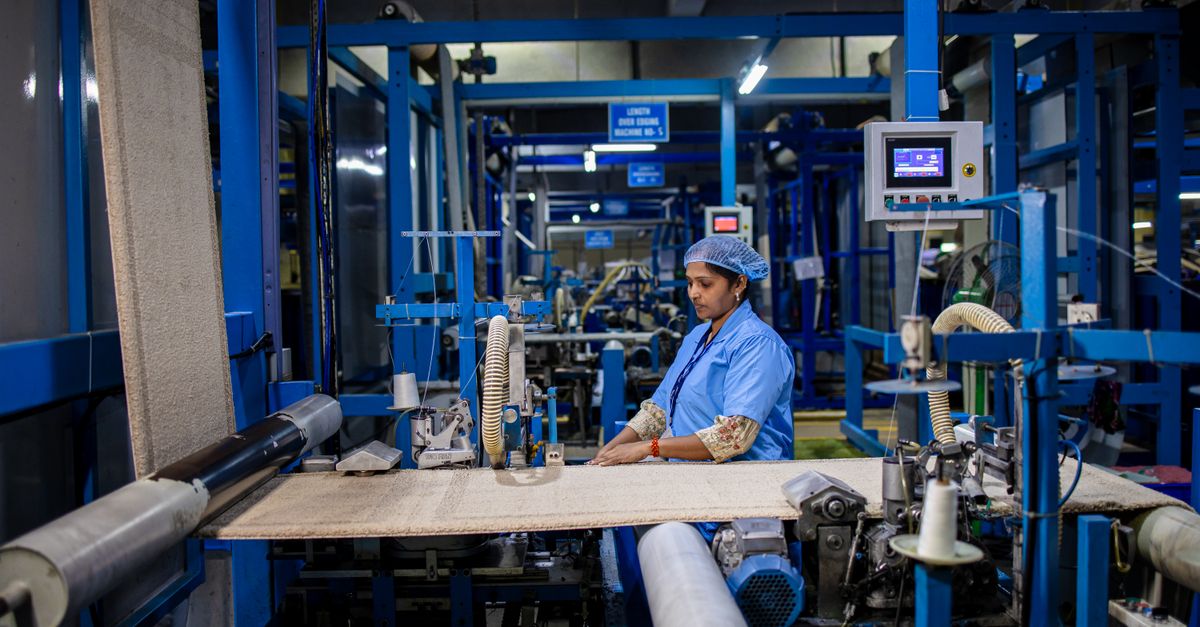
Bagasse-based paper works well for lightweight to medium carry bags where a compostable, agri-residue sourcing claim carries commercial weight, and works poorly where high burst strength, heavy load ratings, or long unsupported runs on a fast automatic line are the priority. Before switching base paper, a converter should test runability, wet strength, and grease resistance on their own line, not accept a mill’s data sheet at face value.
The decision is rarely as simple as “it is greener, so switch”. Bagasse paper is a genuine option for specific bag formats and specific buyers, and a false economy for others, and the difference usually shows up on the converting line before it shows up in a lab report. This guide is for converters weighing sugarcane-fibre paper against their existing kraft supply.
What is bagasse-based paper, and is it suitable for carry bags?
Bagasse-based paper is paper made from sugarcane bagasse fibre in place of, or blended with, wood pulp, and it is suitable for many carry bag formats provided the grade is engineered for bag-making rather than for moulded tableware. Bagasse — the fibrous residue left after sugarcane stalks are crushed for their juice — is a short-to-medium fibre feedstock that produces a serviceable but softer sheet than virgin wood kraft. Whether a given bagasse grade suits carry bags depends entirely on how it has been pulped, refined, and sized, so “bagasse paper” is not one material but a family of sheets with very different bag-making behaviour.
The raw material base is not marginal. According to central government projections cited by the Indian Sugar and Bioenergy Manufacturers Association, India’s sugarcane production for 2024-25 was projected at roughly 440 million tonnes, and bagasse typically represents around 30% of crushed cane by weight, so the feedstock is abundant and domestic. Yet agro-residues, bagasse and wheat straw together, still account for only around 8-9% of Indian paper raw material, against roughly 73-76% recycled fibre and about 18% wood, per CPPRI figures referenced by IPPTA. The gap between abundant feedstock and modest usage is the first thing a converter should understand, because it explains most of the supply and consistency issues covered below.
For the material properties behind terms like burst factor, tear index, and Cobb value used throughout this guide, the paper converter glossary defines each precisely.
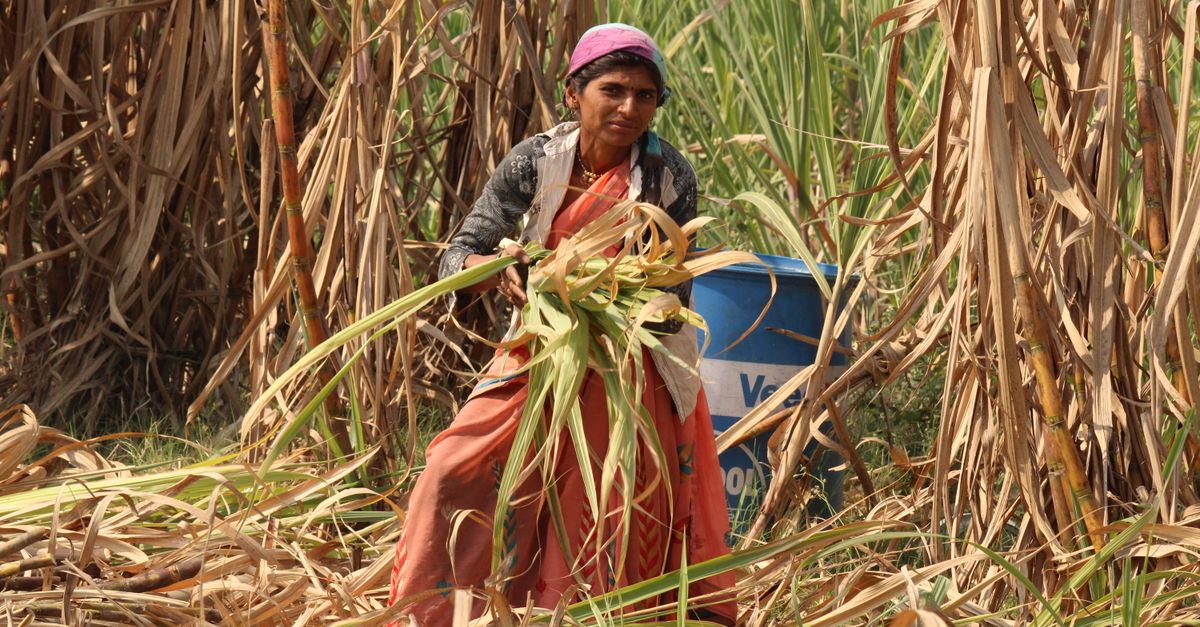
Where does bagasse paper work well for carry bags?
Bagasse paper works best where the sourcing story is part of the sale and the mechanical demand on the bag is moderate: boutique retail bags, D-cut bags for pharmacy and apparel, food-service bags for dry or lightly greasy items, and any bag where a compostable, non-wood claim helps close a contract. In these formats the shorter bagasse fibre is not a liability, because the bag is not being asked to carry a heavy dynamic load.
Three application zones where bagasse earns its place:
- Compostable-positioned retail and food-service bags. Where a brand wants an agri-residue, tree-free narrative on the bag, uncoated or water-based-coated bagasse paper supports the claim directly. This is the strongest commercial case for the material.
- Lightweight to medium carry bags (roughly 60-100 GSM). D-cut and flat-handle bags for retail, apparel, and pharmacy sit comfortably within bagasse paper’s strength envelope when the grade is properly refined.
- Print-forward bags. Well-formed bagasse sheets take a smooth, bright, printable surface, which suits branded retail bags where print quality matters more than raw tear strength. The printability trade-offs are similar in principle to the ones covered in kraft paper versus poster paper for carry bags.
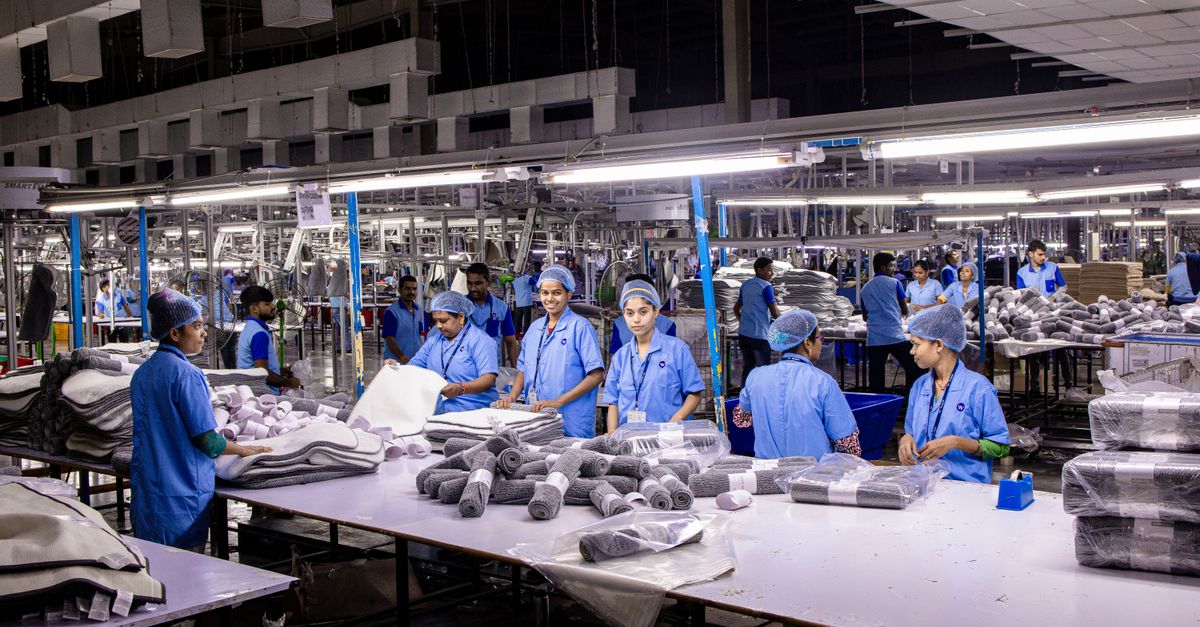
The fibre morphology supports these uses. According to a comparative fibre analysis of agricultural residues in BioResources, bagasse fibre averages around 1.0-1.5 mm in length, roughly half that of softwood kraft but comparable to hardwood such as eucalyptus. That places bagasse squarely in hardwood-substitute territory: fine for formation, printability, and moderate strength, but not a replacement for the long-fibre reinforcement that heavy-duty bags rely on.
Where does bagasse paper not work for carry bags?
Bagasse paper does not work where the bag must carry heavy or sharp loads, survive damp or oily contents without a barrier, or run for long unsupported spans on a high-speed automatic line, because its shorter fibre gives lower tear propagation resistance and its natural sheet is more absorbent than sized wood kraft. Pushing bagasse into a grocery-grade or industrial-load bag is where converters get burned.
The specific failure modes to plan around:
- Handle and stress-point tearing. Lower tear index means D-cut punch-outs and glued handle patches are more likely to tear under snatch loads. For heavier bags, a wood-kraft or sack-kraft handle reinforcement, or a higher GSM, is often unavoidable. The tests that expose this are set out in the base paper testing guide.
- Wet and grease strength. Uncoated bagasse absorbs moisture and oil readily. Without a water-based coating or adequate internal sizing, food-service bags strike through and lose wet strength, so a low Cobb value must be specified and verified, not assumed.
- Runability on fast lines. Higher short-fibre and residual pith content can mean more dust, more web breaks, and less dimensional stability at speed. A grade that behaves on a slow semi-auto line can misbehave at 200-plus bags per minute.
- Supply consistency. Because bagasse competes directly with sugar mills’ own cogeneration boilers as a power fuel, its availability for pulping is seasonal and uneven, a supply constraint IPPTA has documented for decades. Lot-to-lot variation is a real procurement risk, not a theoretical one.
None of these rules bagasse out. Each is a reason to match it to the right bag and specify it tightly rather than treat it as a drop-in for kraft.
How does bagasse paper compare with wood kraft for converters?
For a converter, the honest comparison is that bagasse paper trades some strength and runability for a compostable sourcing claim and domestic availability, while virgin wood kraft trades that claim for the highest strength and the most predictable line behaviour. Neither is universally better; the right choice follows the bag format and the buyer. The matrix below scores the three base papers a converter most often weighs, on the criteria that decide a line trial.
| Base paper | Strength (burst/tear) | Printability | Line runability | Compostable claim | Cost & availability |
|---|---|---|---|---|---|
| Virgin wood kraft | High | Medium | High | Weak (tree-based) | Higher cost, import-exposed |
| Bagasse-based paper | Medium | High | Medium | Strong (agri-residue) | Moderate, seasonal supply |
| Recycled kraft | Low-Medium | Low-Medium | Medium | Medium (recycled content) | Lowest cost, widely available |
Read this as a fit exercise, not a ranking. A boutique retail bag with a sustainability story scores bagasse highest; a 5 kg grocery or industrial bag scores virgin kraft highest; a cost-driven non-food bag often lands on recycled kraft. Many converters end up running all three for different order books rather than standardising on one. The commercial context for which buyers pay for which claim is covered in what QSR chains expect from their paper bag suppliers, and the procurement discipline that keeps any of these grades consistent is set out in the base paper procurement checklist.
What should converters test first before switching to bagasse base paper?
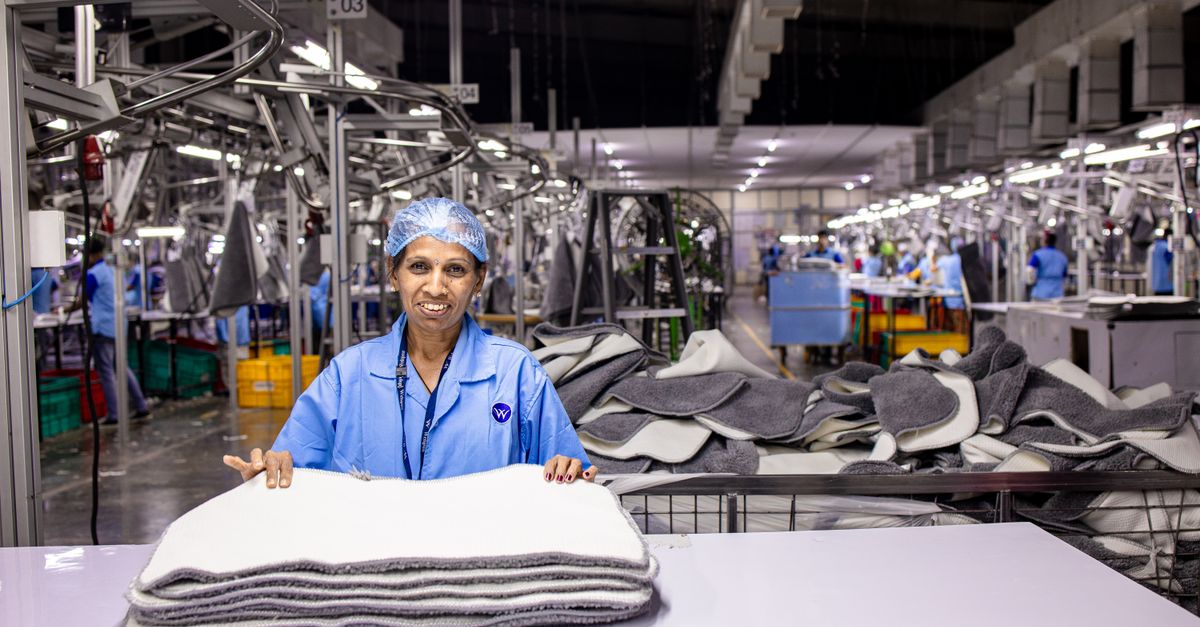
Before committing an order to bagasse base paper, run a structured five-step trial on your own line and lab, because a mill’s certificate of analysis describes the reel it was cut from, not how the sheet behaves through your printing, folding, and gluing stations. Test in this sequence:
- Grammage and caliper consistency. Confirm GSM and caliper hold within tolerance across the reel and between reels. Bagasse sheets can vary more than wood kraft, and feeding problems on automatic machines start here.
- Burst factor and tear index. Measure both, in machine and cross direction, against the load rating the bag is sold at. This is where bagasse’s shorter fibre shows up, so test to the real use case, not a nominal figure.
- Cobb value and grease resistance. For any food-service or humid-storage bag, verify water absorption and, where relevant, grease penetration. Specify the Cobb ceiling before the trial rather than discovering it after.
- Runability at production speed. Run a full production-speed trial, not a hand-fed sample. Watch for dust, web breaks, register drift, and glue bond quality on the bag bottom. A sheet that passes the lab can still fail the line.
- Print and adhesion. Confirm ink adhesion, drying, and coating hold-out match your process, and that any water-based barrier coat does not compromise the compostability claim you intend to make.
Document the results against your acceptance tolerances so the trial becomes a repeatable specification, the same discipline that underpins reliable quality control on the converting line.
Is bagasse paper compostable, and does it help with EPR compliance?
Uncoated or water-based-coated bagasse paper is genuinely compostable and can be certified as such, but compostability is a tested property under a defined standard, not an automatic consequence of using agri-residue fibre, and any plastic lamination voids the claim entirely. Compostable certification — third-party verification that a material disintegrates and biodegrades into non-toxic compost under defined conditions within a set timeframe — is what turns “made from sugarcane” into a claim a procurement team will accept. In India the relevant testing framework sits under IS/ISO 17088 and CPCB’s provisional certification route for compostable products.
The regulatory nuance matters for converters positioning bagasse under India’s packaging rules. Non-wood, agri-residue paper generally sits outside the recycled-content targets written for conventional fibre, and is instead evidenced through compostability certification, a distinction that intersects directly with Extended Producer Responsibility for paper packaging. The Central Pollution Control Board’s plastic and packaging framework is the primary reference for how compostable claims are recognised, so verify the current certification route before printing a compostable mark on a bag. For food-contact bags, compostability sits alongside, not instead of, food-safety compliance, which the food-grade paper bag compliance guide covers in full.
The honest position for a converter: bagasse gives you a real, defensible compostability story where the bag is uncoated or water-based-coated, and no story at all if you laminate it with PE to solve a grease problem. Decide the barrier strategy and the environmental claim together, not in sequence.
FAQ
Is bagasse paper strong enough for carry bags?
For lightweight to medium carry bags, yes, when the grade is properly refined and sized. Bagasse fibre averages around half the length of softwood kraft, so its tear and burst strength are lower, which makes it well suited to D-cut retail, apparel, and pharmacy bags but a poor fit for heavy grocery or industrial loads. Always test burst factor and tear index against the bag’s actual load rating before committing.
What GSM bagasse paper works for carry bags?
Most bagasse carry bags run in the 60-100 GSM range, matching the grammage bands used for equivalent kraft bags. Lightweight retail and D-cut bags sit at the lower end; heavier handled bags need the upper end or a kraft handle reinforcement. Grammage consistency across reels matters more with bagasse than with wood kraft, so verify it on every lot.
Is bagasse paper compostable and certifiable in India?
Uncoated or water-based-coated bagasse paper can be certified compostable under the IS/ISO 17088 framework via CPCB’s provisional certification route, but compostability must be tested, not assumed, and any PE or PP lamination disqualifies the bag. Confirm the current certification pathway before making a compostable claim on a bag.
Can bagasse paper replace kraft paper bags entirely?
Rarely in a single move. Bagasse suits lightweight to medium bags with a sustainability story, while heavy-duty and high-runability bags still favour wood kraft. Most converters run bagasse alongside kraft for different order books rather than replacing kraft outright, choosing the base paper per bag format and per buyer.
Does bagasse paper run on standard bag-making machines?
Generally yes, on the same W-cut, D-cut, and flat-handle lines, but it can behave differently at speed. Higher short-fibre and residual pith content can raise dust and web breaks and reduce dimensional stability, so a full production-speed trial is essential before scaling an order.
Last reviewed: August 2026
Where a bagasse grade fits your bag and buyer, the value is real; where the load rating or barrier demand outruns the fibre, wood kraft is the honest answer, and a converter is better served knowing that before the line trial than after. Pakka’s food-wrap and carry paper is engineered to defined food-grade and carry-bag specifications, and the technical team can help match a base-paper grade, bagasse or wood kraft, to the strength, Cobb, and compostability profile your order actually needs. Spec-sheet PDFs for each grade are available to download on the food wrap and carry product page. For a grade-to-format question on a specific bag you are quoting, talk to the technical team before you place a trial order.
Browse all Pakka articles.
You may also like