Food-Grade Paper Bag Compliance in India: FSSAI Rules, Ink Migration, and What Export Markets Demand

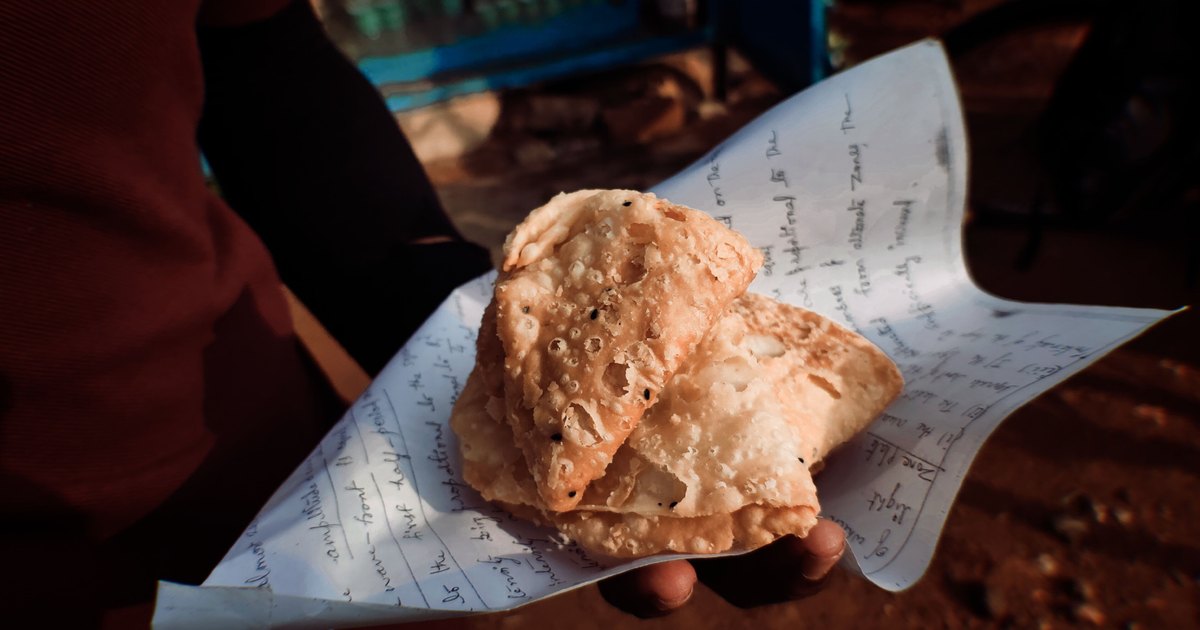
A paper bag qualifies as food-grade in India only when both the base paper and the print system conform to the material standards named in the FSSAI Packaging Regulations, and when migration from the paper into the food stays within defined limits. Selling a bag as “food-safe” without an IS 15495 migration test report and a compliant ink declaration is a compliance gap, not a marketing choice. For a converter, that distinction decides whether a QSR or export buyer clears your sample or rejects it.
This guide separates what the law actually requires from what the market has started to demand ahead of the law. It covers the FSSAI rules that govern paper in food contact, the two migration risks auditors now test for, the Cobb and grease numbers your base paper must hit, and the extra dossier export buyers in the EU and US expect. It differs from our BIS standards for paper carry bags guide, which covers structural quality, and from our EPR for paper packaging briefing, which covers end-of-life responsibility. Food-grade is a third, separate axis: what the paper does to the food touching it.
Are paper bags food-safe in India by default?
No. Paper is not food-safe by default, and treating it as inherently safe is the most common error converters make. A paper carry bag becomes food-grade only when the base paper, any coating, and the printing ink are each shown to conform to the Food Safety and Standards (Packaging) Regulations, 2018. According to the FSSAI regulations, which took effect on 1 July 2019, packaging materials used in direct contact with food must conform to the Indian Standards specified in the schedule, and printing inks must comply with IS 15495 and must not come into direct contact with the food. Compliance is therefore not a single certificate but three separate conformances that have to hold at the same time. The obligation also reaches the converter through the customer: an FSSAI-licensed food business that fails a packaging check traces the non-conformance straight back to its bag supplier, which is why brands now ask for the paperwork up front rather than after an incident.
That last clause catches converters out constantly. A printed carry bag where the internal face carries ink, or where ink offsets onto the inner surface during reeling, fails the direct-contact test even if the ink itself is nominally food-safe. Recycled-fibre kraft raises a second flag: recovered paper can carry contaminants from its previous life, which is why food-grade work almost always specifies virgin fibre or tested recycled grades rather than generic recycled kraft.
Food-grade paper: paper whose fibre, coating, and any surface treatment are demonstrated, through migration testing to a recognised standard, not to transfer harmful or organoleptically detectable substances into the food it contacts.
What does FSSAI require for printed paper food packaging?
FSSAI requires that paper and board in direct food contact meet IS 15495, that inks conform to IS 15495 and stay off the food-contact surface, and that the overall material does not alter the food’s odour, taste, or safety. The governing instrument is the Food Safety and Standards (Packaging) Regulations, 2018, read together with the material specification IS 15495, “Paper and Board intended to come in contact with foodstuffs.” The regulation is a framework: it points to the IS specifications for the actual numeric limits rather than listing them itself.
Three obligations sit on the converter specifically. First, source base paper with a mill declaration or third-party test certificate against IS 15495. Second, use a printing ink system with a food-contact conformance statement from the ink supplier, and keep print off the inner face. Third, retain batch traceability linking each finished-bag lot to the reel and ink batch it was made from, because an FSSAI-licensed food business will ask for it during their own audit. The Indian Institute of Packaging and NABL-accredited labs run the migration testing most converters use to generate these certificates.
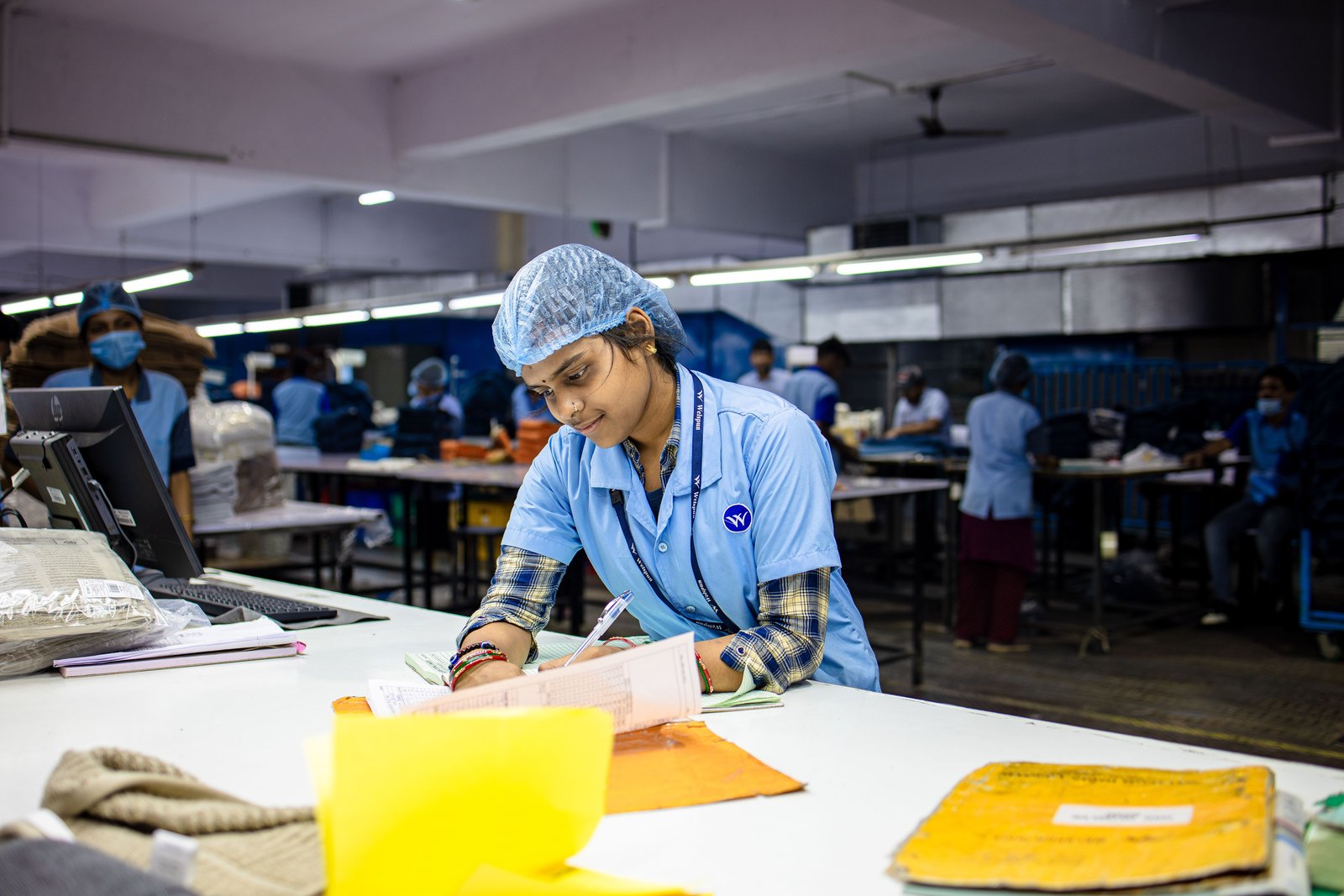
Terms such as Cobb value, grease resistance, and migration recur throughout this guide. The paper converter glossary defines each in a sentence or two with the converter use-case, and is worth linking your quality team to before their first food-grade audit.
What is ink migration and why do auditors test for it?
Ink migration is the movement of ink components, or mineral oils carried by the paper, from the packaging into the food, and it is the single risk that separates a genuinely food-grade bag from a merely printed one. It happens by three routes: direct contact where ink touches food, set-off where ink transfers to the reverse face in the reel and then contacts food, and gas-phase or penetration migration where volatile or low-molecular-weight substances travel through the paper. A visually clean bag can still fail a migration test, which is why auditors rely on laboratory results rather than inspection. Migration is measured two ways: an overall migration limit that caps the total mass transferred into a food simulant, and specific migration limits that cap named substances of concern one by one. Both have to be met for the same food type and contact temperature the bag will actually see in service.
Ink migration: the transfer of ink constituents or paper-borne mineral oil into food, measured against overall and specific migration limits; the reason food-grade printing must be evaluated by testing, not by appearance.
The mineral-oil route is the one regulators have tightened most. Mineral oil aromatic hydrocarbons (MOAH) and saturated hydrocarbons (MOSH) can migrate from recycled fibre and from certain inks. According to Commission Recommendation (EU) 2017/84, member states were asked to monitor mineral oil in food and in food-contact materials including paper and board, and MOAH is now treated as unacceptable in food by several EU buyers. For an Indian converter shipping printed food bags, this is why a “recycled kraft, printed both sides” spec that passes domestically can still be rejected by an export customer. Our burst factor, tear index, and porosity testing guide covers the physical test methods; migration testing is the separate chemical layer that food-grade work adds on top.
What Cobb value and grease resistance do food-grade paper bags need?
Food-grade paper bags for oily or moist food generally need a Cobb value below 30–40 g/m² and a demonstrated grease-resistance rating, because oil strike-through both ruins the bag and signals that the barrier is inadequate. Cobb value measures how much water the paper absorbs over 60 seconds; a lower number means better moisture resistance. For dry-food bags the requirement is looser, but for samosas, fried snacks, burgers, and bakery items, the barrier performance is where most domestic food-grade bags actually fail in service rather than in the lab.
Cobb value: grams of water absorbed per square metre of paper over a fixed time, typically 60 seconds; for food-grade oily-food applications converters target below 30–40 to prevent oil strike-through and wet-strength collapse.
Grease resistance is achieved either through the fibre furnish and refining, or through a barrier coating. The compliance trap sits in the coating: a fluorochemical (PFAS) grease barrier delivers excellent oil resistance but is being restricted in exactly the export markets converters want to reach, so a PFAS-coated bag can be food-legal in India today and unsellable in the EU or several US states. Water-based and dispersion coatings are the compliant direction of travel. Choosing the barrier route is a market-access decision as much as a performance one, and it should be made against where the bag will ultimately be sold.
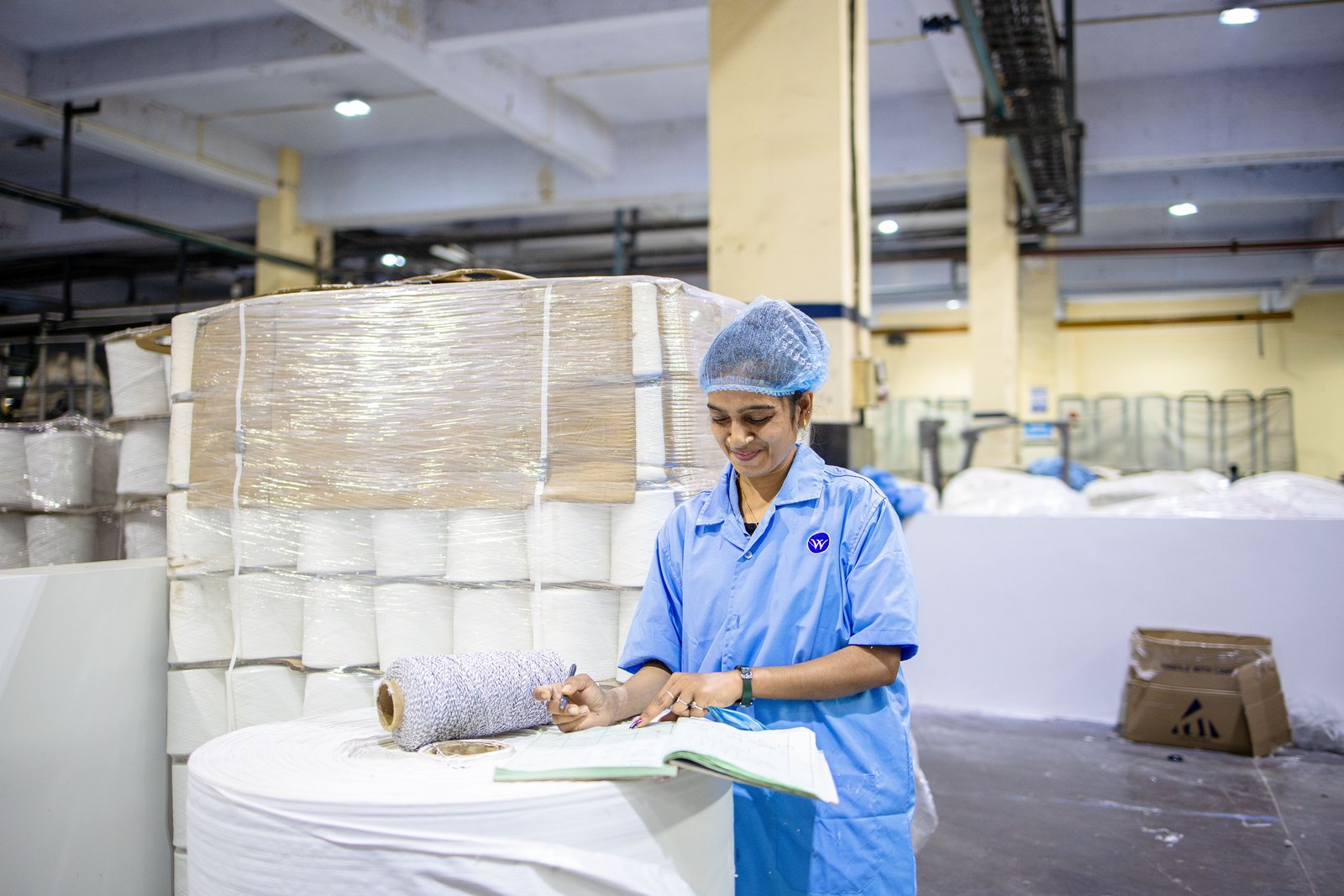
How to qualify a paper grade as food-grade: the converter’s sequence
Qualifying a base paper as food-grade for a specific application follows a fixed five-step sequence. Skipping a step is how converters end up with a test certificate that does not actually cover the food type they are selling into.
- Define the food contact conditions. Specify the food type (dry, moist, or fatty), the contact temperature, and the contact time. A certificate generated for dry food does not cover a hot, oily samosa. This determines which migration test simulant applies.
- Obtain an IS 15495 conformance test. Have the base paper tested by an accredited lab against IS 15495 for overall migration and any relevant specific limits, using the simulant matched to your food type.
- Verify the ink and coating system. Collect a food-contact conformance declaration from your ink and coating suppliers, and confirm the print stays off the food-contact face. For export, confirm the ink is low-migration and mineral-oil-controlled.
- Run barrier and Cobb tests. Test Cobb value and grease resistance (a kit test or turpentine test) for oily-food grades. Confirm the numbers hold at the temperature the food is served at, not just at ambient.
- Lock traceability. Record the reel, mill certificate, ink batch, and coating batch against each finished-bag lot, and retain the records for at least the shelf life your food-business customer requires.
Which food-grade evidence posture should your converter take?
The right level of food-grade evidence depends on where your bags are sold, and over-investing is as common as under-investing. Here is how the three realistic postures compare across the criteria a food-business or export buyer’s qualification team actually weighs.
| Evidence posture | Market reach | Indicative cost (INR) | Migration testing depth | Export readiness | Best for |
|---|---|---|---|---|---|
| Supplier declarations only (mill + ink) | Local sweet shops, independent QSR franchisees | 0 – 15,000 | None of your own; relies on upstream claims | None | Converters supplying small food-service outlets that do not audit |
| IS 15495 test report + ink conformance, refreshed yearly | Organised QSR, packaged-food brands, modern-trade food counters | 60,000 – 1,20,000 | Overall migration + Cobb/grease, food-type matched | Partial | Most growth-stage converters quoting national food brands |
| Full export dossier: IS 15495 + EU 1935/2004 + FDA 21 CFR + MOSH/MOAH + PFAS-free | Export food-grade, MNC private label, premium retail | 2,00,000 – 4,00,000+ | Full migration panel incl. mineral oil, per SKU | Full | Converters targeting EU/US buyers or MNC food supply chains |
The middle posture is where most serious food-grade converters sit. It costs a fraction of a full export dossier and is accepted by the organised QSR buyers who represent the bulk of domestic food-bag volume. For the buyers behind that volume and the specs they issue, our guide on what McDonald’s, Starbucks, and Burger King expect from paper bag suppliers maps the commercial requirements that sit alongside food-grade compliance.
What do export markets demand beyond FSSAI?
Export food-grade markets demand compliance with their own framework laws plus active control of mineral oil and, increasingly, proof that the bag is PFAS-free. FSSAI conformance is the floor, not the passport. Two regimes dominate what Indian converters are asked for.
For the European Union, the governing law is Regulation (EC) No 1935/2004, whose Article 3 requires that food-contact materials not transfer constituents in quantities that could endanger health or unacceptably change the food’s composition, taste, or odour. There is no single harmonised EU measure for paper specifically, so buyers fall back on Germany’s BfR Recommendation XXXVI as the working benchmark, and they expect MOSH/MOAH data. For the United States, paper and paperboard components must clear FDA 21 CFR 176.170 and 176.180, covering materials in contact with aqueous, fatty, and dry foods respectively. A converter holding IS 15495 data still needs these overlaid before an export sample clears.
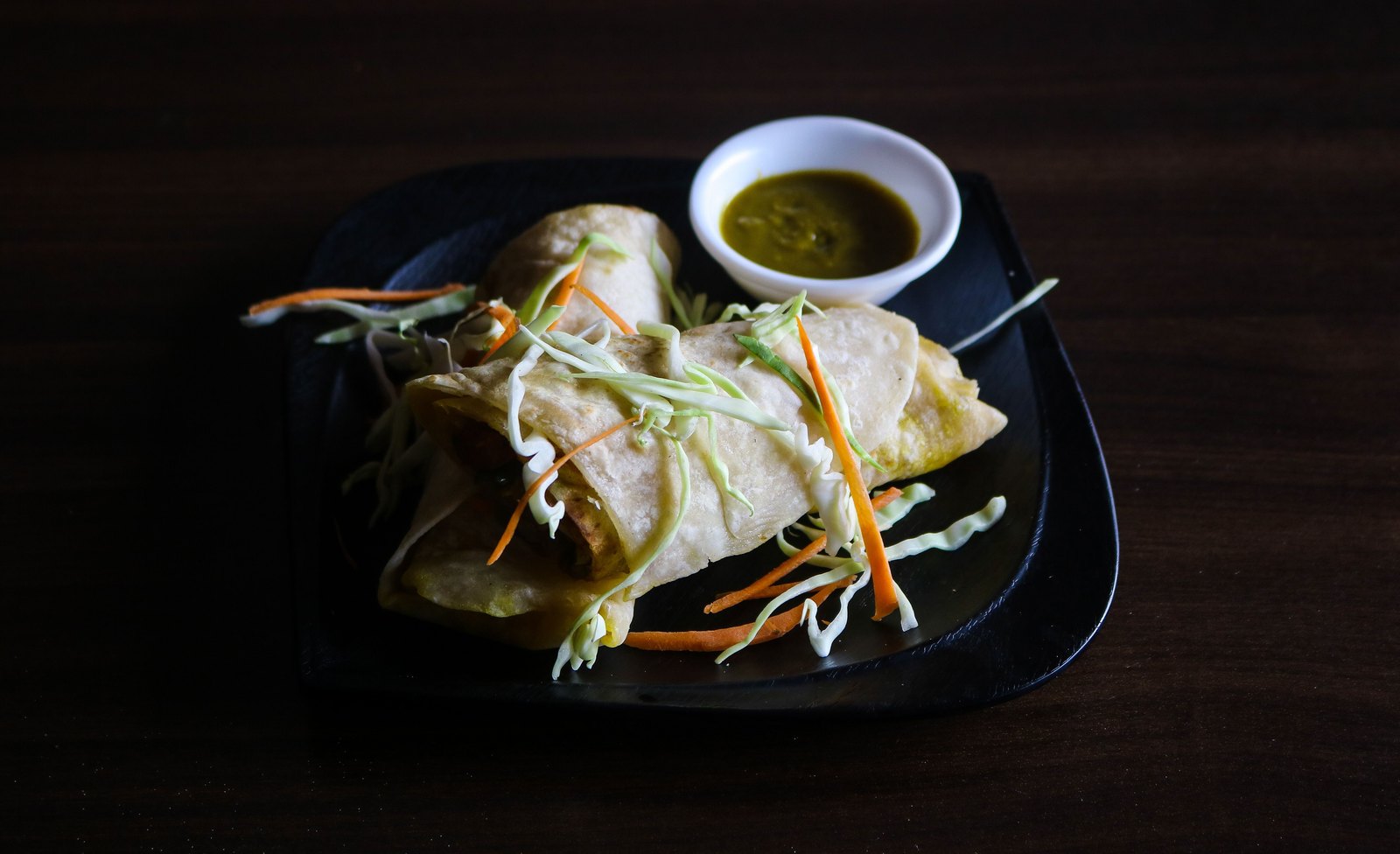
The commercial logic is straightforward: the export dossier is expensive per SKU, so it pays only when the order volume or margin justifies it. Many converters run a two-tier material policy, holding a domestic FSSAI-compliant grade for the home market and a separate export-grade, PFAS-free, mineral-oil-controlled paper for international orders, rather than trying to make one grade serve both.
Where Pakka fits this is narrow and specific: our food-grade paper for wrap and carry applications is specified for direct food contact with controlled Cobb and grease performance and water-based barrier options rather than fluorochemical coatings, which keeps the export door open. It will not be the cheapest grade for a converter serving only unaudited local outlets, and we say so plainly. Where the destination is organised QSR, packaged food, or export, that specification is the point.
Frequently asked questions
Are paper bags food-safe in India?
Only when the base paper meets IS 15495, the ink conforms to IS 15495 and stays off the food-contact surface, and migration testing confirms no harmful transfer. A plain or printed paper bag is not food-safe by default, and generic recycled kraft usually cannot be certified for direct food contact.
What is the FSSAI rule for printed paper food packaging?
The Food Safety and Standards (Packaging) Regulations, 2018 require that paper in direct food contact conform to IS 15495, that printing inks conform to IS 15495, and critically that inks not come into direct contact with the food. Printing on the food-contact face, or ink set-off onto it, fails the rule.
What Cobb value do food-grade paper bags need?
For oily or moist foods, converters generally target a Cobb value below 30–40 g/m² alongside a grease-resistance rating, so the bag does not suffer oil strike-through or wet-strength failure. Dry-food bags can run higher Cobb values. The exact target depends on the food’s fat content and serving temperature.
Can recycled kraft paper be used for food-grade bags?
Only tested recycled grades, and rarely for direct contact with fatty or moist food. Recovered fibre can carry mineral oil and other contaminants from its prior use, which is why food-grade work typically specifies virgin fibre or a barrier layer, and why export buyers screen for MOSH/MOAH.
What do export markets require for food-grade paper packaging?
Beyond FSSAI, EU buyers expect conformance to Regulation (EC) No 1935/2004 with BfR XXXVI as the paper benchmark and MOSH/MOAH data, while US buyers expect FDA 21 CFR 176.170/176.180 clearance. PFAS-free grease barriers are increasingly a hard requirement in both markets.
Last reviewed: July 2026
Sourcing food-grade paper for wrap and carry bags? Pakka’s food wrap and carry paper range is specified for direct food contact with controlled Cobb and grease performance and water-based barrier options; spec-sheet PDFs with the migration and food-contact data are available to download on that page. You can also review the food-grade brochure among the technical resources. Where a lower-cost non-food grade genuinely fits your order, we will tell you before you commit. For grade-to-application matching or an export-dossier discussion, contact our technical team.
Browse all Pakka articles.
You may also like